Jair Bolsonaro starts serving a 27-year sentence for attempted coup after Supreme Court rulings, family and lawyers contest detention and health claims
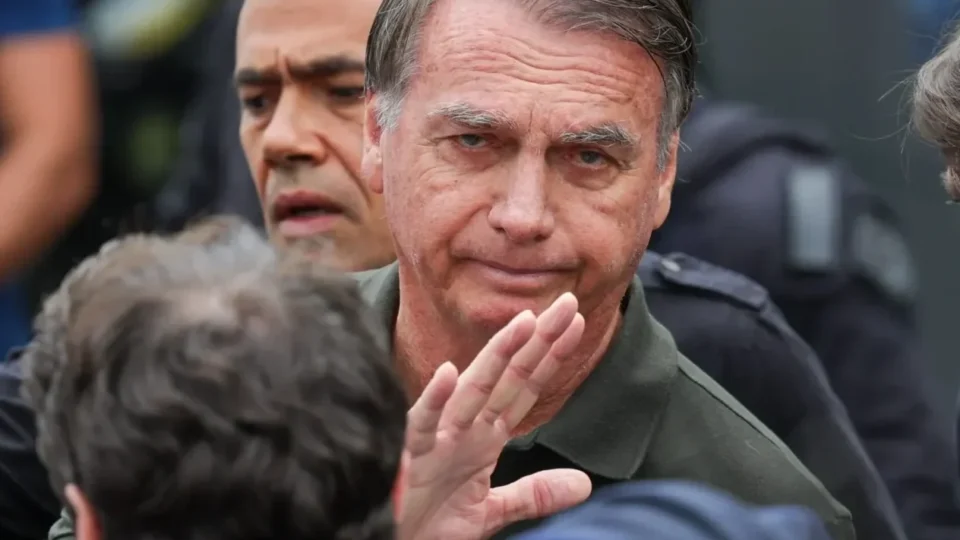
The former Brazilian president Jair Bolsonaro began serving a 27-year prison sentence on Tuesday, November 25, 2025, after the Supreme Court considered that his appeals were exhausted. The move follows a historic conviction for leading an alleged plot to overturn the 2022 election, a judgment that Bolsonaro’s defense continues to contest.
How the sentence was implemented
According to a judicial order issued by Justice Alexandre de Moraes, Jair Bolsonaro will remain in the federal police compound in Brasilia where he had been held since the weekend. The court imposed the measure after determining that legal remedies had run their course, a conclusion the defense has called surprising. Lawyer Paulo Cunha Bueno described the decision as “surprising“, and announced on the social network X that the defense would “present within the prescribed time the appeal it deems appropriate“.
Bolsonaro, 70 years old, is incarcerated in a small cell equipped with a climate control unit, a television, and a mini-refrigerator, which spares him the harsher conditions of a penitentiary like Papuda, also in the capital. Five of his former aides, including several generals and ex-ministers, also began serving sentences on the same day, receiving terms ranging from 19 to 26 years. The ex-head of intelligence, Alexandre Ramagem, condemned to 16 years, has been declared a “fugitive” after reportedly fleeing to the United States.
The charges and the Supreme Court ruling
In September, Brazil’s Supreme Court declared Jair Bolsonaro guilty of leading a “criminal organization” that conspired to secure his “authoritarian hold on power” after Luiz Inácio Lula da Silva won the October 2022 election. Prosecutors said the plot contemplated measures up to the assassination of President Lula, but it was not executed because it lacked support from the high military command.
The conviction and the 27-year sentence make Bolsonaro the fourth former president imprisoned since the end of the military dictatorship, following other high-profile cases in recent decades. The court rejected an initial appeal by Bolsonaro’s lawyers in mid-November, clearing the way for enforcement of the sentence.
Arrest, electronic bracelet incident, and health concerns
Bolsonaro had been under house arrest since early August, but was placed in pretrial detention on Saturday for what a magistrate described as a “high risk of flight“, after he attempted to burn his electronic ankle bracelet with a soldering iron. Authorities said a mass demonstration by his supporters near his home could have created an opportunity to flee toward one of the embassies close to his residence, including the U.S. chancery.
The defense explained the bracelet episode by citing a “state of mental confusion” brought on by medication, and Bolsonaro himself admitted to a moment of “paranoia” while denying any intent to flee. After visiting his father at the police compound, his eldest son, Senator Flavio Bolsonaro, said, “He is indignant (…) in the face of the persecution he is subject to. If something happens to him, we know who is responsible.” Another son, Carlos Bolsonaro, said his father is “psychologically devastated” and “eats little“.
The defense has argued that Bolsonaro, who still suffers severe aftereffects from a stabbing attack in 2018, cannot bear detention and has requested that he be allowed to serve his sentence under house arrest, citing his poor health.
Political fallout and what comes next
Bolsonaro’s incarceration leaves the political right without an obvious standard-bearer for the 2026 presidential race, while President Lula has already said he will seek a fourth term. The ex-president’s detention also adds to a recent string of high-profile cases that have rattled Brazil’s political elite. For context, Lula himself spent 580 days in detention in 2018-2019 on corruption charges, in conditions similar to those where Bolsonaro will serve his time, though Lula’s convictions were later annulled for procedural reasons.
With the Supreme Court declaring appeals exhausted, Bolsonaro’s legal team has signaled it will pursue whatever remedies remain possible. Meanwhile, the government and judicial authorities face the dual challenge of enforcing the sentence, while managing political tensions and public reaction across Brazil and internationally.
As the case progresses, key watch points include any new legal filings from Bolsonaro’s defense, the status of co-defendants and fugitives like Alexandre Ramagem, and the broader implications for Brazil’s 2026 election. For now, Jair Bolsonaro is serving a lengthy sentence under federal police custody, a turning point in Brazil’s contemporary political history.