US and Ukraine Forge a Unified Peace Framework, Awaiting Presidential Approval
In a significant development towards de-escalating the ongoing conflict in Ukraine, the United States and Ukraine have collaboratively drafted a 19-point peace plan. This comprehensive proposal, finalized after extensive negotiations, strategically leaves the most politically sensitive issues for a direct discussion and decision between Presidents Joe Biden and Volodymyr Zelensky. The agreement marks a crucial step, building upon previous discussions and incorporating Ukrainian concerns.
Key Provisions and Lingering Disagreements
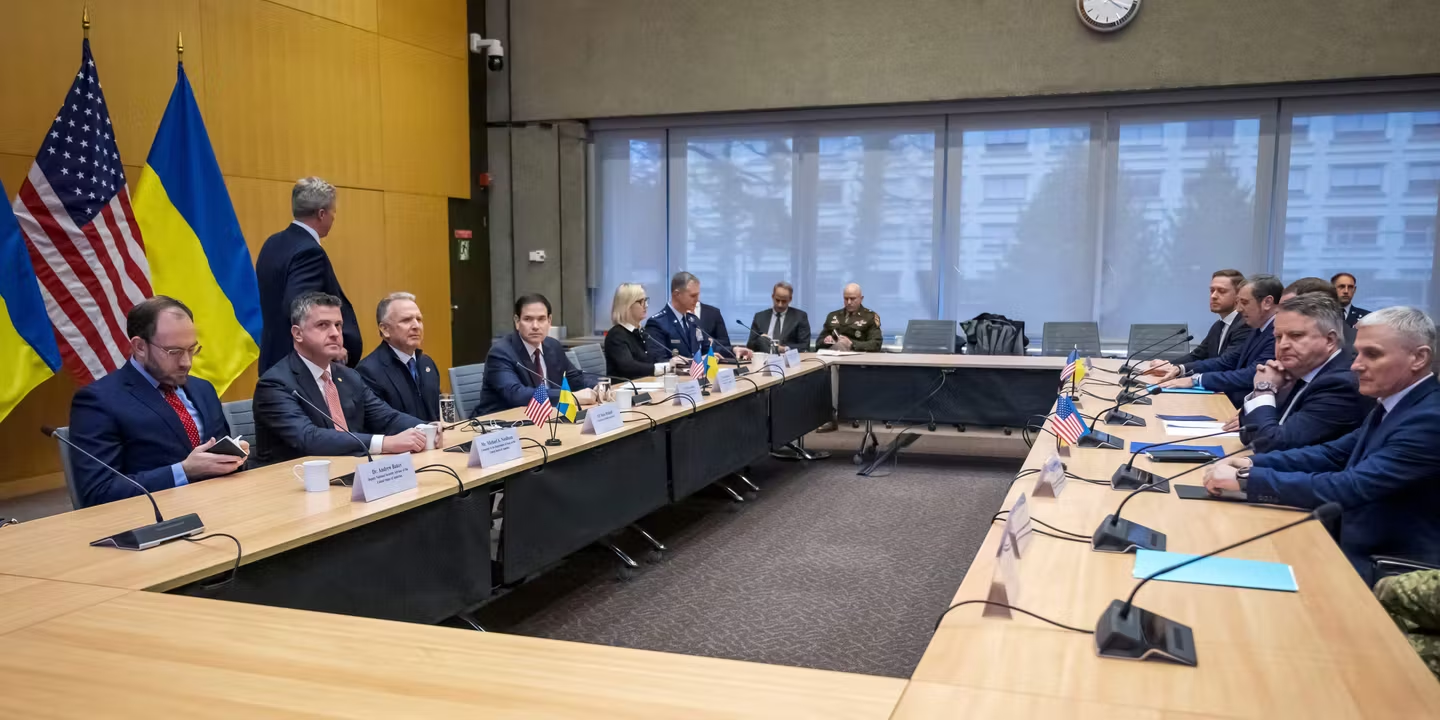
The newly updated framework, as reported by the Financial Times, represents a departure from the initial American proposal. Sources close to the negotiations indicate that many elements have been revised, with a focus on finding common ground. However, contentious points, particularly concerning territorial integrity and the future security architecture involving NATO, Russia, and the US, have been deliberately set aside for presidential deliberation. “There are very few elements left from the initial version,” stated Sergiy Kyslytsya, Ukraine’s First Deputy Foreign Minister, who participated in the Geneva talks. “We have developed a solid set of common points and some elements on which we can compromise. The rest will require decisions from the leaders.” This approach aims to ensure that the highest levels of leadership are directly involved in resolving the most challenging aspects of the conflict.
International Reactions and Diplomatic Momentum
The diplomatic push has garnered international attention and cautious optimism. Ukrainian foreign ministry spokesperson Heorhii Tykhyi expressed satisfaction with the American team’s receptiveness to Ukraine’s reservations, stating, “The American side takes them into account and understands them.” He further emphasized the importance of the US acknowledging and accepting Ukrainian positions. Meanwhile, the Kremlin, through President Vladimir Putin, has indicated that the American proposals, in their reviewed version, could serve as a basis for a definitive peaceful settlement. “The Russian side’s interest in a political and diplomatic resolution of the Ukrainian crisis has been confirmed once again,” a Kremlin statement read. European leaders have also weighed in, with European Council President Charles Michel hailing a “new momentum in peace negotiations.” However, the proposed European plan has been met with skepticism by Russia, with Kremlin advisor Yuri Ushakov calling it “counterproductive and not suitable for us.”
On-the-Ground Realities and Broader Geopolitical Landscape
While diplomatic efforts intensify, the situation on the ground remains dire. Reports indicate civilian casualties in the Kherson region due to Russian shelling, with three civilians killed and several others injured, including a 17-year-old victim of an anti-personnel mine. The possibility of Ukrainian President Volodymyr Zelensky visiting Washington D.C. is reportedly “under discussion,” though no date has been set. This visit, if it materializes, would be crucial for finalizing the peace plan. The ongoing conflict continues to impact global markets, with European oil and gas prices showing a downward trend amidst the peace talks, reflecting investor anticipation of a potential de-escalation. In Russia, a different narrative unfolds as artist Diana Loguinova, who was detained for performing pacifist songs, has been released and has left the country, highlighting the ongoing crackdown on dissent within Russia.
European Involvement and Future Steps
The involvement of European nations in the discussions with the American team is deemed crucial. “It is important that other Europeans are also involved in contacts with the American team,” a Ukrainian official stressed. “Ukraine’s future is in the European Union, and the common security issues of our peoples are being decided now.” The updated framework is seen as a significant step forward, and further discussions are anticipated to address the remaining sensitive points. The commitment to finding a peaceful resolution underscores the shared desire among many international actors to end the protracted conflict and restore stability to the region.