Israel launches air strikes on Gaza as Gaza authorities record ‘497 violations’ since the ceasefire, 24 killed Saturday, mediators face pressure
Israeli forces carried out a new wave of strikes across the Gaza Strip on Saturday, killing at least 24 people, including women and children, and wounding dozens, officials in Gaza said. The attacks included raids inside areas that the US-brokered truce had marked as under Israeli control, and they came as both sides traded accusations over ceasefire compliance.
What happened on Saturday
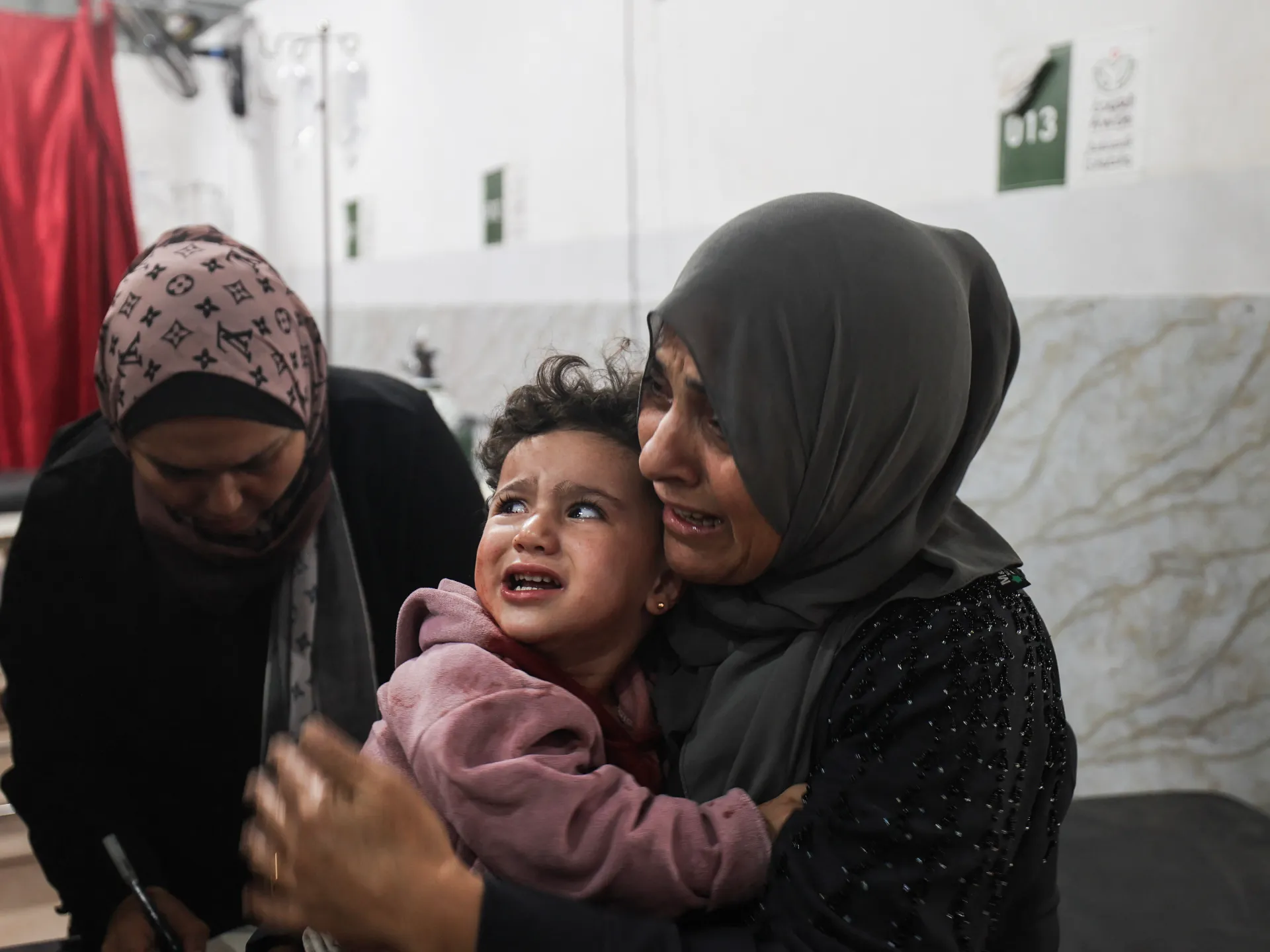
According to Gaza officials, the dead included civilians hit by a drone strike on a vehicle in Gaza City’s Remal neighbourhood, an attack that hospital staff said killed 11 people and wounded at least 20, the majority children. Another strike in Deir el-Balah killed three people, including a woman. Gaza’s Government Media Office said, “Among these violations, 27 occurred today, Saturday, resulting in 24 martyrs and 87 wounded,” describing the day as part of a pattern of ongoing truce breaches.
Israel’s military said its forces also operated in southern Gaza, including 10 air strikes on Khan Younis inside the ceasefire’s so-called “yellow line,” and that troops have detonated buildings east of Gaza City while pursuing alleged militants. The army said it had killed or captured fighters who attempted to flee underground tunnel networks near Rafah, saying, at one point, that “all 17 terrorists who attempted to flee the underground terror infrastructure in eastern Rafah were either eliminated or apprehended.”
Claims, counters, and casualty figures
There are competing tallies of the toll since the ceasefire began on October 10. Gaza authorities reported that a total of 497 violations have been recorded since the US-brokered agreement came into force six weeks ago, with nearly 350 Palestinians killed. In another account, Gaza officials said, “Israeli attacks on Gaza have resulted in the deaths of 342 civilians, the majority children, women, and the elderly, since the ceasefire came into effect on October 10.” The different figures reflect the difficulties of independently verifying casualties amid continuing restrictions and the damage to medical infrastructure.
Prime Minister Benjamin Netanyahu, responding to the strikes his military carried out, insisted Israel had acted within the truce framework. His office released a statement saying, “Israel has fully honored the ceasefire, Hamas has not.” The prime minister and the military said they had struck senior Hamas operatives after alleging an attempted attack near the “yellow line,” a claim that Israeli officials said justified targeted operations.
Gaza authorities and international law concerns
Gaza’s Government Media Office condemned Saturday’s killings, saying, “This confirms the occupation’s determination to undermine the agreement and create a bloody reality on the ground that threatens security and stability in the Gaza Strip,” and added that the pattern of attacks and demolitions amounts to collective punishment. The office also said, “These violations constitute a flagrant breach of international humanitarian law and the humanitarian protocol attached to the agreement.”
Beyond the strikes, Gaza authorities cited a catalogue of alleged abuses, including raids, artillery fire, demolitions, and repeated incursions targeting homes, displaced people’s tents, and civilian infrastructure. They reported that Israeli operations since the truce included 142 “shooting incidents” and 100 demolitions of homes and civilian infrastructure. For many Gaza residents, these actions have reinforced the sense that there is no safe space even under a formal ceasefire.
Wider violence across the West Bank and Lebanon
The day’s violence was not limited to Gaza. In the occupied West Bank, settlers attacked villages and farmers, leaving at least six Palestinians injured in one incident, while the Palestinian Authority’s Colonization and Wall Resistance Commission said Israeli forces and settlers carried out 2,350 attacks across the West Bank last month. The UN has warned that the West Bank faces a worsening security situation, with more than 200 Palestinians killed by Israeli forces so far this year.
Across the border in south Lebanon, an Israeli strike was blamed for the killing of a local municipal official, Hussein Yassine Hussein, in the border village of Hula. Municipalities in the area condemned the killing, saying it will only increase local resolve and suffering.
Why this matters now
The latest strikes and the competing casualty counts place new pressure on mediators and the US-led coordination mechanism that helped secure the ceasefire. Gaza officials have repeatedly appealed for third-party intervention, saying the truce is being eroded by daily violations. Israeli officials have responded that they are acting to remove security threats and to respond to alleged attacks across the lines.
For civilians caught between armed groups and military operations, the result is more displacement, disruption of aid, and shrinking pockets of relative safety. Hospital staff in Gaza said the majority of those wounded in the Gaza City vehicle strike were children, a detail that underlines why the violations reported by Gaza’s Government Media Office have drawn sharp international concern.
As mediators weigh their next steps, both sides remain entrenched in their narratives, with Israel insisting it has complied with the truce framework, while Gaza authorities and many international observers say the number and nature of violations show a systematic pattern that risks reigniting large-scale hostilities.
The situation remains fluid, and independent verification on the ground is limited. For readers following developments, officials on all sides, as well as hospitals and international agencies, continue to publish periodic updates, meaning the figures and claims cited here could change as new information emerges.