Trump Gives Ukraine Less Than a Week to Accept Controversial Peace Plan
President Donald Trump has reportedly issued an ultimatum to Ukraine, demanding that the nation accept his proposed plan to end the ongoing conflict within days. This move comes as Ukrainian President Volodymyr Zelensky described his country as facing “one of the most difficult moments” in its history, highlighting the immense pressure on Kyiv.
A Tight Deadline and a Contentious Proposal
In a radio interview with Fox News, Trump stated, “I’ve had a lot of deadlines, but if things are working well, you tend to extend the deadlines. But Thursday is it.” This firm deadline underscores the urgency with which the US President is pushing for a resolution. The plan, which has drawn significant international attention, is widely perceived as leaning heavily in favor of Russia’s long-standing demands.
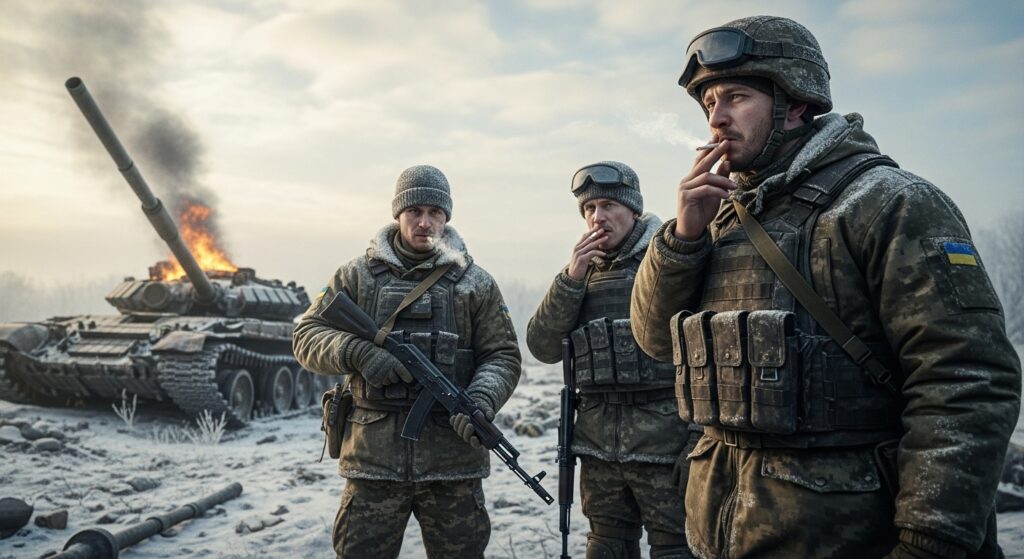
The 28-point proposal reportedly requires Ukraine to cede territory, limit the size of its military, and pledge not to join NATO. These are terms that Moscow has consistently advocated for since the full-scale invasion. Russian President Vladimir Putin has indicated that he received the US-proposed plan and believes it “could form the basis of a final peace settlement.” Putin also expressed readiness to “show the flexibility” agreed upon during a summit with Trump in Alaska, although he noted that Russia had not “substantively” discussed the deal with the US.
Zelensky’s Stark Warning and International Concerns
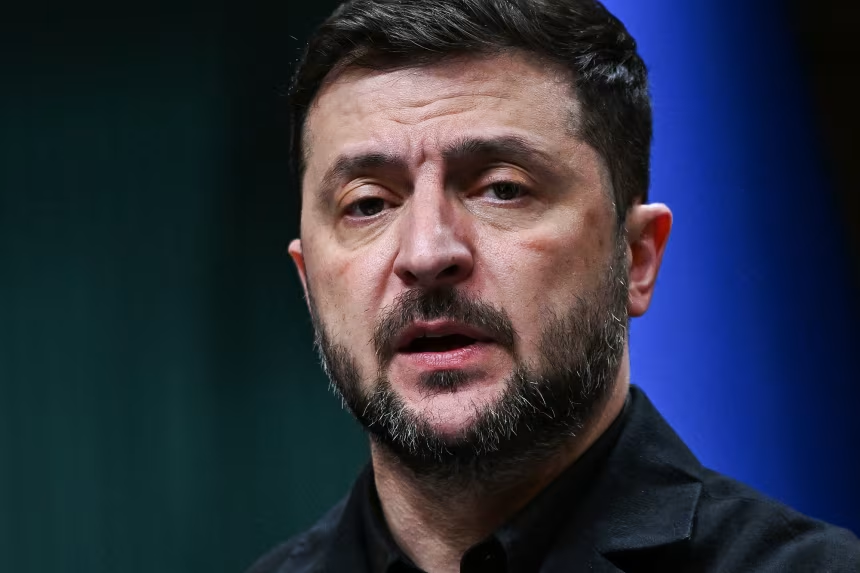
President Zelensky addressed the nation via video, conveying the gravity of the situation. He stated that the US plan for ending the war would force Ukraine into a position of losing its dignity or a key ally. He warned, “The pressure on Ukraine is now at its most intense. Ukraine may now face a very difficult choice: either the loss of dignity, or the risk of losing a key partner, or 28 difficult points, or an extremely harsh winter.”
Despite the pressure, Zelensky affirmed Ukraine’s commitment to working calmly and quickly with the US and its partners towards peace. He also mentioned speaking with US Vice President JD Vance about the plan. The Ukrainian president has been resolute, stating, “I will present arguments, I will persuade, I will offer alternatives, but we will definitely not give the enemy any reason to say that Ukraine does not want peace, that it is disrupting the process, and that Ukraine is not ready for diplomacy.”
European Allies Express Reservations
Several European leaders have voiced their support for Ukraine, emphasizing that no decisions regarding the country’s fate should be made without its direct involvement. German Chancellor Friedrich Merz, who discussed the US plan with Trump, stated, “We have agreed on the next steps at the advisers’ level. I will now brief the European partners.”
In a joint call with Zelensky, Merz, French President Emmanuel Macron, and British Prime Minister Keir Starmer “agreed to continue to pursue the goal of safeguarding vital European and Ukrainian interests in the long term.” Their stated objective includes ensuring that the current line of contact serves as the starting point for an understanding and that Ukrainian armed forces remain capable of defending the nation’s sovereignty, a stance that contrasts with the US proposal for Ukraine to withdraw from some territories.
European Commission President Ursula von der Leyen echoed these sentiments on X, stating, “there should be nothing about Ukraine without Ukraine.” European leaders are expected to discuss the proposal further on the margins of the G20 summit in Johannesburg.
Details of the Controversial 28-Point Plan
The 28-point plan, reportedly seen by CNN and confirmed by a US official, appears to grant significant concessions to Russia. Many of its points echo the maximalist positions held by Moscow during earlier negotiations, including in Istanbul in 2022. The plan outlines a halt to fighting, global funding for reconstruction, and a board overseen by the US president to monitor commitments.
Crucially, the draft plan includes the recognition of Russia-occupied Crimea, Luhansk, and Donetsk as “de facto Russian, including by the United States,” a major red line for Kyiv. It also calls for Ukrainian forces to withdraw from parts of eastern Donetsk currently under their control, creating a demilitarized buffer zone that would be internationally recognized as belonging to the Russian Federation.
Further stipulations include a commitment from Ukraine not to join NATO, a prohibition on NATO stationing troops in Ukraine, a limit on the size of the Ukrainian armed forces to 600,000 personnel, and a call for Ukrainian elections within 100 days, a logistical challenge given the current circumstances. The plan also suggests Russia’s return to the global economy, including the lifting of sanctions and an invitation to rejoin the G8.
In his Fox News interview, Trump expressed his belief that Putin is “not looking for more war” and is “taking punishment,” despite the plan’s apparent concessions to Russia. President Zelensky has vowed to work tirelessly to find a path forward, reiterating his commitment to peace while firmly stating that he will not betray his country.