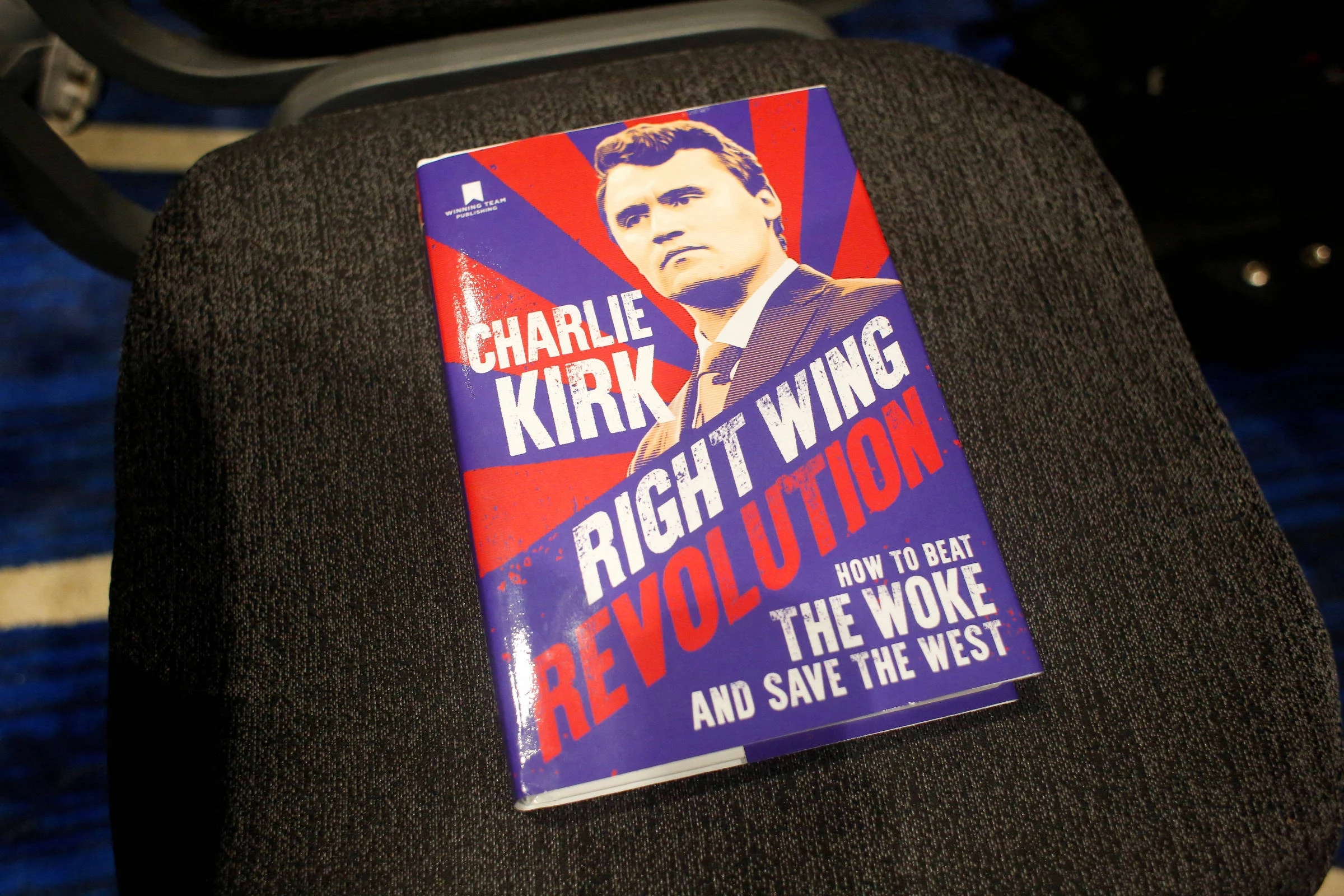
Investigation finds the pro-Trump purge targeted donors, activists, and critics, affecting at least 600 people across platforms and institutions
An investigation into actions that followed the death of conservative activist Charlie Kirk reveals a sweeping, coordinated effort described by critics as a pro-Trump purge, that punished at least 600 Americans. Sources and interviews indicate the campaign combined online pressure, legal threats, and institutional influence, with consequences ranging from account suspensions, to job losses, to targeted harassment.
What investigators say about the purge
Those examining the offensive say the pro-Trump purge unfolded quickly after Kirk’s death, as networks aligned with his political circle intensified efforts to silence critics, to punish perceived disloyalty, and to leverage influence over media outlets, platforms, and institutions. The broad figure of at least 600 Americans includes journalists, donors, nonprofit staff, and activists who, according to multiple sources, were publicly targeted, investigated, or otherwise penalized in the months following the event.
Investigators describe a mix of tactics, including coordinated online campaigns that flagged individuals to platform moderators, legal notices and threats designed to intimidate, and pressure on employers and donors to cut ties. While the exact makeup of the penalties varies, the pattern described by interviewees reflects a deliberate, multi-front approach consistent with what analysts call a politically motivated purge.
Evidence, limits, and the role of platforms
Public and private platform records, where available, show surges in reports and complaints against targeted accounts in the weeks after Kirk’s death. Platform moderation actions, including suspensions and content removals, accounted for a portion of the punishments counted in the investigation, though many consequences happened offline, through professional or legal pressure.
Observers caution that documenting every case is difficult, because some actions were informal, and because individuals sometimes do not publicly link job losses or threats to the campaign against them. Still, the investigation’s tally of at least 600 Americans is based on corroborated instances, and sources emphasize that the real number could be higher.

Voices from media and civil society
Journalists and advocacy groups warn that the campaign raises broader questions about free expression, accountability, and the responsibility of platforms and institutions to resist coercive pressure from political networks. One civil society representative summarized the concern, saying efforts to rout critics through a mix of online and offline tactics create a chilling effect, and can reshape what voices are heard in the public debate.
At the same time, media organizations face complex choices when confronted with political pressure, including weighing legal exposure, advertiser relationships, and the safety of staff. The investigation found instances where outlets declined to publish coverage, or where editors altered reporting, after facing persistent external pressure tied to the campaign.
Context from reporting outlets, and newsroom reach
Coverage and analysis of the purge appeared in outlets with wide readership and deep reporting capacity. One source described its own operation, noting, in translation, the scope of its newsroom, and its mission. The outlet stated, “More than 180 reports and analyses published every day.” It also emphasized staff size, saying, “A team with more than 200 columnists and bloggers.” Those descriptions reflect an institutional capacity to trace complex, cross-platform campaigns, and to pursue follow-up reporting on patterns of influence and retaliation.
Reporting teams with broad reach can assemble the mosaic of incidents needed to document a large-scale campaign, but journalists say transparency from platforms and institutions would make it easier to assess the full scope of the purge, and to protect vulnerable targets.
Implications for politics and policy
The revelations about the pro-Trump purge have immediate and long-term implications. In the short term, individuals who say they were targeted may pursue legal remedies, public recourse, or institutional protections. In the long term, the episode sharpens debate about the intersection of political activism, platform governance, and the use of informal pressure tactics to shape public discourse.
Lawmakers and regulators are likely to revisit questions about transparency in platform moderation, the legality of coordinated harassment campaigns, and safeguards for employees and donors who are targeted for their political views. Advocacy groups say stronger whistleblower protections, clearer moderation reporting, and independent oversight of platform decisions could help mitigate future purges, whether politically motivated or not.
As the investigation continues to surface new details, the central findings remain stark, and straightforward. Those documenting the fallout, and those affected, describe a concerted effort that used both digital tools and real-world pressure to punish critics, and to deter dissent. The term pro-Trump purge, while politically charged, captures both the scale and the intent described by sources, and the confirmed count of at least 600 Americans places the operation among the more consequential campaigns of coordinated political enforcement in recent years.
Follow-up reporting is expected to add names, documents, and platform records to the public record, and to clarify how widespread the campaign ultimately was. For now, the investigation highlights how political action, when channeled through networks with media muscle and legal firepower, can produce broad, tangible consequences for individuals across the country.