Police say scrapyards laundered money and funded barricades, DRF finds BRL 217 million tied to Cosme Rogério Ferreira Dias, mentor of barricades
A major law enforcement operation in Rio de Janeiro has targeted alleged financial networks of the Comando Vermelho, also known as CV, and a man identified by authorities as the so-called mentor of barricades. Investigators say the move strikes at the group’s funding and operational hubs, after financial probes showed sums far beyond what suspects declared.
What investigators uncovered
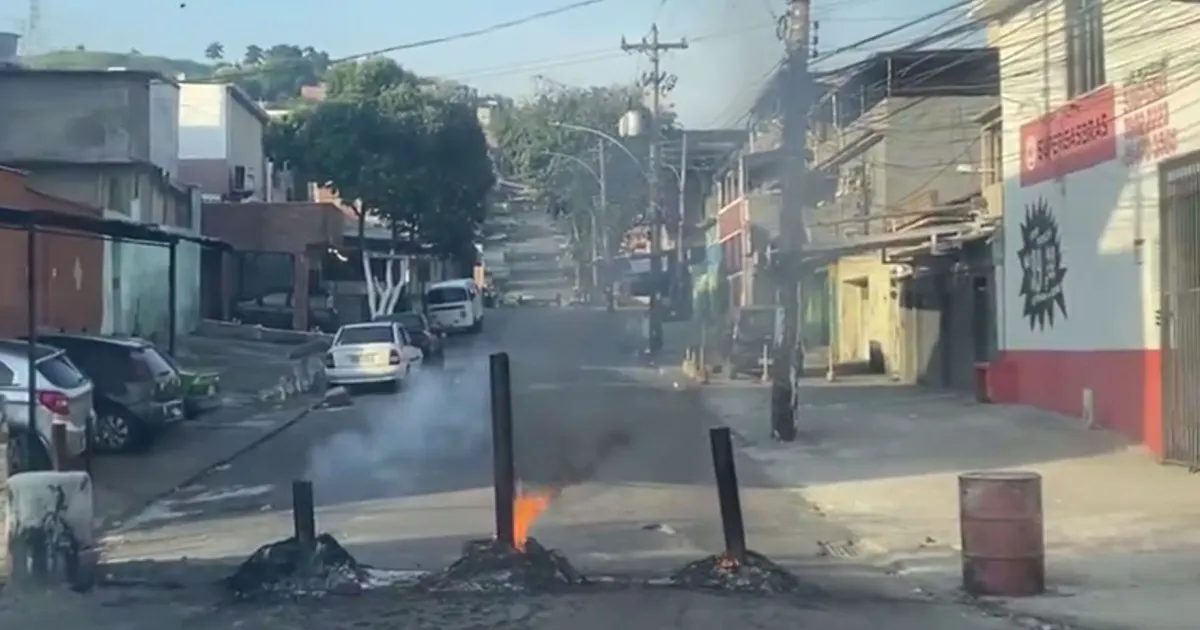
Police described a scheme centered on scrapyards that, according to investigators, served as both money laundering centers and operational support for the gang. In an official summary, authorities said, “The police were able to confirm that scrapyards linked to drug trafficking acted as nuclei of money laundering and operational support, being also fundamental to finance the installation and reconstruction of barricades, to fund armed surveillance activities and maintenance of drug dealing points, and to strengthen CV’s territorial control in communities in the North Zone, Baixada Fluminense and the Rio Metropolitan Region.”
That description, provided by law enforcement sources, links everyday businesses to organized crime activities, and frames how the group consolidated and enforced territorial control across multiple urban areas.
Financial evidence and enforcement measures
Financial analyses by the Federal Revenue’s Financial Analysis Division, the DRF, revealed a level of illicit transactions that investigators say confirms the scale of the operation. The DRF told authorities, “Financial analyses conducted by the DRF revealed illicit movement in excess of R$ 217 milhões, an amount incompatible with the activities declared by the investigated.” Those findings led to immediate judicial actions to block and seize assets.
Authorities say courts approved several measures, including the full freezing of funds and financial assets linked to the faction and its operators, the seizure of luxury properties, and the confiscation of vehicles tied to the group’s financial core. As the operation unfolded, officials reported the seizure of high-end homes in Recreio dos Bandeirantes, described as being used for asset shielding, and the seizure of high-end vehicles, along with the interdiction of eight scrapyards.
According to investigators, “Given the evidence, orders were represented and granted for the full blocking of funds and financial assets linked to the faction and its operators, seizure of luxury properties in Recreio dos Bandeirantes, used for asset shielding, seizure of high-end vehicles belonging to the financial core, interdiction of eight scrapyards and compulsory removal of partners and legal responsible persons.” These measures are intended to dismantle the economic backbone that sustained violence and territorial control.
Who is being targeted
The operation has focused on individuals and businesses believed to be part of the CV’s financial network, and publicly named one figure linked to the crackdown. Authorities identified Cosme Rogério Ferreira Dias in connection with the financial activities and the tactical guidance attributed to the role described as the mentor of barricades. Media outlets report attempts at contact with his legal defense, noting that “CNN Brasil is trying to contact the defense of Cosme Rogério Ferreira Dias.”
Law enforcement statements emphasize that removing the financing channels, including the interdiction of scrapyards and seizure of assets, aims to reduce the group’s capacity to erect and rebuild barricades, fund armed lookouts, and sustain points of drug sales that enforce territorial control.
Next steps and implications
Officials say frozen assets and seized properties will remain under judicial management while investigations continue. Authorities also signaled the possibility of further actions against other businesses and individuals identified in transaction analyses. The focus on the financial infrastructure reflects a broader strategy, as investigators work to connect money flows to violent practices on the ground.
The investigation underscores how criminal groups can repurpose legitimate businesses for money laundering and operational logistics, and how targeted financial probes, combined with asset seizures, are increasingly used to disrupt those networks. For now, police and financial authorities continue work to trace funds and secure judicial approvals for additional asset freezes, while public updates are expected as the case proceeds through the courts.