A System in Collapse
Beneath the veneer of law and order, Brazil’s prison system is a sprawling, decaying monument to state failure. Far beyond mere overcrowding, the nation’s correctional facilities are described by seasoned observers as a haunting battleground, teetering on the brink of moral and operational collapse. This is not a crisis of recent origin, but a deep-seated rot that has festered for years, creating conditions that are both inhumane and deeply dangerous.
The Overcrowded Coffin: A Human Crisis
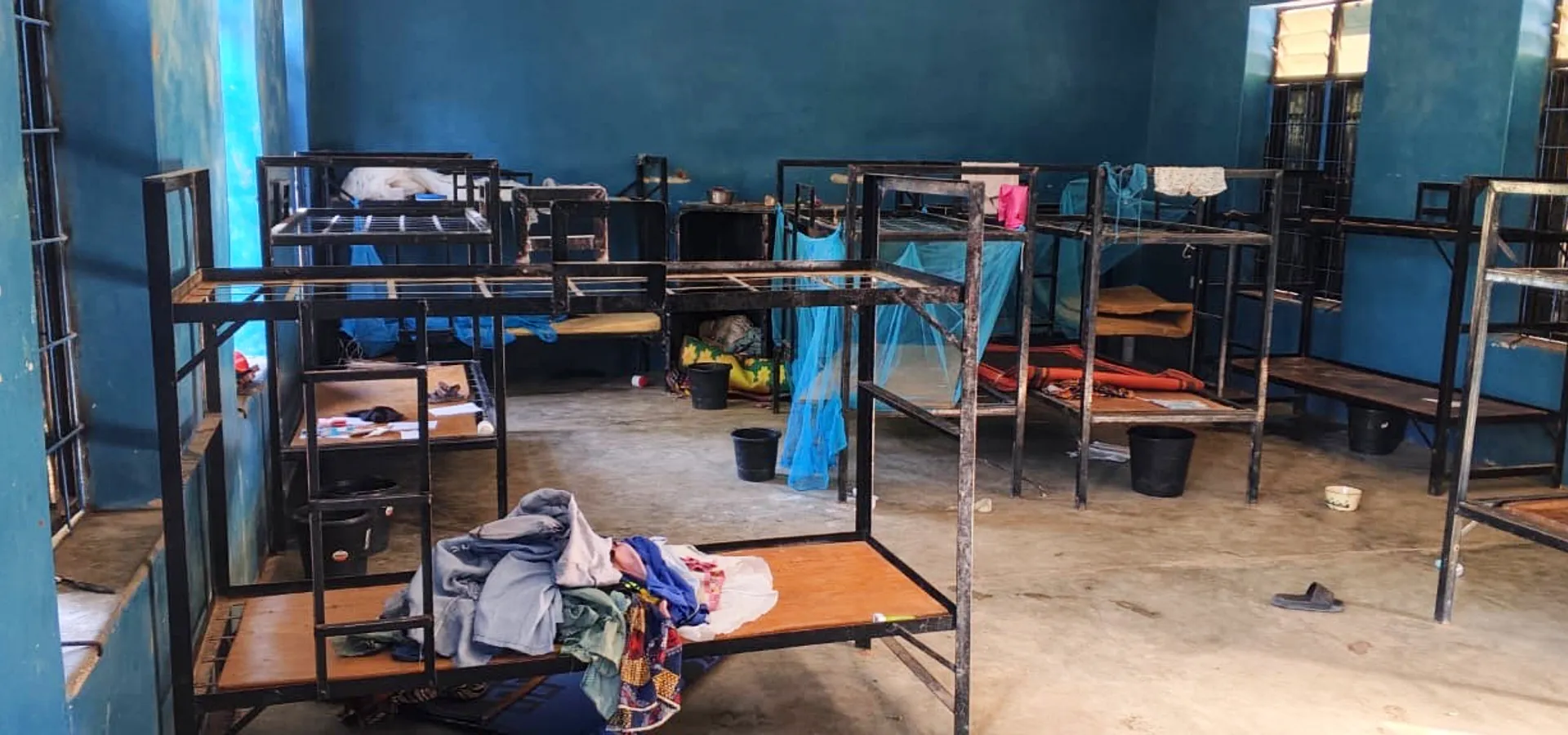
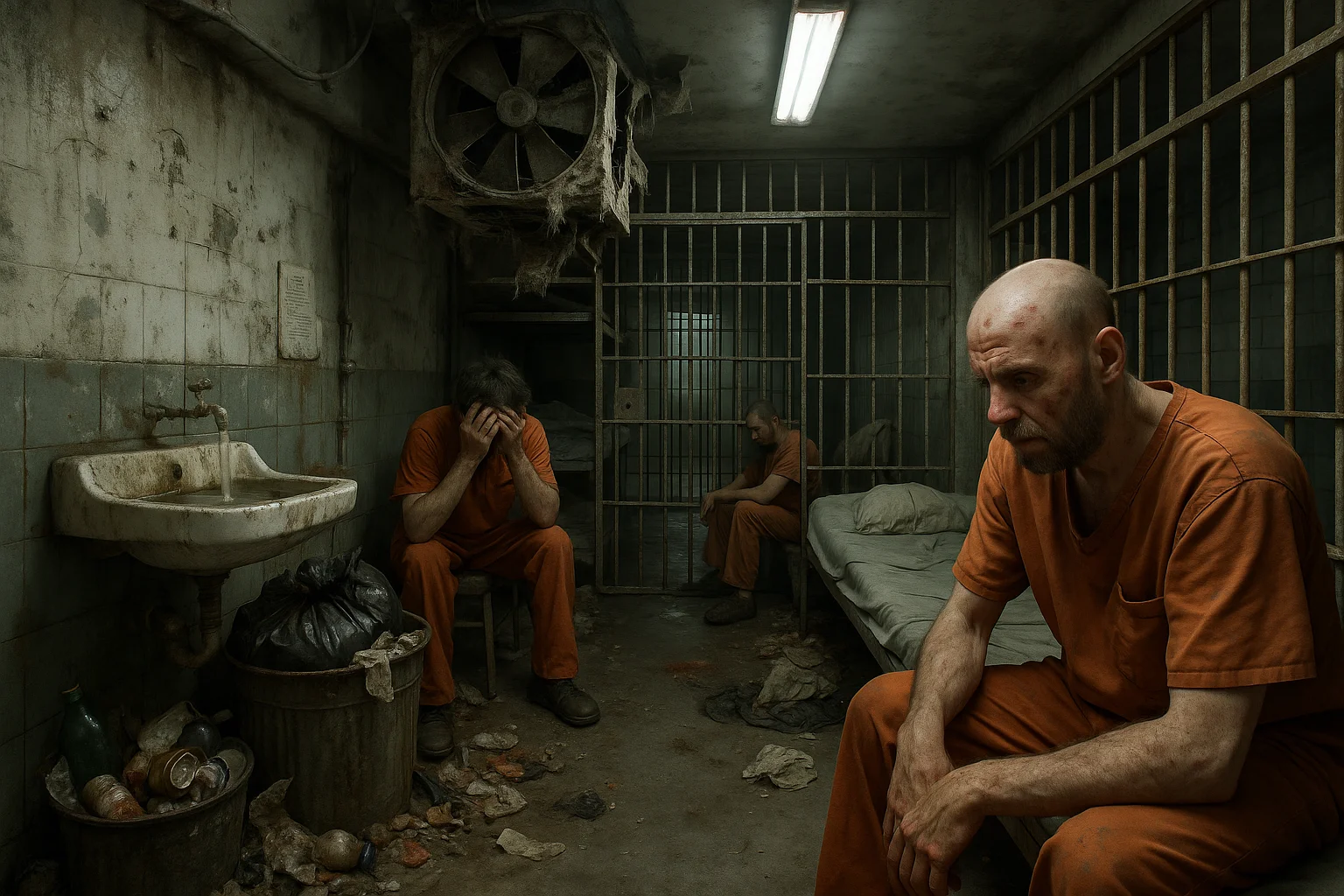
The sheer scale of Brazil’s incarcerated population is staggering. Exceeding 850,000 people, it ranks as the third-largest prison population globally. This immense number is compounded by a critical “vacancy deficit” of over 200,000, meaning prisons are holding far more individuals than they were designed for. Between 2023 and 2024, a stark reality emerged, with roughly one-third of cells rated in “bad” or “terrible” conditions. Imagine the suffocating heat, the pervasive stench, and the palpable tension as bodies are stacked, sleeping in hammocks or crammed onto concrete floors. Human Rights Watch (HRW) documented harrowing scenes, such as 37 men sharing a windowless cell with no beds in sight, a grim testament to the systemic neglect.
Disease Incarnate: A Public Health Catastrophe
Within these overcrowded confines, disease thrives. The breakdown of public health services in Brazilian prisons is described as horrifying. In the state of Pernambuco, a hotspot of this crisis, HRW found tuberculosis rates approaching 100 times that of the general population, and HIV prevalence was 42 times higher. Poor sanitation, nonexistent ventilation, and a desperate shortage of medical staff exacerbate the problem. One facility housing over 31,000 inmates had a mere 161 health professionals. This lack of resources translates directly into death sentences, with inmates arriving untested and illnesses spreading unchecked. The failure to escort inmates to hospitals due to insufficient guards is not just a logistical nightmare, but a profound moral failure.
Gang Lords Behind Bars: The Shadow State
When the state abdicates its authority, others inevitably fill the void. In many Brazilian prisons, guards have effectively handed over internal control to “keyholders”—inmates who govern cell blocks. These powerful prisoners manage drug networks, extort fellow inmates, and enforce their own brutal rules, sometimes with the complicity of guards who accept kickbacks. This de facto self-governance breeds extortion, forced labor, and rampant sexual violence, with many crimes going uninvestigated. The prison transforms into a dark fiefdom where violence is the currency, and the state’s authority is a distant, ignored whisper.
Legal Limbo and the Pretrial Trap
A particularly corrosive flaw in Brazil’s penitentiary system is the massive number of pretrial detainees. HRW reports that in some areas, as many as 59% of prisoners are awaiting trial, yet they are often housed alongside convicted criminals, a violation of both Brazilian and international law. The lack of timely custody hearings, where a judge determines the necessity of continued detention, leads to individuals languishing for months, even years, without a verdict. HRW documented cases of people spending six years in detention without a hearing, and others remaining incarcerated for a decade beyond their sentence due to judicial delays. This is not mere inefficiency, but a fundamental breach of justice.
A State of Things Unconstitutional: The Legal Reckoning
The Brazilian judiciary has acknowledged the severity of this crisis. In a significant legal challenge, Ação Direta de Inconstitucionalidade (ADI) 5170, the situation has been framed as a “state of things unconstitutional”—a systemic breakdown of legal and human rights protections. This claim highlights that overcrowding, lack of staff, torture, and neglect are not isolated incidents, but endemic features of the system. Reports from HRW and others call not for minor adjustments, but for a complete overhaul, demanding accountability, reparations, and institutional redesign. The roots of this crisis are deep, linked to punitive policies that incentivized incarceration without corresponding infrastructure development, creating a cycle of violence, disease, and control by non-state actors.
Transparency Broken: Data in Shadows
The persistence of this crisis in relative invisibility is partly due to a severe lack of transparency. Much of the prison system’s data is restricted or opaque, making external accountability exceedingly difficult. Studies have shown that even when government initiatives aim for open data, they often fail to meet essential criteria. Without accessible, reliable data, it becomes nearly impossible to monitor, reform, or challenge the system effectively. This shroud of secrecy allows the “Brazil’s Penitentiary Apocalypse” to continue unchecked.
The Moral Reckoning: Dignity and Reform
At its heart, the Brazilian prison crisis is a moral catastrophe. Lives are being destroyed, bodies broken, and dignity systematically denied. Human Rights Watch urges urgent reforms, including universal custody hearings, separation of pretrial detainees, comprehensive health coverage, and the dismantling of inmate-run hierarchies. The ADI 5170 case before Brazil’s Supreme Court poses a critical question: can a state that knowingly tolerates such conditions be held accountable? If justice is to mean anything, it must extend to the most vulnerable, especially those behind bars.
Fallout Reflections: A Photographer’s View
As an observer accustomed to conflict zones, the “Brazil’s Penitentiary Apocalypse” presents a unique and disturbing landscape. The state has erected massive fortresses but has failed to imbue them with care, oversight, or ethical purpose. These penitentiaries are crucibles where power is held not by law, but by those who control the keys, and life is measured by endurance against overcrowding, disease, and violence. Unlike a battlefield, there is no ceasefire here. The crisis is structural, embedded in legislation and policy. Unless Brazil confronts this reality with transparency, radical reforms, and a commitment to dignity, its prisons will continue to mold not just inmates, but the very soul of the nation.
Conclusion: Toward a Just Reckoning
The Brazilian penitentiary system stands as a ruinous testament to the failure of punishment as the sole instrument of social control. The “Brazil’s Penitentiary Apocalypse” is a stark reality, with overcrowding, disease, violence, and alternative power structures signaling a system in unraveling. However, glimmers of hope exist. The Observatório Nacional dos Direitos Humanos provides crucial data, legal actions like ADI 5170 challenge state accountability, and civil society organizations and researchers are sounding the alarm. The critical question remains: will Brazil answer this call for reform and rebuild its justice system, or will these prisons remain hollowed-out cathedrals of despair, perpetuating a cycle of suffering?