A clear, accessible review of The CIA Detention and Interrogation Program, the Senate findings, legal memos, black sites, and the human and institutional consequences
The post-9/11 push to prevent another catastrophic attack produced one of the most contested U.S. security efforts of the last two decades, The CIA Detention and Interrogation Program. Built amid fear and urgency, the program combined covert detention, controversial interrogation tactics, and legal workarounds that insulated actions from oversight. The result was a system that investigators, human rights groups, and scholars later judged as both brutal and ineffective, a conclusion summed up bluntly by the Senate: “The enhanced interrogation techniques were not effective.”

Origins, legal architecture, and the creation of black sites
In the immediate aftermath of September 11, 2001, U.S. intelligence leaders concluded that traditional interrogation methods were inadequate for suspected al-Qaeda operatives. The CIA turned to what it termed “enhanced interrogation techniques”, a phrase that would become central to the debate. Legal opinions from the Department of Justice’s Office of Legal Counsel provided the framework that allowed these techniques to be authorized. One key legal reinterpretation argued that torture required pain equivalent to “organ failure or death,” a standard that narrowed the legal definition of torture and opened the door to harsher methods.
Under that legal cover, the Agency developed a network of secret detention facilities, often referred to as black sites, hosted by allied governments in Eastern Europe, North Africa, and the Middle East. The CIA conducted interrogations away from public and judicial scrutiny, with detainees held in strict isolation and subject to a range of measures designed to break resistance.
What happened inside the facilities
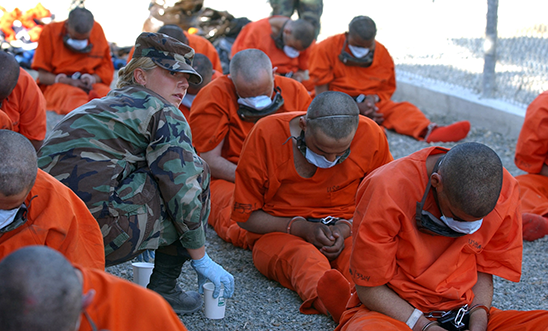
Investigations into these sites documented a pattern of deprivation and coercion. Techniques included prolonged sleep deprivation, sensory deprivation, forced stress positions, exposure to cold, dietary manipulation, and repeated waterboarding. The Senate Intelligence Committee described waterboarding as “a controlled drowning experience,” and reported that some detainees, such as Abu Zubaydah, were waterboarded dozens of times in a single month. In several cases, the report concluded that detainees were mistreated even after interrogators decided they had no actionable intelligence.
Psychological pressure was also applied via tactics adapted from U.S. military SERE training, originally designed to prepare American personnel to resist torture. Contractors and psychologists involved in adapting those methods for interrogation did so based on assumptions that later critics called pseudoscientific. The American Psychological Association faced internal and external scrutiny for ethical lapses tied to the program, prompting institutional reforms and public reckonings.

Effectiveness, evidence, and the Senate conclusion
The central and most persistent question about the program was whether coercive techniques produced unique, life-saving intelligence. The Senate report, along with human rights organizations like Human Rights Watch and Amnesty International, found that the program failed to generate reliable, unique intelligence. The Senate was explicit: “The enhanced interrogation techniques were not effective.” In many instances, information obtained under duress was fabricated, inconsistent, or already known through other intelligence channels, such as signals intercepts or standard interrogations.
The CIA defended aspects of the program for years, asserting that harsh methods disrupted plots and helped capture high-value targets. Yet no conclusive evidence has been produced to show that coercive techniques, as opposed to rapport-based interrogation or parallel intelligence operations, delivered decisive results.
Human cost, legal fallout, and the problem of accountability
The human consequences were severe. Detainees endured long-term psychological and physical harm, and some were held based on flawed intelligence or mistaken identity. The death of Gul Rahman, who died of hypothermia after being chained to a cold floor in a black site, remains one of the starkest and most widely cited tragedies tied to the program. Reports from medical and military journals documented the lasting trauma experienced by both detainees and personnel involved, including moral injury among interrogators.
From a legal perspective, the program was structured in ways that impeded accountability. OLC memos redefined legal boundaries, and contractor immunity provisions at overseas facilities reduced the risk of local prosecution. The CIA deliberately held many detainees outside U.S. territory to avoid constitutional protections, and intense secrecy hindered judicial review. Despite extensive documentation of abuses, prosecutions were rare, and many Department of Justice investigations were closed without charges, often citing evidence problems or classification constraints. A 2022 Human Rights Watch review concluded that the absence of accountability represented a lasting stain on the U.S. justice system.
The legacy extends into ongoing litigation and military detention policy. Many detainees were transferred to Guantánamo Bay, where defense attorneys and judges have repeatedly argued that prosecutions are tainted by evidence obtained under coercion. The program’s secrecy and the redaction of thousands of pages, even after the Senate’s public executive summary in 2014, left families, victims, and the public searching for fuller disclosure while intelligence officials warned of risks to operatives and missions.
Why this history still matters
The story of the CIA program matters because it highlights fundamental tensions democracies face when responding to existential threats. It raises core questions about executive power, the limits of secrecy, and the role of legal and ethical constraints in wartime. The program’s mixed record, and the Senate’s direct assessment that enhanced methods failed to deliver, shows how policies made in haste, without transparent oversight, can produce long-term institutional damage.
As policymakers debate new tools in counterterrorism, from targeted strikes to surveillance and cyber operations, the lessons of this episode remain relevant. The record compiled by congressional investigators, journalists, and human rights experts forms a consistent narrative: the combination of secrecy, legal reinterpretation, and coercive tactics produced severe human suffering, diplomatic cost, and questions about effectiveness that have not been fully resolved.
Whether the United States has fully learned from this chapter is uncertain, but the evidence assembled by the Senate and human rights organizations provides a clear, cautionary account. For readers seeking to understand the intersection of national security, law, and human rights, the history of The CIA Detention and Interrogation Program offers a stark lesson about the consequences of trading transparency and legal restraint for perceived short-term gains.