How the Tartaria myth grew from cartographic confusion into a global online movement, and why historians say the evidence does not add up
Tartaria has become one of the internet’s most persistent alternative-history stories, a theory that claims a vast, technologically advanced empire was erased from recorded history. Over the last decade, the idea moved from niche forums into viral videos, books, podcasts, and mapped mythologies. Proponents point to 18th and 19th century maps labeled “Tartary,” monumental architecture around the world, and alleged photographs of “sunken basements,” as proof of a global cover-up. Yet, when these claims are checked against historical records, archaeology, and architecture, they collapse under scrutiny.

The Core Claim and Why It Fails
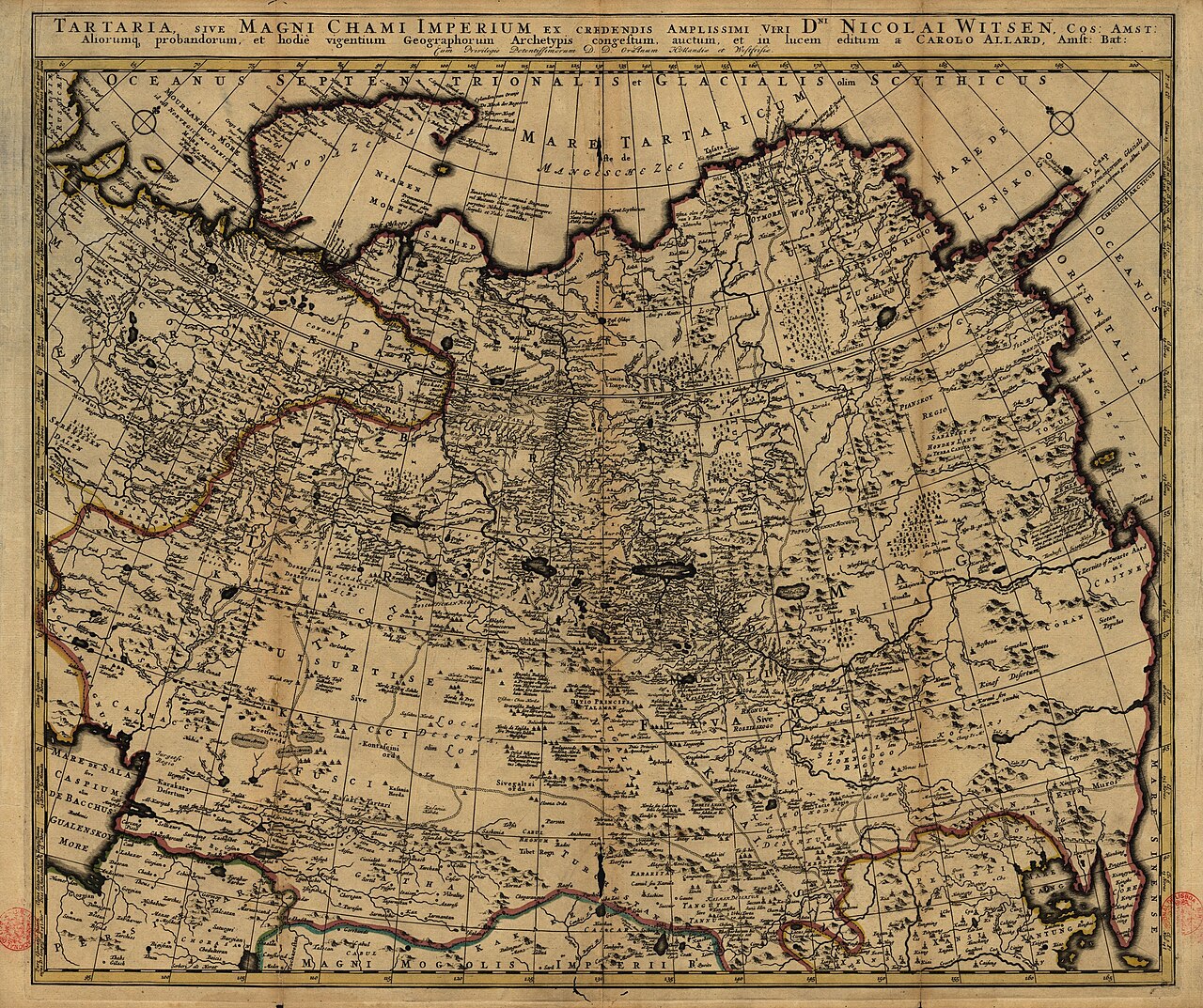
The core assertion of the movement is dramatic, that a global empire existed until the 19th century, and that its traces were buried by a worldwide “mud flood.” Supporters argue that maps naming large swathes of Eurasia “Tartary” prove a single, unified state, and that elaborate neoclassical and industrial-era buildings are relics of lost Tartarian engineering. They also insist that governments, academics, and cultural institutions conspired to erase the truth.
Experts disagree. Historians point out that the most cited maps do not document a single centralized power, but rather reflect European ignorance of vast, diverse lands. As multiple investigative reports and fact checks show, the documentary trail for these structures is robust, including architectural plans, construction logs, and procurement records that identify the real builders. Publications such as Discover Magazine and platforms including Factually.co have shown how the evidence touted by believers is either misread, taken out of context, or simply invented.
What “Tartary” Actually Meant
To make sense of the myth, it helps to return to the historical usage of the term, which was geographic, not political. European cartographers used “Tartary” as a catch-all label for vast, poorly understood regions of Central Asia, Siberia, and parts of Eastern Europe. The label covered many different peoples and polities, including Turkic, Mongolic, Tungusic, Slavic, and other groups.
As the investigative writer Lossi36 explains, “Tartary was a cartographic placeholder—an umbrella label reflecting ignorance, not empire.” That phrase captures why the maps fascinate modern readers, but also why they do not support the notion of a lost, unified civilization.
Maps that list “Great Tartary,” “Chinese Tartary,” or “Independent Tartary” are better read as signposts of European uncertainty, rather than evidence of a suppressed global state. Scholars and map historians point to the same archives that conspiracy theorists claim were destroyed, and those archives consistently show diversity of peoples and political structures across the labeled regions.
The “Mud Flood” Hypothesis and Architectural Misreads
One of the most visual elements of the Tartaria story is the so-called “mud flood,” a claim that an abrupt catastrophe buried whole cities and left buildings half-submerged. Proponents present images of partially buried windows, basement-level doors, and slanted ground features as physical proof.
Architectural historians and investigative pieces, including reporting in Discover Magazine, counter that many urban centers experienced gradual changes in street level, planned regrading projects, or design choices that created lower-level entrances for practical reasons. The claim that identical, synchronous mud layers appear worldwide is not supported by archaeological stratigraphy. Excavations in cities cited by believers show normal, continuous strata, not the signature of a single, global catastrophic sedimentation event. The Conspiracy Library notes the absence of archaeological layers corresponding to a sudden global mud event, further undermining the narrative.
In other cases, ornate buildings simply reflect the ambitions of their builders. European and American 19th century cities poured resources into monumental public architecture, expositions, and civic palaces. Those projects were recorded in ledgers, planning documents, and contemporary press reports, all of which remain accessible to historians.
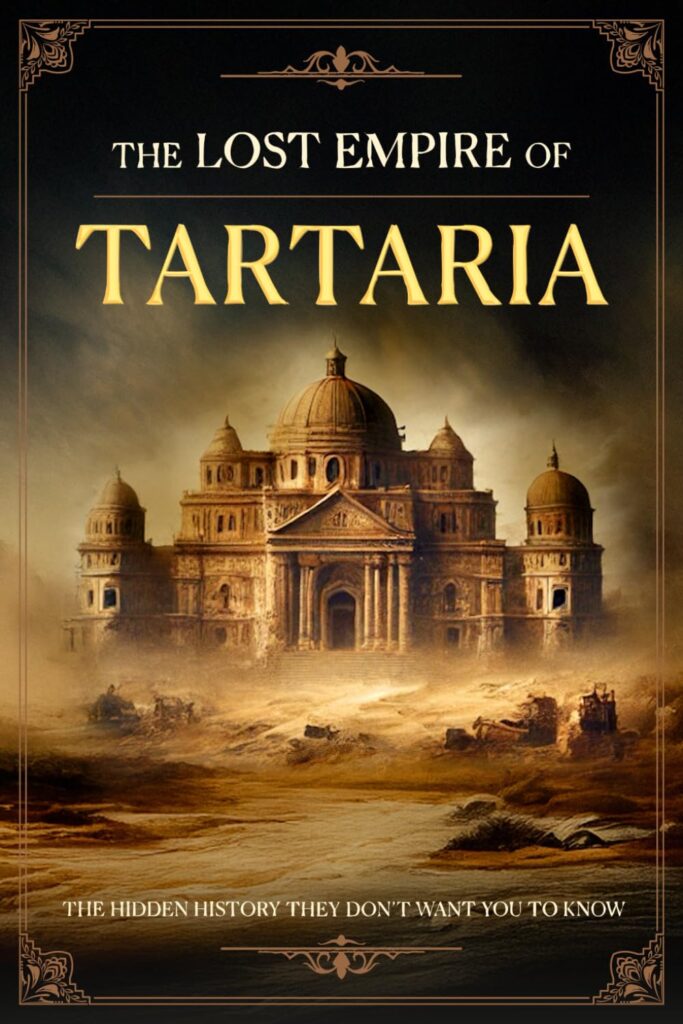
Digital Amplification, Pseudoscience, and the Role of Narrative
The modern Tartaria phenomenon would not exist without social media algorithms that reward striking visuals and sensational claims. Research summarized by Factually.co traces an early wave of contemporary Tartaria content to a 2013–2014 surge of YouTube videos that misinterpreted historical maps as proof of an erased empire. From there, platforms such as TikTok, Reddit, and Telegram accelerated the spread because dramatic images and short, declarative explanations perform well with audiences and recommendation systems.
Intellectual currents also fed the myth. Works like Anatoly Fomenko’s “New Chronology,” which argues that much of established history is fabricated, created an intellectual atmosphere in which more extreme revisionist claims can take root. Many proponents of the Tartaria theory do not cite Fomenko directly, yet they adopt similar premises, that written history is unreliable and that timelines have been distorted by elites.
Factually.co’s reporting highlights how these digital ecosystems allowed the myth to become both an aesthetic movement and a cognitive shortcut. As one summary in the archive puts it, platforms amplified images and simplified narratives, and that combination was powerful, because “its imagery is powerful, its explanations are simple, its mythos feels liberating.”
Why the Myth Persists Despite Clear Debunking
There are emotional and social reasons the story continues to attract adherents. Institutional distrust plays a major part. In an era of political polarization and frequent scandals, claims that experts and officials are hiding the truth resonate with people who feel alienated from traditional authorities.
At the same time, the sight of beautiful, elaborate architecture can create cognitive dissonance. Many viewers assume that modern societies could not build such grandeur, when the real explanation is cultural priorities and economics. As Discover Magazine notes, “We can build it—we simply choose not to.” That sentence explains why some prefer to imagine an erased civilization rather than accept shifting tastes and budgets.
Finally, myths satisfy a human appetite for epic narratives. A story of a hidden empire, dramatic catastrophe, and a battle between truth seekers and villainous institutions provides meaning and excitement in ways that dry academic accounts often do not.
Debunking, and a Call to Appreciate Real History
Professional historians, archaeologists, and geographers who have studied the claims are unanimous that Tartaria is a modern invention born of misread evidence. Discover Magazine lays out the documentary records contradicting the theory, Lossi36 clarifies the etymology and cartographic usage of the term, The Conspiracy Library and other fact-checkers point to the lack of archaeological signatures for a global mud flood, and EPFL’s GraphSearch work illustrates how the conspiracy’s ideas interconnect and spread online.
That said, the real histories of the peoples who once lived in lands labeled “Tartary” are rich and fascinating. Tatars, Mongols, Kazakhs, Uzbeks, Buryats, and other groups created vast trade networks, built cities such as Samarkand and Bukhara, and shaped empires across Eurasia. These documented stories of cultural complexity and historical achievement are no less awe-inspiring than invented legends.
Understanding why the Tartaria myth spread is useful, because it shows how misinformation combines visual appeal, algorithmic momentum, and emotional resonance. It also highlights a simple truth, that careful archival work, accessible historical explanation, and clear archaeological evidence remain the best tools we have for separating fact from fiction.
In the end, the persistence of the myth is a reminder that in the digital age, narratives that feel right to a community can outpace facts, unless historians, educators, and journalists keep presenting clear, compelling accounts of the past, and continue to make real history feel as vivid and meaningful as any invented empire.