The Congo Crisis Reignited, explained: roots of M23, Rwanda’s role, mineral stakes, and the unfolding humanitarian emergency
The eastern Democratic Republic of Congo has again become the focus of one of the world’s most violent and complex conflicts. In 2025, fresh offensives by the March 23 Movement, known as M23, escalated a long-running crisis into a wide-reaching emergency that mixes local ethnic tensions, weak state institutions, and regional power plays. Readers need clear context to understand why this violence keeps returning, and what it means for civilians, neighbors, and global supply chains.

From genocide’s fallout to decades of proxy wars
The roots of today’s violence trace back to the 1994 Rwandan Genocide, when extremist Hutu militias, including elements of the Interahamwe, fled into eastern Congo. Rwanda’s new government saw those forces as an existential threat, and regional interventions snowballed into the First and Second Congo Wars, drawing in multiple states and more than 30 militias. The result was a fractured region where armed groups entrenched themselves, and the Congolese state never regained full control of its east.
Over time the patchwork of actors hardened into persistent armed networks, from the Rwandan Hutu rebels (FDLR), to local Mai-Mai groups, to foreign-backed factions. In this environment, M23 first emerged in 2012, claiming the DRC had not honored a 2009 peace commitment. The group is largely composed of fighters from Tutsi communities who argued they were defending civilians they saw as threatened by rival militias.
The new M23 offensive and battlefield dynamics
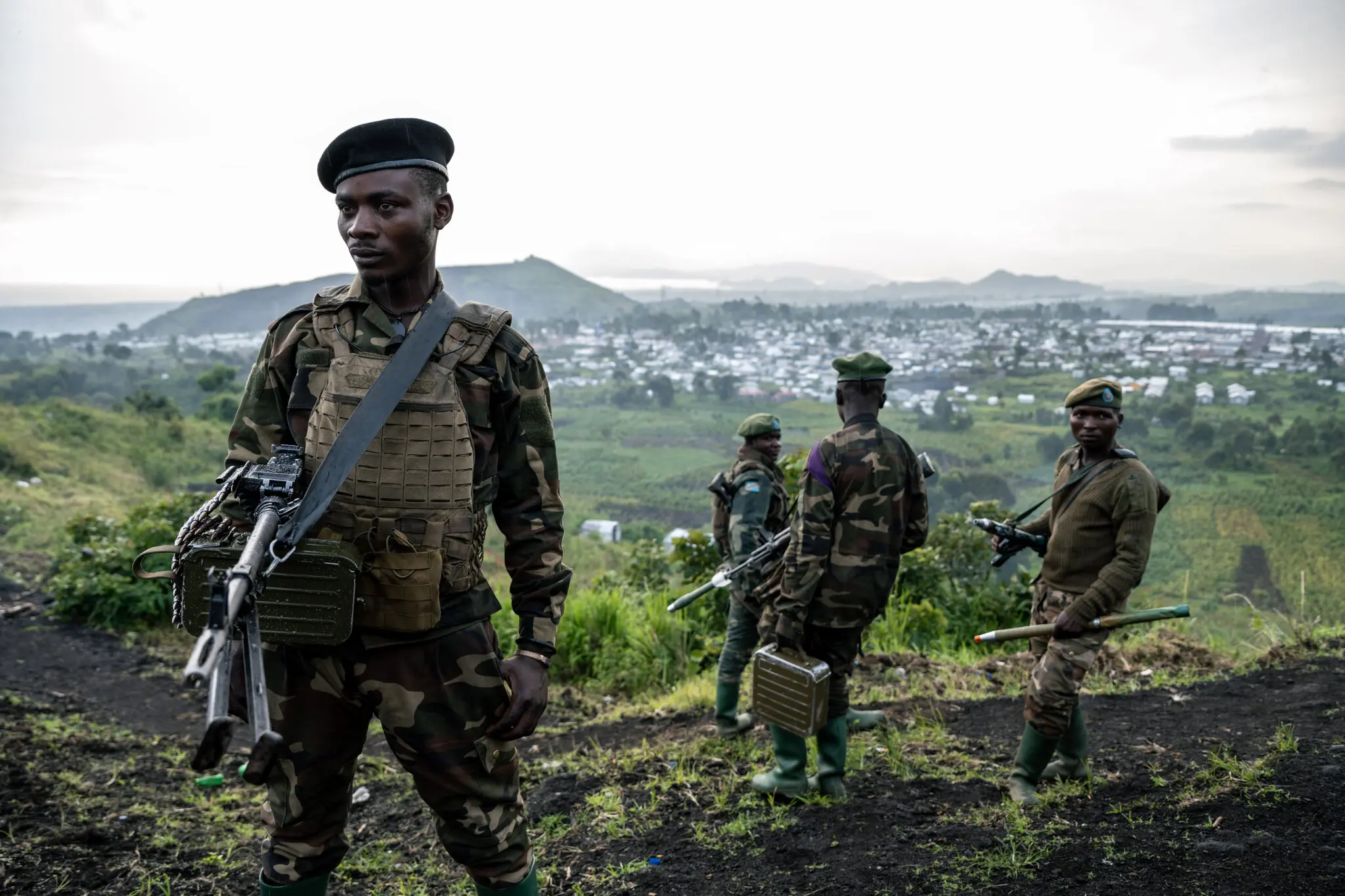
After a period of dormancy, M23 re-emerged with greater capacity. By 2024 and into 2025 the movement launched rapid offensives that exposed the weaknesses of the Congolese army, known as FARDC. International observers and independent reports documented that M23 had made major territorial gains and seized urban centers and transport hubs, while using modern tactics including coordinated infantry maneuvers and drones.
As the offensive unfolded, the humanitarian toll intensified. The crisis has generated staggering numbers, and those figures have been highlighted by international briefings. In the words of UN reporting, “Over 7,000 civilians killed in early 2025 alone, according to UN briefings.” The same briefings cautioned that there are now “More than 7 million displaced persons, the largest internally displaced population in Africa.” Those lines capture the scale of loss and displacement sweeping across towns and countryside.
Rwanda, denials, and the strategic puzzle
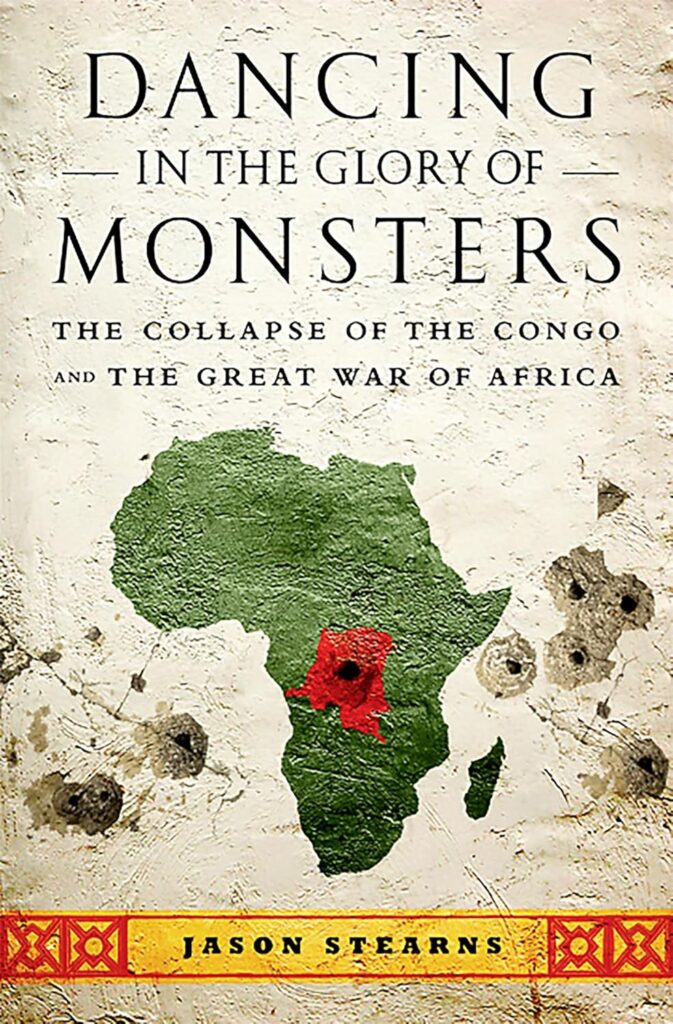
Rwanda denies backing M23, but numerous UN reports, journalists, and intelligence assessments have pointed to Rwandan military involvement. Analysts identify several motives for Kigali’s alleged support. Some officials in Rwanda frame intervention as a security necessity to neutralize the FDLR, a group that contains individuals linked to the 1994 genocide. Others point to economic incentives, because eastern Congo is rich in minerals like cobalt and coltan, which are essential for batteries, electronics, and renewable technologies.
Supporters of the Rwandan position also argue that Rwanda seeks buffer zones to protect Tutsi communities near the border, and to secure broader influence in the Great Lakes region. Critics counter that any foreign military role deepens Congo’s fragmentation, and that illicit mineral flows incentivize continued violence. The result is a region where military, economic, and political objectives overlap, creating fertile ground for proxy dynamics.
Humanitarian collapse and the mineral economy
The human cost of the conflict has been catastrophic, with civilian populations bearing the brunt. Massacres, sexual violence used as a weapon of war, child recruitment, and food insecurity are widespread. Humanitarian agencies warn of a looming mega-emergency that existing relief systems cannot handle.
At the same time, control over mineral-rich territories fuels the war economy. Cobalt, coltan, gold, and tungsten from eastern Congo feed global tech supply chains. Armed groups and corrupt actors profit from illegal mining, while complex trade routes allow minerals to leave the country and enter international markets. Until those supply chains are transparent and regulated, the economic incentives that sustain violence will remain strong.
State weakness, international response, and likely futures
The Congolese state remains fragile in the east. FARDC suffers from fragmentation, low pay, and corruption. Terrain advantages favor guerrilla tactics, and long-standing ethnic divisions produce cycles of reprisal. International responses have been mixed. MONUSCO, the UN peacekeeping mission, has been criticized as ineffective. The Security Council has issued demands, and some Western governments have imposed sanctions targeting rebel leaders and Rwandan officials. Regional diplomacy, including mediation attempts by Angola and the African Union, has so far failed to halt the fighting.
Looking ahead, analysts outline several scenarios. A full-scale regional escalation involving multiple states would be devastating but remains a credible risk if cross-border involvement grows. A negotiated settlement under intense international pressure could freeze hostilities, but past agreements have often collapsed. The most likely path is a protracted, low-intensity but expanding war, where M23 holds territory intermittently, FARDC mounts sporadic counterattacks, and civilians continue to suffer. That trajectory would leave eastern Congo as a persistent security and humanitarian crisis, while sustaining illicit mineral economies that benefit armed actors.
To change that trajectory, the international community must combine pressure on external actors, meaningful security sector reform in Kinshasa, and strong measures to regulate mineral supply chains. Without coordinated, sustained action, the pattern of violence that defines the region is likely to continue.
The unfolding stage of this conflict is a reminder that local grievances, post-genocide legacies, regional rivalries, and global demand for critical minerals can combine into a crisis of international significance. For civilians trapped in eastern Congo, the priorities are clear: protection, humanitarian access, and a political settlement that addresses both security and economic drivers of the war. For the rest of the world, the question is whether international institutions and governments will act with the urgency this crisis demands.