Occupied Ground explained, from strategy and human cost to legal limits, occupations tactics, and four likely scenarios for the territories Russia controls
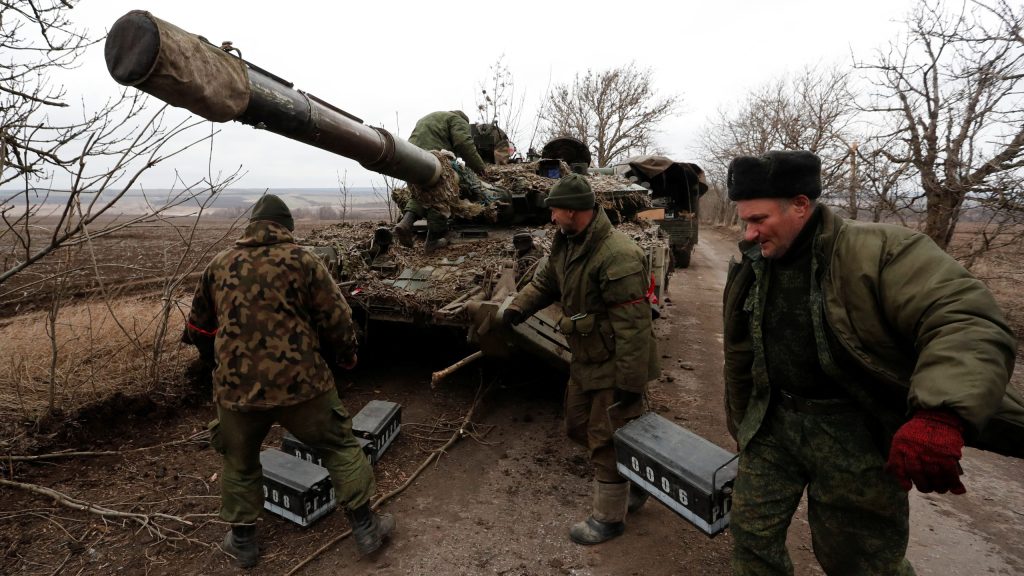
Since February 2022, the map of eastern Europe has been reshaped by sustained fighting and occupation. As the source analysis notes, “Since Russia’s full-scale invasion of Ukraine in February 2022, Moscow has consolidated control over large swaths of Ukrainian territory,” and those lands form the core of Moscow’s strategic aims. Understanding the reality on the ground requires looking at the history of each region, how occupation is being enforced, why these places matter to Russia, and what plausible outcomes lie ahead.

Short histories of the occupied lands
Crimea has been central to Russo-Ukrainian conflict since Moscow annexed it in 2014. The peninsula is a Black Sea hub that hosts the Russian Black Sea Fleet in Sevastopol, it provides warm-water port access, and it anchors Russian influence toward southern Europe. Russia’s narratives about history and the region’s largely Russian-speaking population were used to justify the 2014 takeover, and that move set a precedent for later advances.
Donetsk and Luhansk, collectively the Donbas, have been contested since 2014, when Moscow-backed separatists declared “people’s republics.” These industrial, coal-rich areas were heavily Russified during the Soviet era, and they contain important infrastructure. For Moscow, control of the Donbas helps secure a land corridor to Crimea and a buffer along Russia’s border.
Kherson and Zaporizhzhia are prized less for historical symbolism than for geography and resources. Control of the lower Dnipro, river mouths, port access to the Sea of Azov, agricultural land, and energy infrastructure gives any occupier economic leverage and a contiguous southern front that links Crimea to the east.
The anatomy of occupation: administration, repression, and daily life
Occupation has been a mix of military control and attempts at institutional integration. Across the occupied zones, Moscow has set up occupation administrations, inserted Russian currency and legal codes, changed schooling, and pushed a policy of “passportization,” offering Russian citizenship to residents. These steps are aimed at normalizing Russian rule, but they come with coercion.
Human rights organizations and monitors have documented widespread violations. As the source lists, groups such as OHCHR, the Council of Europe, Human Rights Watch, and Amnesty International report patterns that include arbitrary detention, torture, forced deportations of civilians including children, censorship, and efforts to Russify education and media. These actions deepen local grievance, and they complicate any future reconciliation.
Life under occupation is uneven. In some cities local administrators work to keep services running and present a veneer of normality. In frontline towns, daily life is dominated by shelling, insecurity, shortages, and lingering dangers like landmines and demolished infrastructure. International monitors continue to document abuses and call for accountability, while humanitarian needs grow.
Why Moscow prizes these territories
Russia’s motives combine strategy, economics, and identity politics. Strategically, holding Crimea plus contiguous southern and eastern territories creates a continuous corridor from Russia’s borders to the Black Sea and the Sea of Azov, it secures naval access, and it complicates Ukrainian steps to reclaim maritime and river routes. Economically, the Donbas and southern regions, even when degraded by war, remain assets in terms of industry, ports, and agriculture, and they offer leverage in negotiations. Politically, the Kremlin’s narrative of protecting Russian speakers, and opposition to NATO expansion, resonates at home and helps frame territorial control as national policy.
These factors make the occupied lands not only military objectives, but also symbolic prizes. The Kremlin treats places like Crimea and the Donbas as repositories of memory and identity, which raises the political cost of any withdrawal.
Four plausible scenarios for the near and medium term
Analysts generally see four broad outcomes that could shape the coming years. First, a frozen occupation where Russia consolidates the territory it holds and fortifies defensive lines. This outcome would mean prolonged, low-intensity conflict, entrenched occupation administrations, and slow Russification, even as most of the world continues to refuse legal recognition.
Second, a negotiated settlement that formalizes territorial adjustments in exchange for security guarantees, phased troop withdrawals, or autonomy arrangements. Such a deal would be politically fraught for Kyiv and for Moscow, it would raise hard legal questions about sovereignty and reparations, and analysts warn that rewarding territorial gains could create dangerous precedents for international order.
Third, a Ukrainian reconquest if Kyiv regains enough combat power and Western support increases materially. Military gains are possible in localized counteroffensives, but full reconquest of all occupied zones would be costly and complex, and it would leave hard questions about security, reprisals, and reconstruction in liberated areas.
Fourth, continued attrition and instability, where fighting grinds on with shifting frontlines, local offensives and counteroffensives, and no decisive outcome for years. This path would prolong humanitarian crises, damage infrastructure, and maintain fragile governance in contested zones.
What durable peace would require
Any lasting resolution, whether negotiated or enforced, will need several difficult building blocks. Credible security guarantees are essential, because territorial revisionism thrives when states feel exposed. Robust accountability mechanisms and legal processes for war crimes must be in place, to address abuses documented by rights groups. Clear demarcation and governance arrangements will be needed for contested zones, alongside international monitoring and verification. Finally, a major reconstruction effort will be required to rebuild infrastructure, restore services, and enable social healing.
Without these measures, occupation risks turning into frozen partition, with long-term cycles of resentment. Trust-building, protection for minority rights, and inclusion in postconflict institutions will be necessary to prevent renewed violence.
Occupied Ground is more than a description of territory, it is a snapshot of competing strategies, human suffering, and geopolitics. The international legal system continues to treat these lands as Ukrainian, and human rights organizations continue to document abuses that delegitimize occupation. Yet law and reports alone do not change reality on the ground. The future of these territories will depend on military developments, the resilience and choices of Ukrainian society, the coherence of Western policy, and whether diplomacy can bridge security needs with accountability and reconstruction. For civilians living under occupation, survival remains the pressing daily reality, as displacement, repression, and uncertainty continue along these European fault lines.
Sources cited in this analysis include international human rights groups and monitoring bodies, contemporary reporting, and the original analysis provided for this piece.