The Human Exodus from Ukraine: Millions Flee War, Facing Deep Social and Emotional Scars
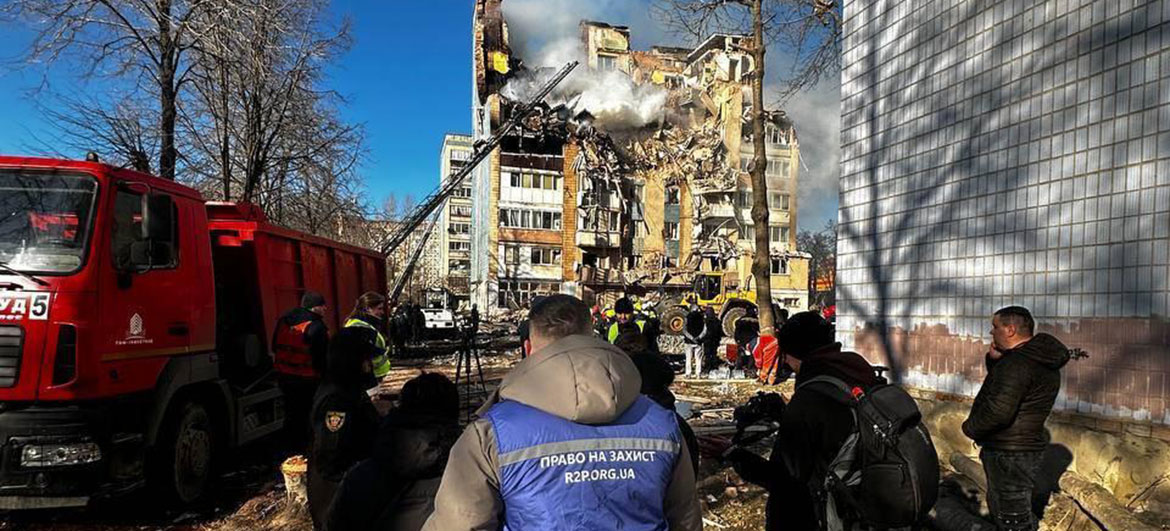
The full-scale invasion of Ukraine by Russia has triggered a **human exodus** of staggering proportions, marking one of the largest displacements in recent history. Millions of Ukrainians, predominantly women, children, and the elderly, have been forced to abandon their homes, leaving behind a nation grappling with the brutal realities of war. Beyond the immediate terror of bombings and missile strikes, this mass flight has unleashed a torrent of profound social and emotional consequences, impacting both those who have sought refuge abroad and those who remain.

The Unprecedented Scale of Displacement
According to the United Nations High Commissioner for Refugees (UNHCR), the figures are stark: **over 10 million Ukrainians** have crossed international borders or become internally displaced. Women and children constitute the vast majority of these refugees, a demographic shift that places immense burdens on their shoulders. As reported by El País in 2024, women, often the primary caregivers, are tasked with the monumental responsibility of protecting their children while navigating unfamiliar countries, leaving male family members behind to defend their homeland.
This displacement spans across vast swathes of Ukraine, with regions like Kherson, Sumy, and Mariupol bearing the brunt of heavy bombardment, forcing residents into shelters or to seek safety elsewhere. European Union nations, including Poland, Germany, and the Czech Republic, have witnessed **unprecedented waves of Ukrainian refugees** seeking not only safety but also accommodation and essential services, as detailed by El País (2024).
Children on the Emotional Frontlines
Children have emerged as some of the most vulnerable victims of this crisis. UNICEF highlights that the war has pushed an entire generation of Ukrainian children to the brink, exposing them to **widespread trauma, educational disruption, and separation from loved ones** (UNICEF, 2024). Reports from Reuters (2025) indicate high rates of post-traumatic stress disorder (PTSD), anxiety, and depression among these young individuals.
To combat these pervasive issues, initiatives like summer camps for war-traumatized children have been established. As The Washington Post (2025) reported, these camps focus on restoring a sense of normalcy through structured play, counseling, and community building. Stories of children like Elvira and Kyrylo, who have endured the loss of parents and prolonged displacement, exemplify both the remarkable resilience of youth and the profound emotional wounds inflicted by war. In these safe havens, children are learning to reintegrate play, hope, and social interaction into their lives, crucial steps in mitigating long-term psychological damage.
The constant exposure to missile strikes, occupation, and pervasive threats has fostered a deep-seated sense of insecurity among children. Many describe feeling trapped in a “painful present,” struggling to process the past or envision a future (Reuters, 2025). Psychologists emphasize that sustained mental health interventions are not just beneficial, but **essential**, as the psychological scars often extend far beyond the visible destruction.
Women Bearing the Weight of Displacement
Women, who form the majority of the refugee population, face a unique set of challenges. Many are now single parents or primary caregivers, tasked with the immense responsibility of protecting their children while navigating foreign lands (El País, 2024). The UN and various non-governmental organizations (NGOs) have documented an **increased vulnerability among women refugees**, including a heightened risk of exploitation, limited access to healthcare, and significant emotional strain (The Guardian, 2024).
Furthermore, women often grapple with survivor guilt, having fled to safety while leaving behind spouses or other family members. This exacerbates feelings of anxiety, depression, and helplessness (Washington Post, 2025). Traditional social structures have been irrevocably disrupted, forcing women into roles of extreme responsibility under acute and unrelenting stress.
The Elderly: Isolation and Heightened Vulnerability
Elderly Ukrainians represent another demographic group profoundly impacted by the conflict. Many remain in conflict zones, either unable or unwilling to flee due to mobility issues, a deep attachment to their homes, or a lack of family support. United Nations reports indicate that older individuals face **heightened risks of malnutrition, inadequate medical care, and severe social isolation** (UNHCR, 2024; The Guardian, 2024).
The war’s impact on the elderly is multifaceted. Beyond the tangible risks to their lives and health, the emotional toll is immense. Many witness the destruction of their neighborhoods, the loss of friends and family, and the disintegration of their social networks, all of which can compound stress and accelerate both physical and mental decline (UNHCR, 2024).
Social Fabric Torn: The Implications of Mass Displacement
The mass exodus from Ukraine carries significant social implications for the nation’s future. With millions of women and children displaced, Ukraine faces **demographic shifts that threaten long-term economic stability and social cohesion** (El País, 2024). Labor shortages, disruptions in education, and weakened community structures are direct consequences of this population movement. Host countries, in turn, face mounting pressures on housing, healthcare, and social services as they strive to integrate large numbers of refugees (The Guardian, 2024).
Familial bonds are stretched thin, with prolonged separations, interrupted education, and fractured socialization contributing to a generation growing up with altered family structures. Children and the elderly are often separated from their primary caregivers, leading to intergenerational trauma that can have lasting effects (Washington Post, 2025).

Resilience Amidst Adversity: Coping Mechanisms and Hope
Despite the overwhelming challenges, stories of **human resilience** continue to emerge. Communities, NGOs, and governments have mobilized to provide education, mental health support, and shelter. Rehabilitation camps and community centers offer children structured routines, vital social interaction, and emotional support (Washington Post, 2025). Women find solidarity through refugee networks, which offer guidance, safety, and shared experiences (El País, 2024). Elderly populations benefit from the dedication of community volunteers and targeted humanitarian aid (The Guardian, 2024).
Narratives of recovery and small victories are abundant: children finding friendship and even joy in summer camps, families reuniting after agonizingly long separations, and communities forging new support networks in host countries. These stories underscore the critical importance of **psychological and social support** alongside essential material assistance (Washington Post, 2025).
Long-Term Echoes of Conflict
The social and emotional consequences of this displacement will undoubtedly persist long after active combat ceases. Children who have grown up in fear or under occupation may face **long-term mental health challenges** (Reuters, 2025). Women who shouldered immense caregiving responsibilities under extreme stress may experience prolonged psychological strain (The Guardian, 2024). Elderly individuals surviving in isolation face a diminished quality of life, often compounded by existing physical health issues (UNHCR, 2024).
Demographically, the displacement poses significant challenges for Ukraine’s post-war reconstruction. A substantial portion of its population remaining abroad, particularly women and children, could slow economic recovery. The processes of social reintegration, educational restoration, and community rebuilding will require substantial investment and considerable time (El País, 2024).
A Global Responsibility: The Humanitarian Response
The international community bears a crucial role in mitigating the social and emotional fallout of the Ukrainian displacement. Humanitarian aid must extend beyond immediate needs like food, shelter, and medical care to encompass comprehensive **mental health services, educational continuity, and social integration programs** (UNICEF, 2024). The European Union, United Nations agencies, and NGOs have been at the forefront of coordinating support for displaced populations (The Guardian, 2024).
Host countries are also navigating significant challenges in accommodating refugees, providing essential healthcare, and maintaining social stability. Lessons learned from Ukraine’s crisis highlight the imperative of developing comprehensive refugee policies that address both material and emotional needs, with a particular focus on vulnerable groups like children, women, and the elderly (El País, 2024; The Guardian, 2024).
Conclusion: Healing the Scars of the Human Exodus from Ukraine
The war in Ukraine has precipitated an unprecedented **human exodus**, fundamentally reshaping families, communities, and the nation itself. Women, children, and the elderly are bearing the heaviest burden of this crisis, facing direct threats to their lives, health, and emotional well-being. The psychological scars of war, manifesting as trauma, grief, and disrupted development, are profound and will likely be long-lasting (Reuters, 2025; Washington Post, 2025).
Yet, amidst the immense suffering, there are powerful stories of resilience, adaptation, and enduring hope. Children learning to play again, women finding solidarity and strength in shared experiences, and communities actively rebuilding social networks demonstrate the remarkable human capacity to survive and heal. Addressing the social and emotional consequences of this displacement is not merely a humanitarian imperative, but a fundamental necessity for the future reconstruction and cohesion of Ukraine. Without targeted and sustained support for its most vulnerable populations, the scars of this conflict will extend far beyond the battlefield, irrevocably altering the lives of an entire generation.