Understanding the Architecture of FalloEvery conflict has a structure. Every war has a pattern. And every attempt to understand our turbulent world requires a framework sturdy enough to hold both reason and chaos.
FalloutObserver was built with that purpose in mind: to help readers navigate the shifting landscapes of power, violence, and history with clarity, depth, and the kind of perspective that only emerges when you stand far enough back to see the whole battlefield.
This editorial serves as your guide through the architecture of the blog — the logic behind its design, the intent of each section, and what you can expect as you move through its pages.
The Vision Behind FalloutObserver
This platform is more than a collection of posts; it’s an analytical instrument. It aims to decode the world’s flashpoints, expose the pressures shaping nations, and trace the echoes left behind by wars long past. Some articles lean on strategic reasoning, others on historical memory, and some on personal impressions — but all share the same purpose: to illuminate the nature of conflict and the human tendencies that keep returning to it.
To achieve this, FalloutObserver is structured into four distinct but interconnected categories, each with its own voice and mission.
Asymmetric Warfare — Where the New Wars Take Shape
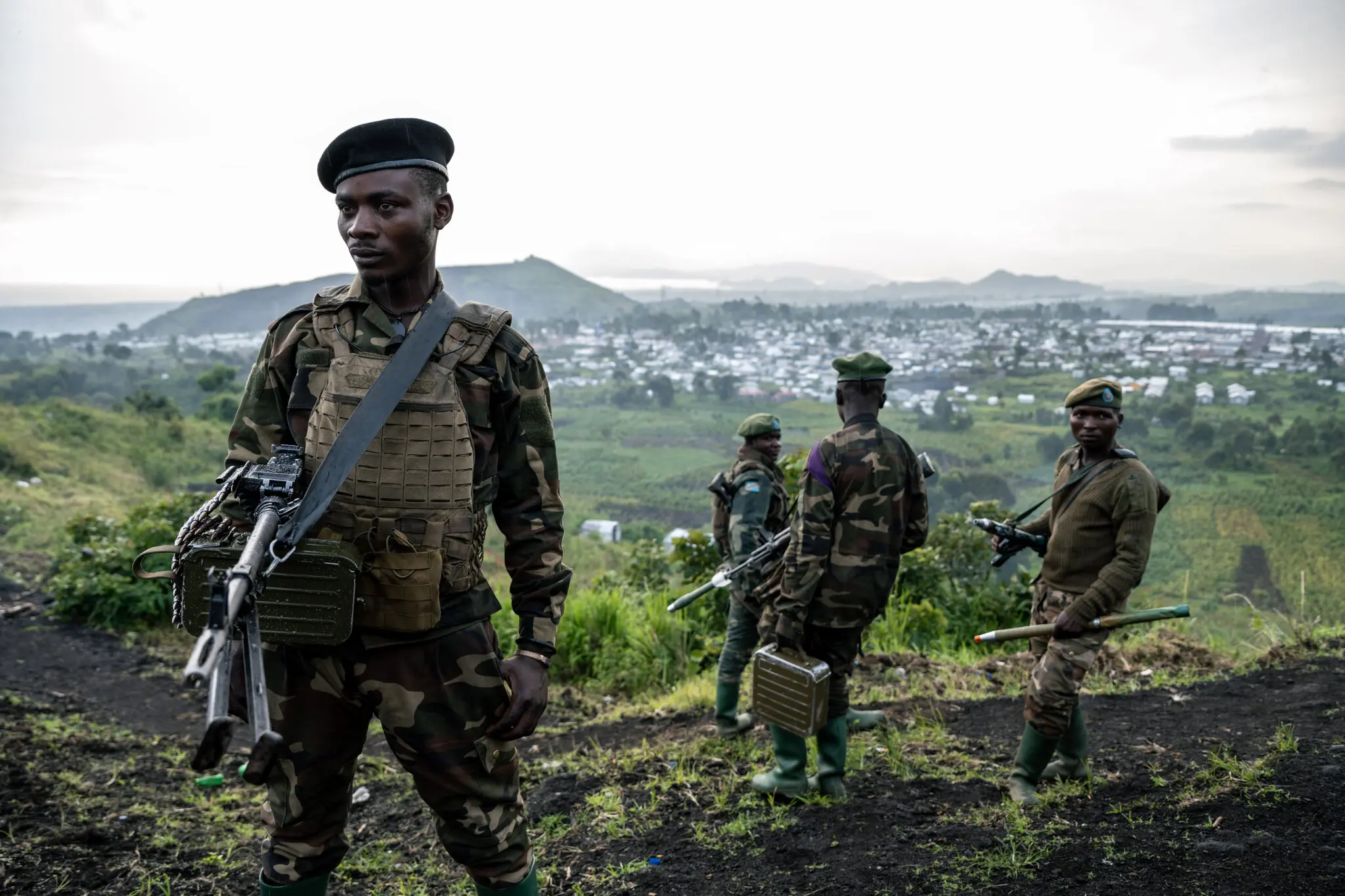
This section examines the conflicts that unfold in the shadows — wars without frontlines, armies without uniforms, strategies without acknowledgement. Asymmetric warfare is the operating system of modern violence, and this category breaks down how insurgent groups, militias, cyber cells, private contractors, and covert units challenge the traditional idea of a battlefield.
Here, readers will find analyses that highlight how small forces destabilize larger powers, why states increasingly rely on deniable proxies, and how influence and information have become weapons as potent as missiles.
It is the space where the anatomy of unconventional conflict is dissected piece by piece.
Conflict Analysis — The Heart of Geopolitical Insight
This category is the analytical core of FalloutObserver. If Asymmetric Warfare deals with the “how,” then Conflict Analysis asks the “why.”
Every article in this section approaches world events like a forensic investigation: examining economic pressures, political ambitions, cultural fractures, and ideological currents to explain why tensions escalate and how crises evolve.
This is where long-form essays, strategic maps, and deep dives into global hotspots converge. The goal is not only to report but to interpret — to unravel the hidden structures beneath seemingly chaotic events.
Fallout History Channel — Because the Past Never Stops Speaking
History is not silent; it whispers beneath every modern conflict. The Fallout History Channel revisits the wars, revolutions, treaties, failures, and turning points that sculpted the world we live in today.
Instead of treating history as a museum of dead events, this category approaches it as a living force — one that explains current alliances, old resentments, territorial disputes, and ideological battles.
Readers can expect narratives that link past and present, revealing patterns humanity keeps repeating, willingly or not.
Observer’s Bookstore — A Curated Arsenal of Knowledge
In an age drowning in noise, Observer’s Bookstore serves as a sanctuary of substance. This category offers curated recommendations of books, declassified documents, academic studies, intelligence reports, and strategic analysis that deepen the reader’s understanding of war and geopolitics.
Each entry goes beyond a simple review — it explains why the work matters, what insights it offers, and how it connects to the broader challenges shaping our world.
It is the intellectual backbone of the site, built for those who want to go further than headlines.
The Structure, United
Together, these four categories form the spine of FalloutObserver. Each one approaches conflict from a different vantage point — the tactical, the analytical, the historical, and the intellectual.
But all of them converge toward a single purpose: helping readers understand a world where tension is constant, power is shifting, and conflict is never as distant as it seems.
This blog is not a refuge from the world’s turbulence — it is a map of it.
And now that you know the structure, the journey begins.