A clear-eyed review of Red Star Over Cuba, why Weyl argued CUBA was a Soviet beachhead, and what his warnings mean for geopolitics today
Nathaniel Weyl’s Red Star Over Cuba arrived in 1961 as a blunt instrument of analysis and warning about CUBA, Fidel Castro, and Soviet ambitions in the Western Hemisphere. Writing as a former insider of the American left and a scholar of Latin America, Weyl presented a view that cut against the grain of romanticized revolutionary narratives. He saw the island not as a spontaneous experiment in social justice, but as a strategic opportunity for Moscow, and he spelled out consequences that would soon become painfully visible.
Weyl’s background and method give the book weight
Weyl was no casual commentator. His personal history included membership in the Communist Party USA and deep study of Latin American politics. That experience shaped a tone in which personal disillusionment and careful research merged. He mixed historical narrative with an intelligence-style, multi-angle approach, examining economics, military ties, propaganda, and leadership psychology, to show how a revolution could be transformed into a Leninist project.
His position was unambiguous, and he did not hide his view that the Cuban case was more than local upheaval. As he wrote, “the Cuban Revolution was never an indigenous expression of social justice, but a carefully co-opted instrument of Soviet expansionism.” That sentence, direct and uncompromising, is central to Weyl’s thesis, and it frames his later geopolitical warnings.
Core argument, tactics, and the portrait of Castro
Weyl argued that the early pluralism of the Cuban Revolution—students, workers, and reformers—was systematically purged, leaving a one-party state, censorship, imprisonment, and the export of revolutionary violence. He described the outcome as the logical implementation of Marxist-Leninist doctrine rather than an accidental drift. He emphasized the methods that mirrored earlier Bolshevik models: manipulating youth movements, stoking anti-American sentiment, and building a police apparatus justified by revolutionary necessity.
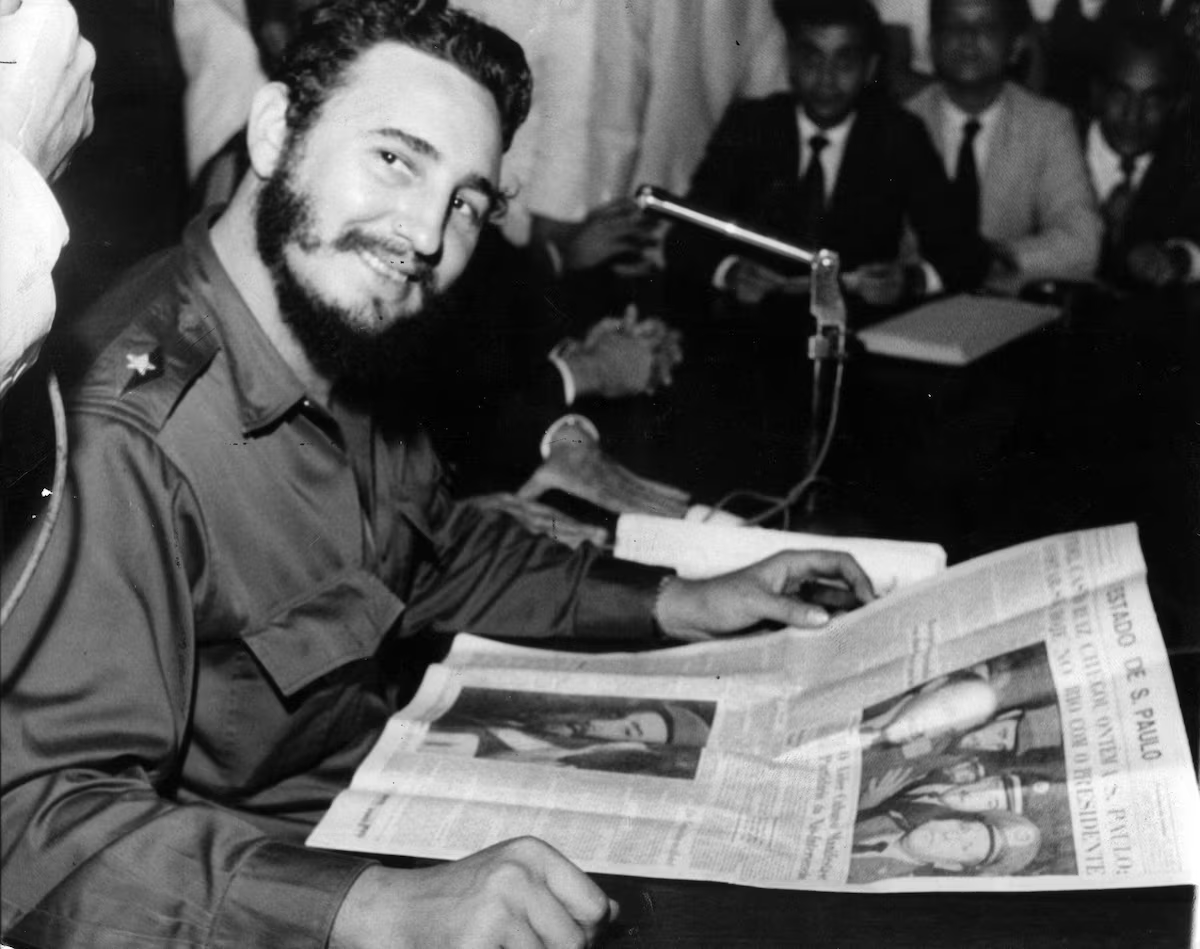
Weyl’s portrait of Castro is both clinical and literary. He saw in the leader a mixture of charisma and megalomania, a political actor who both created and became captive to a myth. That analysis gives the book a human dimension, showing how ideology can reshape personality and politics, and how a popular hero can morph into a gatekeeper of a closed system.
Geopolitical foresight, and the Cuban Missile Crisis
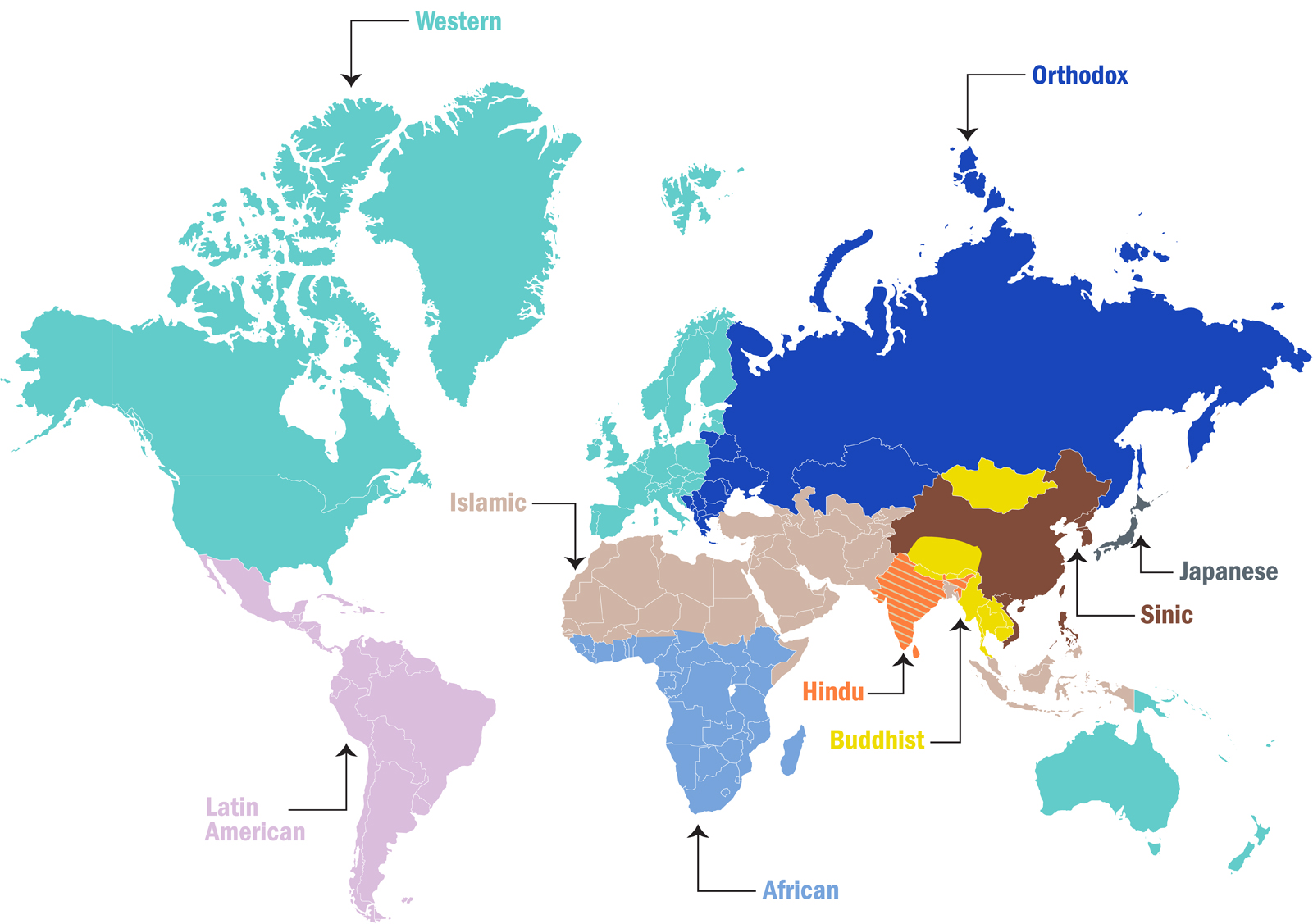
Perhaps the most striking element of Weyl’s work is his geopolitical frame. He warned that Soviet influence in Havana would radiate through the hemisphere, and he coined the phrase that became his subtitle, “the Russian assault on the Western Hemisphere.” He insisted that Cuba was shaped into a forward base for Moscow’s ideological and, potentially, military reach.
History soon put pressure on that analysis. As Weyl observed in his book’s aftermath, “Within a year of its publication, the world stood on the brink of nuclear war during the 1962 Cuban Missile Crisis—exactly the kind of escalation his book had foreseen.” The crisis made concrete the risks Weyl had described, and it validated his claim that Cold War competition was not confined to Europe, but extended into the Americas.
Legacy, criticism, and lasting relevance
At the time, some critics labeled Weyl alarmist, but later events softened that critique. Cuba’s documented interventions in Angola and Ethiopia, and its long-standing one-party system, aligned with many of Weyl’s warnings about exportation of revolution and internal repression. Weyl’s tone was moral and urgent; he framed communism not simply as an economic alternative, but as a force that, in his words, degrades truth and individual conscience in the name of collective salvation.
The book’s long-term value is twofold. First, it belongs to a lineage of insider critiques—works like Darkness at Noon and Animal Farm—that translate disillusionment into readable, moral analysis. Second, it remains a tool for understanding how ideological projects can be transplanted across borders and sustained through institutions that limit dissent. As Weyl put it, once entrenched, such systems are hard to dismantle because they create mechanisms of thought control, social isolation, and institutional capture.
What Weyl’s warnings mean for readers in the United States today
For contemporary readers, Red Star Over Cuba offers lessons beyond its historical moment. It highlights how foreign influence operates through political, cultural, and security ties, and it reminds democratic societies to strengthen institutions that resist authoritarian capture. The book also warns against romanticizing revolutionary change without scrutiny of the means used to secure power.
Weyl’s central claim, that CUBA became a node of Soviet strategy rather than a purely indigenous advance for social justice, forces readers to ask how external powers can shape local movements, and what safeguards are necessary to keep democratic processes resilient. His work shows the importance of clear-eyed analysis of leaders, ideology, and institutional designs, and it underlines the human cost when ideals are converted into rigid systems of control.
In short, whether or not one accepts every judgment Weyl made, Red Star Over Cuba continues to be a consequential text for anyone trying to understand the interaction of ideology, power, and national fate in the Americas. Its warnings remain a sober reminder that geopolitical transformations often begin in ways that seem domestic and local, but can have global consequences.