A clear, concise look at Wagner’s rise, deniable warfare model, the Prigozhin revolt, and the uncertain future of privatized force
The name Wagner has come to stand for a new form of modern coercion, where private force, state interest, and commercial profit collide. The group did not fit traditional models of mercenaries or Western private military companies, it carved a niche as a hybrid instrument that could operate in the grey zone between open war and covert action. As analysts put it, “The Wagner Group emerged as a paradigmatic example of twenty-first-century deniable force,” (Wikipedia). That description helps explain why governments and analysts keep watching Wagner closely, even after the dramatic upheavals of 2023.
Origins and rapid expansion
Wagner’s beginnings are traceable to the violence of 2014, (Wikipedia). In the wake of Russia’s annexation of Crimea and the fighting in eastern Ukraine, a network of former special-operations officers and private contractors assembled into a force able to deploy quickly in high-risk environments. Key figures included former GRU officer Dmitry Utkin and businessman Yevgeny Prigozhin, whose financing and public advocacy helped the group grow. From Ukraine, Wagner moved into Syria, Libya, and several African countries, providing Moscow with a way to exert influence without overt troop commitments.
What set Wagner apart was not only combat capability, but the economic model that funded it. As one analysis noted, “What made Wagner geopolitically valuable was its combination of capabilities and plausible deniability,” (Council on Foreign Relations). Wagner often secured mining concessions, logistics rights, and access to natural resources such as gold, diamonds, and oil, in exchange for security services. This blending of military action and commercial extraction turned Wagner into both a battlefield actor and a corporate-economic player.
Operational model: deniability, resources, and ruthless tactics
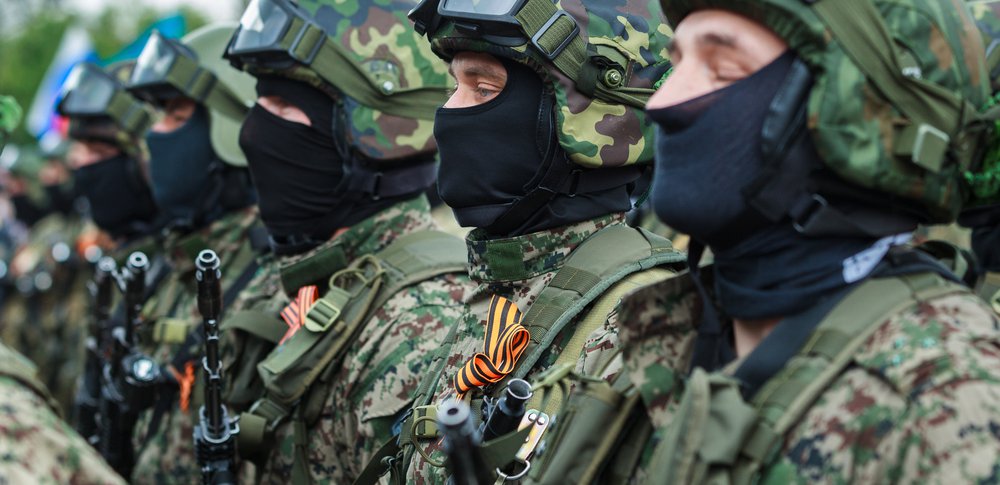
Operationally, Wagner provided a wide menu of services. In Syria, units held territory, protected infrastructure, and secured oilfields for Damascus. In Libya and parts of Africa, Wagner supplied training, force projection, and political influence that helped friendly regimes stay in power. In Ukraine, the group fielded large assault formations, sometimes recruiting convicts for front-line roles, and was accused of brutal tactics that raised war crimes concerns. Across these theaters, Wagner offered intelligence, training, drone and artillery teams, and close-quarters assault squads that let patrons test tactics without formal declarations of war.
This model of “outsourced coercion” created structural tensions. Mercenary loyalty can be fragile, profit motives can clash with strategic aims, and the lack of formal accountability encourages predation and atrocities. Those tensions were visible long before 2023, but they became unavoidable after a public rupture between Wagner’s leader and Russia’s military command.
The 2023 revolt and its aftermath
In 2023, Yevgeny Prigozhin publicly broke with Russia’s military leadership, culminating in a brief armed march toward Moscow by Wagner forces and a negotiated retreat. The episode exposed the limits of plausible deniability and the risks of empowering privatized armed actors. Prigozhin’s later death in a plane crash “further unsettled the network,” (Wikipedia), and prompted a rapid effort by the Kremlin to reassert control over mercenary operations.
Even after these dramatic events, “In the aftermath of Prigozhin’s removal, Wagner has not simply vanished,” (Global Initiative). Elements of the network fragmented, rebranded, or were absorbed into formal state-linked structures like an “Africa Corps,” while some personnel were integrated into regular units or security services. On the ground in countries such as the Central African Republic and Mali, a “business as usual” appearance persisted, driven by entrenched local contracts and vested interests.
At the same time, the post-Prigozhin era revealed new vulnerabilities. Disputes over revenue streams and command prerogatives increased without a unifying broker, and host governments that once relied on Wagner’s muscle had to renegotiate terms with Moscow or emerging local commanders. The legal and ethical consequences of Wagner’s past operations, including numerous accusations of summary killings and looting, remain largely unresolved because mechanisms for accountability are weak. The network’s diffusion means that prosecuting abuses or obtaining reparations faces both legal and political obstacles.
Geopolitical consequences and what comes next
The Wagner experiment offers several sobering lessons. First, privatized coercion can reshape regional orders, particularly in Africa, where host states experienced governance erosion, militarized politics, and a tilt toward Moscow. Second, proxy actors create an accountability gap that makes it harder to apply sanctions, pursue war-crime prosecutions, or build coordinated multilateral responses. Third, the spread of combat technologies and tactics, including drones and advanced field logistics, raises the risk of regional escalation and more persistent instability.
Analysts warn that the short-term utility of deniable force often produces long-term strategic costs. The networks, commercial ties, and client relationships that sustain groups like Wagner are hard to unwind, and the autonomy that makes them flexible also makes them unpredictable and potentially dangerous to their sponsors. As one summary of the arc put it, “If there is a lesson in Wagner’s arc, it is that the short-term utility of deniable force often begets longer-term strategic costs.”
Policy responses are difficult but clear in outline. States seeking to limit the influence of Wagner-style actors can pursue tougher sanctions and legal measures against mercenary brands, help strengthen host-country governance to reduce demand for private armies, and build international mechanisms for attribution and accountability. For sponsoring states, the temptation to use deniable force remains strong, but the Wagner case underscores the reputational, legal, and governance costs of outsourcing coercion.
The world now lives with the consequences of the Wagner model: fragmented militias, contested resource booms, and a multi-layered accountability deficit that will shape conflicts and diplomacy for years. Understanding Wagner matters because it is not only a single group’s story, it is a case study in the risks and results of privatized, deniable power in the twenty-first century. Policymakers, journalists, and citizens should watch how remnants of Wagner evolve, because the patterns it set are likely to be copied, adapted, or resisted across fragile regions worldwide.