The Greco-Persian Wars: A Defining Clash of Civilizations
The Greco-Persian Wars, spanning from 499 to 449 B.C., represent a monumental period of conflict that pitted the independent Greek city-states against the vast and powerful Achaemenid Persian Empire. These wars were not merely military clashes, but a profound struggle that irrevocably shaped the trajectory of Western civilization, leaving an indelible mark on politics, culture, and military strategy.
The Spark: The Ionian Revolt
The seeds of the Greco-Persian Wars were sown on the western coast of modern Turkey, in the region of Ionia. Here, Greek cities found themselves under Persian dominion and grew increasingly weary of imperial control. The revolt, which began in 499 B.C., was fueled by several key factors. The Persian satraps imposed heavy taxation and tribute, placing a significant burden on the local populations. Furthermore, resentment festered against the tyrannical rulers often installed by the empire. Mainland Greece, particularly Athens and Eretria, offered crucial support, providing ships and resources to the Ionian rebels. Although the revolt saw some initial successes, including the dramatic burning of Sardis, it ultimately faltered. Persian military might proved superior, and internal disunity among the Ionian cities weakened their cause. This initial uprising, however, was pivotal, setting the stage for a massive Persian response and firmly establishing Athens as a primary antagonist in the eyes of the Persian kings.
Persia’s Mighty Response and Strategic Aims
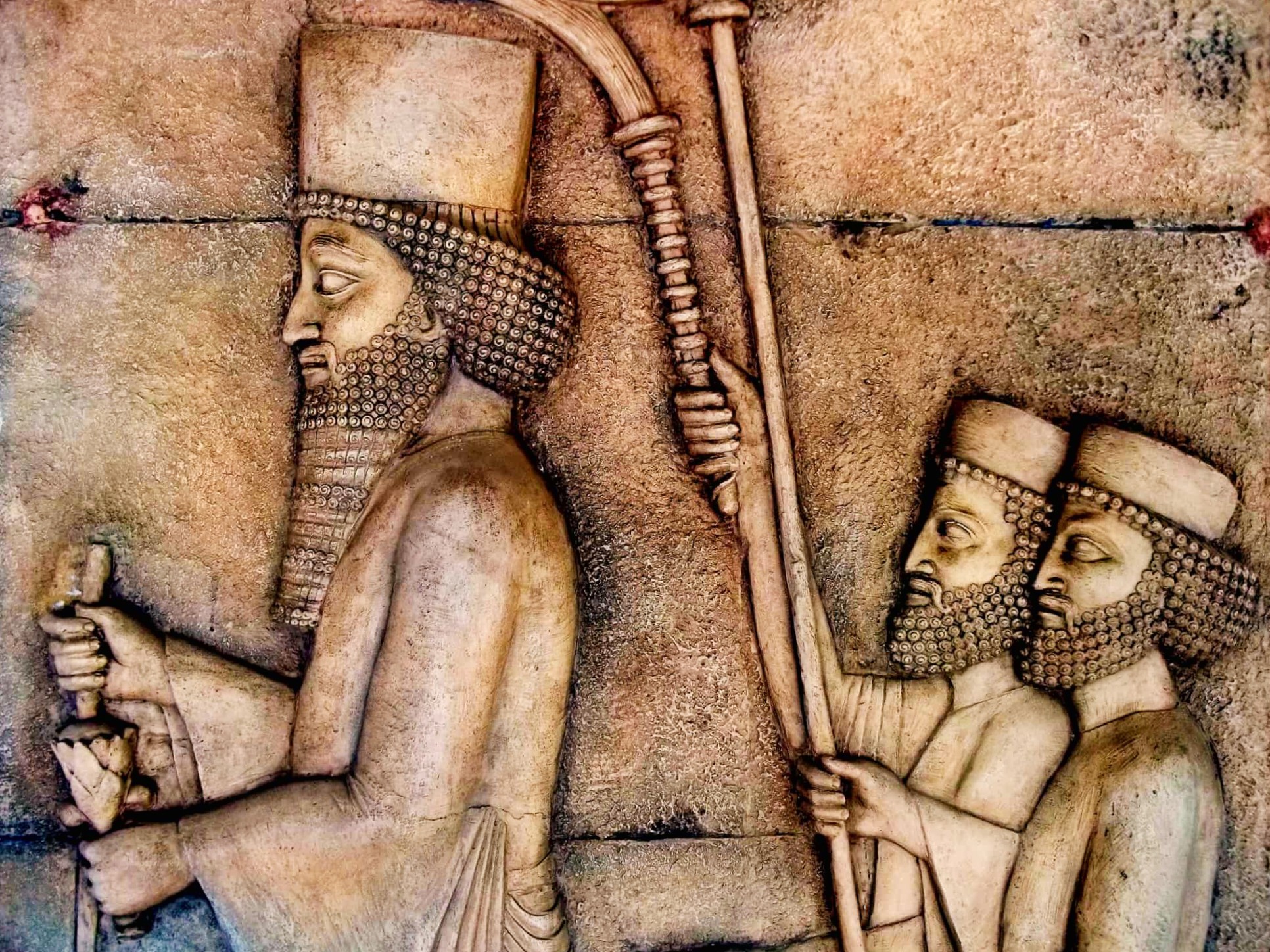
Following the Ionian Revolt, Persian rulers, including Darius I, began to meticulously plan a full-scale campaign to bring mainland Greece under their control. The Persian strategy was characterized by its sheer scale and integrated approach. They could draw upon massive manpower, assembling troops from across their sprawling empire, which included Medes, Persians, Egyptians, and various Levantine contingents. Their military doctrine emphasized combined arms tactics, deploying infantry, cavalry, and archers in concert to leverage their numerical advantage. Crucially, control of the Aegean Sea was a vital component of their strategy, essential for transporting their vast armies and securing vital supply lines. Beyond military conquest, the Persians aimed to punish Athens and Eretria for their support of the revolt, projecting imperial authority and aiming to deter any future uprisings in their western provinces.
Marathon: A Stunning Greek Upset
The first major confrontation of the Greco-Persian Wars occurred in 490 B.C. at the plain of Marathon. Here, the Athenian hoplites, citizen-soldiers renowned for their discipline and heavy armor, faced the formidable Persian forces. The Greek victory at Marathon was a testament to several key factors. The disciplined phalanx formation of heavily armored hoplites proved incredibly effective against the Persian archers. Athenian general Miltiades employed a brilliant tactical innovation, extending his flanks to encircle the Persian forces, a move that proved decisive. The high morale of the Greek soldiers, fighting on their home territory with a unity forged by their shared city-state identity, also played a crucial role. The Battle of Marathon was a symbolic moment of defiance against the might of imperial Persia. It significantly boosted Greek confidence and demonstrated to the world that a smaller, well-disciplined force could indeed defeat a numerically superior foe.
Xerxes’ Grand Invasion and the Heroic Stand at Thermopylae
Two decades after the Persian defeat at Marathon, Xerxes I, the successor to Darius, launched an even more massive invasion of Greece. His objective was to avenge his father’s defeat and assert Persian dominance over the Hellenic world. Xerxes’ campaign was an immense undertaking. His army and fleet crossed the Hellespont, a feat of logistical planning. The invasion was marked by brutal suppression of any cities that resisted, often involving treachery and massacres. The Persians also showcased remarkable engineering feats, constructing pontoon bridges across rivers and building roads through challenging mountainous terrain to facilitate their advance. The sheer scale of Xerxes’ invasion finally galvanized a pan-Hellenic response, with Athens and Sparta forming a coalition of city-states united by the existential threat of Persian domination.
The narrow pass of Thermopylae became the site of one of the most legendary battles in history. A small Greek force, famously led by King Leonidas of Sparta, made a heroic stand against Xerxes’ massive army. Although ultimately overwhelmed, the stand at Thermopylae had profound consequences. The Spartan sacrifice became a powerful symbol, inspiring Greek resistance across the land. Strategically, the delay imposed by the Greeks allowed other city-states crucial time to mobilize their defenses and prepare for subsequent naval engagements. The psychological impact on the Persian advance, while tactically victorious, was significant, as they suffered reputational and logistical strains. Thermopylae remains a powerful example of how terrain and unwavering morale can act as potent force multipliers in warfare.
Naval Dominance at Salamis and Victory at Plataea
The tide of the Greco-Persian Wars turned decisively at the Battle of Salamis in 480 B.C. In this crucial naval engagement, the Greek fleet, expertly commanded by Themistocles, achieved a stunning victory over the larger Persian armada. The Greeks masterfully exploited the narrow straits, neutralizing the Persian numerical superiority in confined waters. Their triremes, more agile and coordinated, outmaneuvered the Persian ships. Themistocles’ use of intelligence and deception was also critical, as he lured the Persian fleet into battle under strategically advantageous conditions for the Greeks. The Battle of Salamis shattered Persian naval power and marked a definitive turning point in the war, shifting the initiative firmly into Greek hands.
The final decisive blows of the Greco-Persian Wars were struck in 479 B.C. at the Battles of Plataea and Mycale. At Plataea, Greek hoplites engaged and decisively defeated the remaining Persian land forces, securing the independence of central Greece. Simultaneously, at Mycale, the Greek navy destroyed the last vestiges of the Persian fleet, establishing undisputed dominance over the Aegean Sea. These combined victories effectively ended Xerxes’ ambitions of conquering Greece and confirmed the remarkable resilience and tactical ingenuity of the Greek city-states.
The Peace of Callias and Lasting Impact
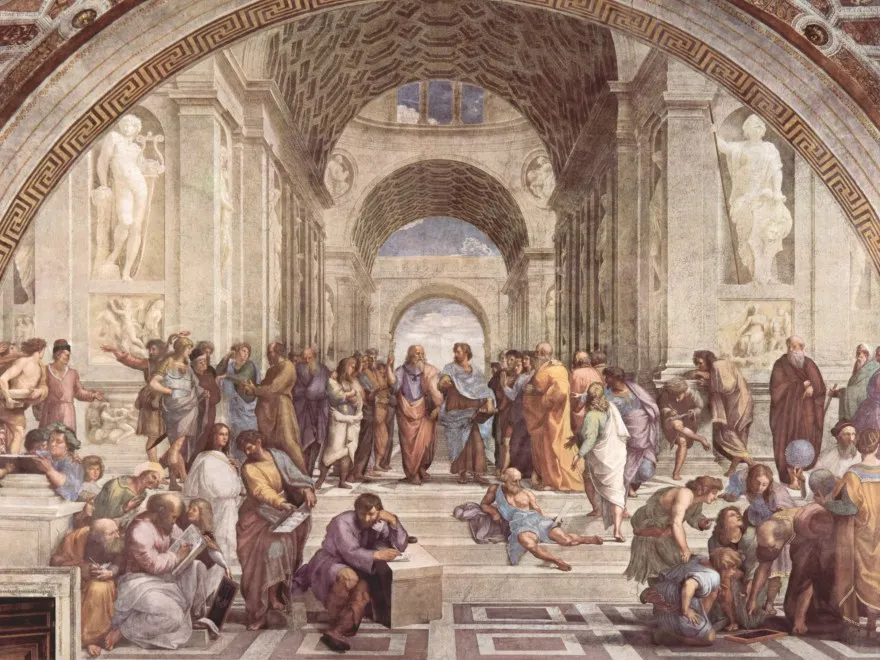
After years of intermittent conflict, the Greco-Persian Wars were formally brought to an end with the Peace of Callias, around 449 B.C. This treaty brought a formal cessation of hostilities and established terms that recognized Greek autonomy in Asia Minor, ending tribute demands on the Ionian cities. The treaty ensured the preservation of Greek trade and political freedom, laying the groundwork for decades of stability and the subsequent flourishing of Classical Greek culture. The Greco-Persian Wars were far more than just military encounters, however. They played a crucial role in shaping Greek identity and historiography. The narratives of historians like Herodotus framed Persia as the “other,” emphasizing themes of freedom versus tyranny. The shared struggle fostered a sense of pan-Hellenic consciousness, as city-states recognized the value of cooperation against a common, formidable foe. Battles like Marathon, Thermopylae, and Salamis became enduring symbols of courage, civic virtue, and the defense of liberty.
Lessons from the Ancient Battlefield
The legacy of the Greco-Persian Wars offers timeless lessons that resonate even today. They powerfully demonstrate the strength of unity, showing how small, cohesive states can effectively resist larger imperial powers. The importance of strategy, terrain, and tactical innovation was highlighted, proving that these factors could often outweigh sheer numerical superiority. Furthermore, the wars underscore the deep integration of culture, politics, and warfare, where success depended not only on military might but also on effective leadership, high morale, and a compelling ideological framework. The influence of the Greco-Persian Wars on military theory, political thought, and historical writing is undeniable, shaping the trajectory of Western civilization and solidifying the collective memory of freedom and resistance.