The Achaemenid Persian Empire: A Masterclass in Imperial Expansion
The Achaemenid Persian Empire, established by **Cyrus the Great** in the mid-6th century B.C., stands as a monumental achievement in ancient history. Through a masterful blend of military strategy, innovative administration, and compelling ideology, the Persians transformed from a regional power into a vast empire that spanned from the Indus Valley to the Aegean Sea. The foundational conquests by Cyrus the Great (r. 550–530 B.C.), followed by his son Cambyses II (r. 530–522 B.C.), and the prolific reign of Darius I (r. 522–486 B.C.), laid the groundwork for a state that would endure for over two centuries.
Cyrus the Great: The Architect of Empire
Cyrus II, revered as Cyrus the Great, was the visionary behind the Persian Empire. Originally the king of Anshan, he unified the disparate Persian tribes and successfully revolted against their Median rulers around 550 B.C. Cyrus’s military approach was characterized by swiftness, surprise, and psychological warfare. Crucially, he possessed an exceptional ability to integrate local elites and maintain the loyalty of conquered populations, a key factor in his rapid expansion.
His initial conquests were transformative. He subdued the **Median Empire** with minimal destruction, incorporating its leadership into the Persian administration. The wealthy kingdom of Lydia fell next, conquered through a combination of effective siege tactics and shrewd diplomacy. In 539 B.C., Cyrus captured Babylon, a feat achieved with little devastation and strategically framed as a liberation of its people from oppressive rule. These campaigns highlight Cyrus’s profound understanding of logistics, strategy, and governance, as he skillfully combined military might with propaganda and a respect for local customs to solidify his burgeoning empire.
Military Innovations and Strategic Acumen
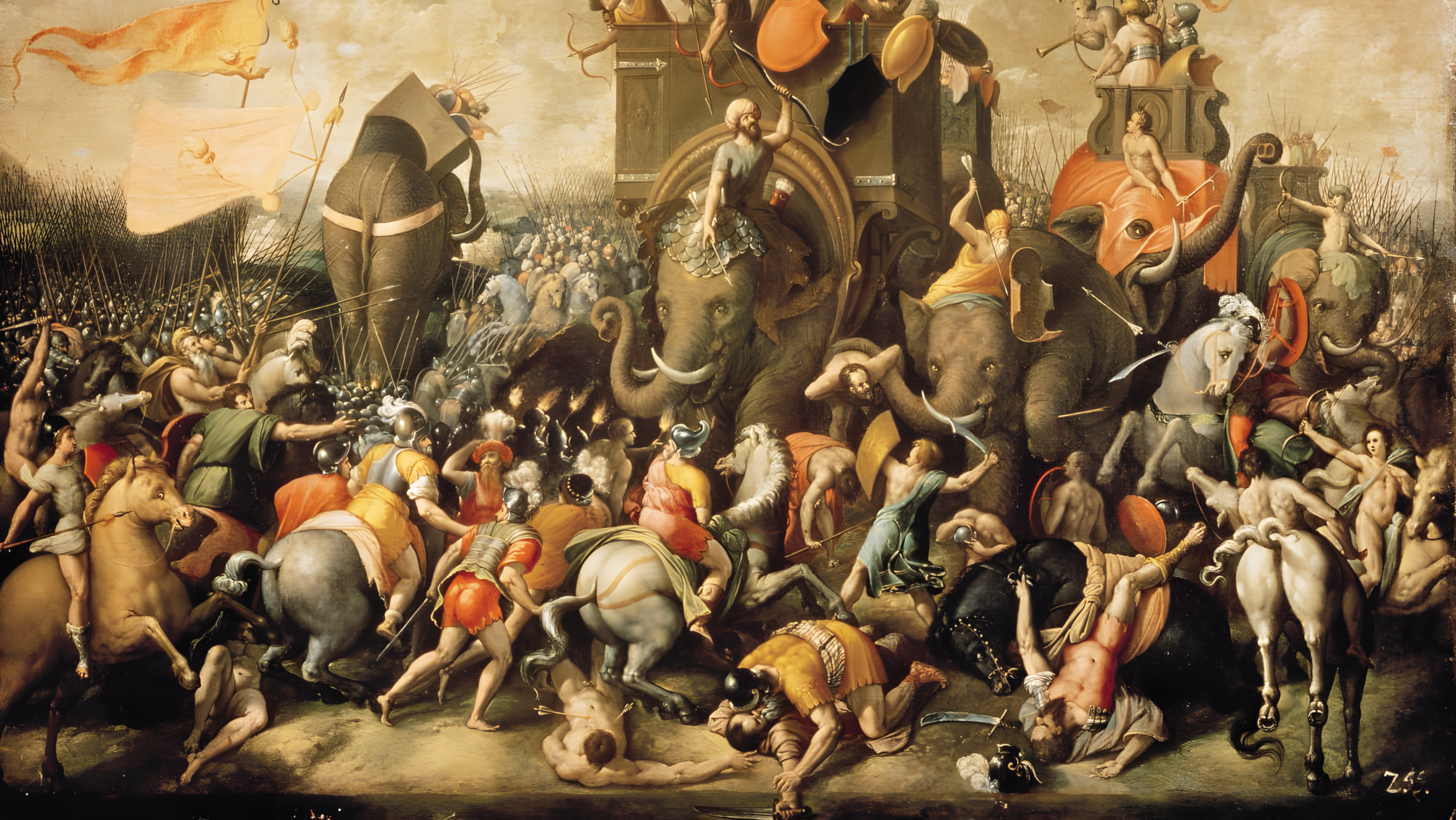
The success of Cyrus’s conquests was underpinned by a highly organized and adaptable army. This military force was adept at operating across diverse and challenging terrains. Key strengths included:
- Cavalry units: Providing unparalleled speed and mobility, a significant advantage over contemporary armies.
- Infantry phalanxes: Essential for decisive frontal assaults and holding ground.
- Siege technologies: Enabling the rapid capture of fortified cities, which were often formidable obstacles.
Cyrus demonstrated remarkable tactical flexibility, tailoring his strategies to the specific geography, climate, and the strengths of his adversaries. His ability to seamlessly blend diplomacy, intimidation, and precise military action became a hallmark of Persian expansion, setting a new standard for imperial conquest.
Cambyses II and the Conquest of Egypt
Following in his father’s footsteps, Cambyses II expanded the empire’s reach, with a particular focus on the conquest of Egypt. This significant campaign, concluded in 525 B.C., showcased:
- Naval strategy: The successful crossing of the Sinai Peninsula and navigation of the Nile region demanded meticulous logistical planning and execution.
- Psychological warfare: Cambyses skillfully presented the campaign as a divinely sanctioned mission, bolstering support and intimidating opponents.
- Integration of conquered peoples: Unlike many conquerors of the era, Cambyses allowed the Egyptians to maintain their traditional governance structures, albeit under Persian oversight.
The successful annexation of Egypt not only brought immense wealth and resources to the Persian Empire but also extended its influence into a region previously resistant to foreign domination. This campaign further cemented the Persian reputation for military efficiency and pragmatic political maneuvering.
Darius I: Consolidation, Expansion, and Administration
Darius I, widely regarded as one of the most capable Achaemenid rulers, ascended to the throne during a period of internal upheaval. He embarked on systematic campaigns to solidify Persian dominance and expand the empire’s territorial boundaries. His major achievements included:
- Eastern conquests: Darius subjugated regions such as Bactria, Sogdiana, and parts of the Indus Valley, extending Persian influence deep into Central Asia.
- Western campaigns: He incorporated Thrace, Macedon, and the coastal areas of Anatolia into the empire, bringing the Persians into direct contact with the Greek city-states.
- Infrastructure development: Darius initiated ambitious projects, including the construction of the famed Royal Road and the establishment of an efficient postal system, crucial for maintaining control over vast and distant provinces.
Darius’s integrated approach, combining military strength with administrative and economic reforms, allowed the Persian Empire to function with remarkable efficiency. This ensured cohesion across its incredibly diverse cultures and sprawling geographies, a testament to his visionary leadership.
Ideology and Legitimacy: The Pillars of Persian Rule
The Persians masterfully employed ideological and religious frameworks to legitimize their conquests. The kings were presented as divinely chosen by Ahura Mazda, tasked with the sacred duty of maintaining order (Asha) and justice throughout their domains. Royal inscriptions consistently emphasized:
- Divine sanction: Military campaigns were portrayed as having the blessing of the gods.
- Duty to integrate: A core tenet was the integration, rather than destruction, of conquered peoples.
- Peace and prosperity: The maintenance of peace and prosperity across the empire was a constant theme.
This ideological foundation was critical in fostering loyalty and preventing widespread rebellion. Conquered populations often viewed Persian rule as legitimate, and in many cases, beneficial, a distinctive characteristic among ancient empires. This approach fostered a unique stability rarely seen in the ancient world.
Administrative Sophistication and Cultural Tolerance
Persian conquest was not solely about military might, but also about the development of sophisticated administrative systems. The empire was divided into satrapies, or provinces, each governed by a satrap responsible for tax collection, law enforcement, and local administration. A robust tributary system ensured the central government received sufficient resources to support its military and civic functions.
Crucially, the Persians largely respected the cultural autonomy of their subjects. Local customs, religions, and institutions were generally allowed to persist, which significantly facilitated cooperation and minimized resistance. This administrative brilliance enabled the Persians to govern one of the largest empires in history with remarkable efficiency and stability for centuries.
Legacy of the Persian Conquests
The enduring achievements of Cyrus, Cambyses, and Darius established a powerful model for imperial governance and military expansion that would profoundly influence subsequent empires, including that of Alexander the Great. Key elements of their legacy include:
- Efficient bureaucracy and provincial administration: A system that proved remarkably effective and adaptable.
- Religious and cultural tolerance: Used as a strategic tool of governance to foster loyalty and stability.
- Strategic military campaigns: Characterized by sophisticated logistics and adaptability.
The Persian Empire exemplifies how conquest, ideology, and sophisticated administration can coalesce to create enduring political structures capable of spanning vast and diverse territories. The success of the Persian conquests underscores that imperial expansion relies not only on force, but also on intelligent administration, cultural integration, and the strategic deployment of ideology, offering timeless lessons in power, diplomacy, and the art of empire.