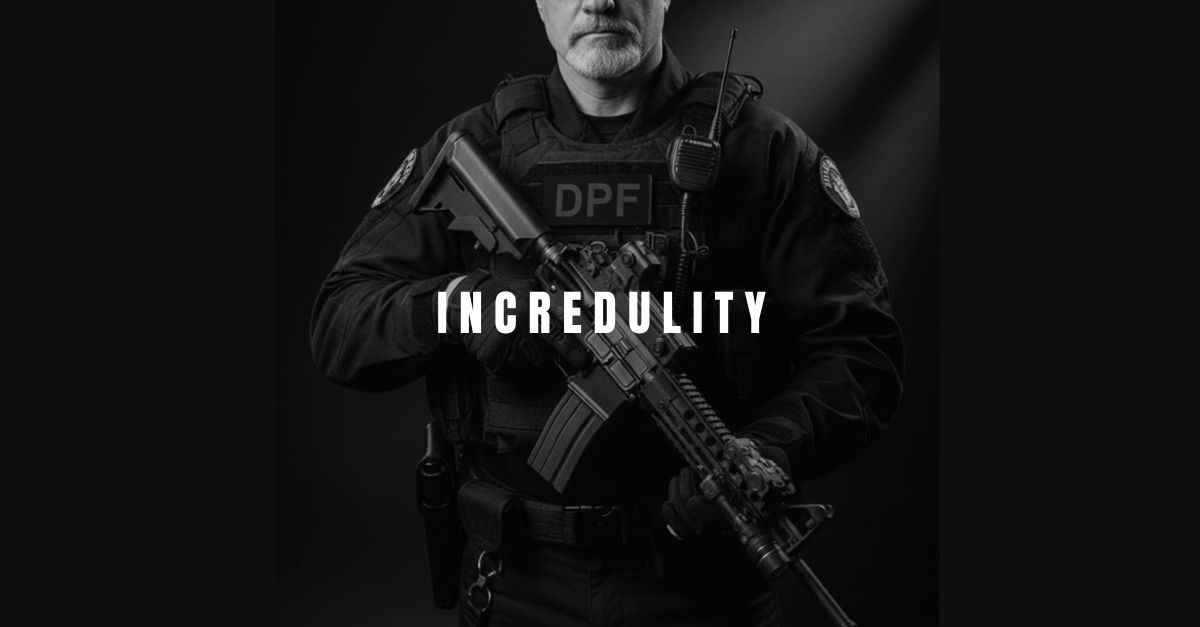
There is a curious maxim by Marshall McLuhan: “Only the small secrets need to be protected. The large ones are kept secret by public incredulity.” It is a disquieting idea, because it suggests that sometimes, sheer absurdity serves as its own shield. When reality becomes so exaggerated, so unsettling, the human mind often refuses to believe it — and in that refusal, the secret survives, even in plain sight.
In daily life, this is easy to observe on a smaller scale. Minor lies require barriers: passwords, safes, protocols. But when something crosses the threshold of the ordinary, when it becomes almost unbelievable, protection becomes unnecessary. Collective astonishment acts as an invisible veil.
Looking at recent headlines, it is impossible not to notice how certain stories challenge imagination. Million-dollar contracts, unusual payments, financing of family members of powerful figures — each element, even alone, is almost surreal. Perhaps it is precisely this that protects them: the logic of the absurd. The reader senses the weight of the news but hesitates to fully believe it. Incredulity acts as a filter, separating what is digestible from what defies plausibility.
There is a psychological effect at play. The more extraordinary the scandal, the less our minds push us to confront it directly. To fully accept it would be painful, forcing a reconsideration of our assumptions about institutions, norms, and the world as we thought we knew it. In this way, the secret — or the scandal — persists, floating in plain sight, almost transparent, yet untouched.
Reflecting on this is uncomfortable but necessary. Not only to understand the mechanics of power or deception, but to train our critical attention. What is too large to be believable demands closer scrutiny, not dismissal. Paradoxically, it is here that philosophy and vigilance converge: where public incredulity becomes the greatest ally of secrecy, there emerges the need to look closer, with rigor and discipline.
In times like these, reflection itself becomes a form of resistance. Careful curiosity, meticulous attention, and the willingness to investigate the implausible — these are the tools that allow us to see what hides in plain view. And perhaps, in the end, McLuhan was right: the greatest secrets are not in locked vaults or hidden documents. They are in the disbelief that surrounds them.