How a Maduro asylum could spark a terrible crisis
The hypothetical arrival of Nicolás Maduro in Brazil, and formal refuge offered by President Luiz Inácio Lula da Silva, would be more than a diplomatic headline, it could be the start of a sustained CRISIS BETWEEN BRAZIL AND THE UNITED STATES. While the scenario remains remote, analysts warn the political and economic fallout could reshape hemispheric alliances, trigger swift U.S. countermeasures, and push Brazil toward deeper ties with rival global powers.
As one recent analysis states, “The scenario in which Nicolás Maduro flees to Brazil and receives refuge from Lula remains unlikely, but its geopolitical implications are profound enough that analysts must consider it seriously.” That assessment underscores why even unlikely outcomes require careful planning by Brasília, Washington, and neighboring states.
A collision of domestic motives and international signaling
Granting asylum to Maduro would be a domestic political act and a clear international signal. For President Lula, such a decision could be framed as humanitarian protection and a defense of national sovereignty, and it would resonate with left-wing allies across Latin America. Internally, the gesture could cement ideological support among certain constituencies, but it would also clash with the advice of Brazil’s military, intelligence services, and business leaders, who value cooperation with the United States for security and trade.
From Washington’s perspective, sheltering Maduro would not read as neutral. The United States views Maduro as illegitimate and a source of regional instability, and Caracas’s ties to Russia, Iran, and China amplify U.S. concerns about strategic competition in the hemisphere. That mix of domestic symbolism and international rivalry is what would convert a bilateral asylum decision into a broader CRISIS BETWEEN BRAZIL AND THE UNITED STATES.
How the United States would likely respond, short of war
The U.S. reaction would most likely be swift, calibrated, and aimed at isolating Brazil diplomatically and inflicting economic costs without crossing the line into military confrontation. Anticipated measures include targeted sanctions, new tariffs, suspension of military cooperation, and the freezing of joint programs. The analysis argues that retaliation would likely begin with economic and political pressure, including sanctions, tariffs, suspension of military cooperation, and freezing of joint research programs.
Washington could also deepen support for Venezuelan opposition groups in exile, step up intelligence gathering along Brazil’s northern border, and leverage multilateral institutions to press Brazil diplomatically. These tools aim to change Brasília’s cost-benefit calculus, but they would also risk long-term damage to U.S.-Brazil ties and to regional stability.
Military imbalance, remote escalation, and why war is unlikely
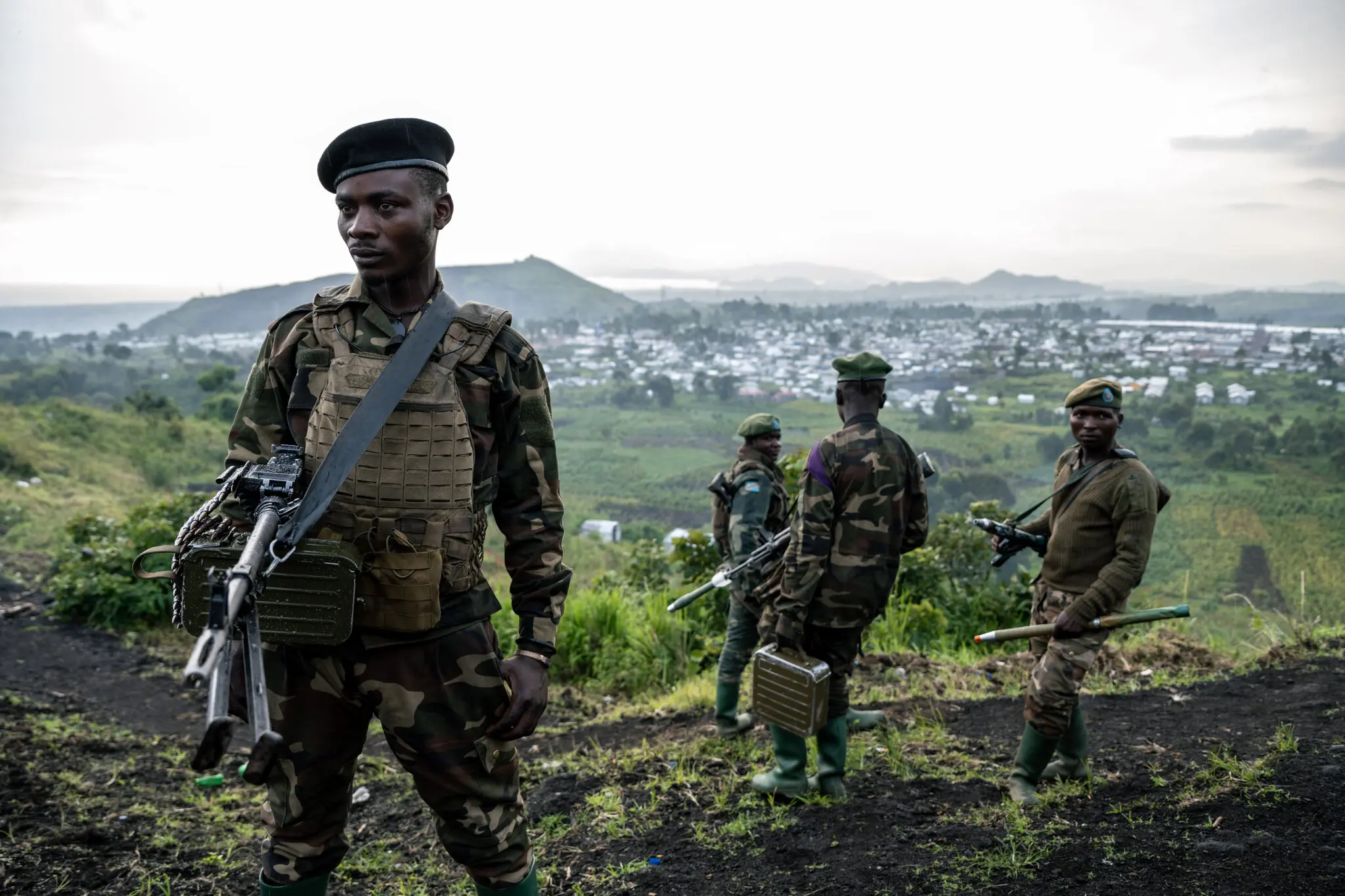
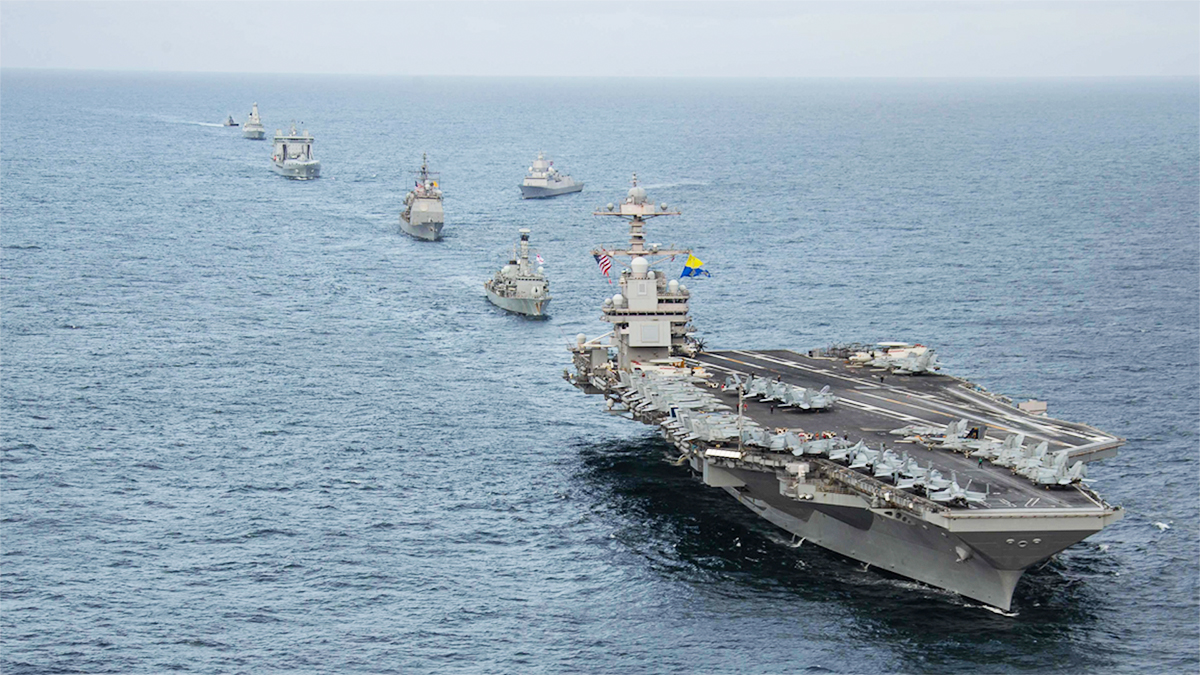
The structural gap between U.S. and Brazilian military capabilities is vast. The United States retains global power projection, technological superiority in ISR and precision strike, and the largest defense budget in the world. Brazil fields capable regional forces focused on territorial defense, peacekeeping, and Amazon security, but lacks the logistical reach to project sustained high-intensity power beyond its borders.
Because of that imbalance, any U.S. strategy in a crisis would prioritize air and naval dominance, cyber operations, and precision actions to limit escalation and avoid occupation. The analysis notes that, in such a clash, the U.S. would rely on long-range capabilities to avoid direct exposure, while Brazil would pursue defensive and asymmetric approaches to complicate U.S. operations.
Most importantly, an armed conflict between the two democracies is strategically irrational and extremely unlikely. The likely sequence of confrontation would stop well short of war, taking the form of economic pressure, diplomatic isolation, and military signaling, rather than open hostilities.
Long-term costs: realignment, regional division, and lost leadership
A decision by Brazil to shelter Maduro risks profound, long-lasting consequences. Economically, severe U.S. measures could push Brazil closer to China for trade and financing, accelerating an economic realignment that would reduce U.S. influence in South America. Regionally, states would be forced to pick sides, eroding the consensus that underpins many multilateral forums.
The analysis highlights three likely outcomes of a Brazilian defiance: economic realignment toward China, regional division, and damage to Brazil’s claim of global south leadership. In practical terms, that means diminished influence for Brasília on issues from Amazon governance to trade negotiations, and a weakening of the multilateral institutions where Brazil has traditionally played a moderating role.
Moreover, hosting Maduro would import security risks, from intelligence operations to political polarization, and would require Brazil to manage a highly sensitive figure under international scrutiny. For Washington, a leader sanctioned and isolated for years operating from Brazilian soil would be unacceptable, drawing demands for monitoring or extradition, and deepening the diplomatic rift if refused.
Why leaders would likely avoid the most dangerous outcomes
Despite the alarming possibilities, the core drivers of both countries suggest restraint. Brazil seeks economic growth, international respect, and stable trade relations, while the United States has no strategic rationale for a fight with Brazil. The interplay of these national interests makes an extreme outcome improbable, but not impossible if miscommunication, third-party actions, or domestic pressures push decision makers toward risky choices.
Ultimately, the question is not whether Brazil could withstand U.S. pressure, the analysis explains, but whether it would have an incentive to endure it. For a nation aiming for regional leadership and global legitimacy, sheltering Maduro would be a high-cost, low-gain gamble that could reorient alliances for years.
In the end, the hypothetical asylum of Nicolás Maduro remains a remote scenario, yet one with outsized implications. It is a reminder that, in geopolitics, symbolic gestures carry strategic weight, and that a single decision can cascade into a prolonged CRISIS BETWEEN BRAZIL AND THE UNITED STATES, reshaping the balance of influence across the Americas.