Energy First: Orban’s Moscow Visit to Lock Russian Gas and Oil for Winter After U.S. Waiver
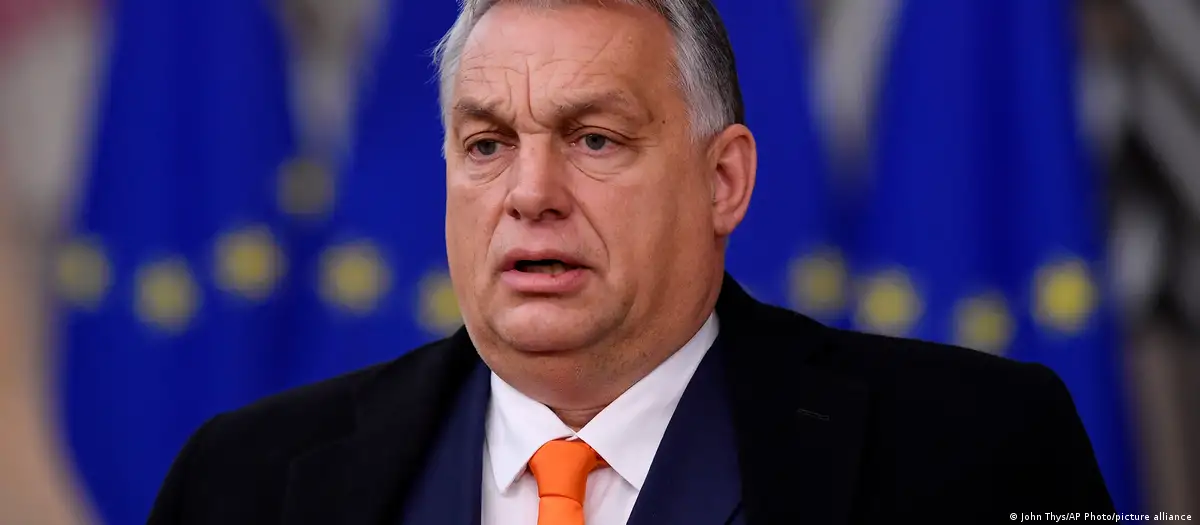
Hungary’s Prime Minister, Viktor Orban, traveled to Moscow to meet President Vladimir Putin, saying his objective was to secure energy for Hungary through the coming winter and next year. In a video posted on Facebook, Orban explained, “I am going there to ensure that Hungary’s energy supply is secured for the winter and next year at an affordable price.”
The visit places Viktor Orban meeting Putin at the center of a complex mix of diplomacy, energy deals, and political positioning. Orban, a European leader known for his close ties to both Washington and Moscow, said he had recently obtained from U.S. President Donald Trump a waiver from American sanctions on Russian oil, valid for one year. Commenting on that result, he said, “We have succeeded, which is excellent,” and added that Hungary now needs gas and oil that it can buy from the Russians.
Energy security motive behind the trip
Orban presented the Moscow visit as pragmatic, focused on making sure Hungary — which still depends heavily on Russian oil and gas — can purchase fuel at affordable prices. He framed the talks as necessary to protect Hungarian households and industry during the winter. Analysts note that Orban has not substantially diversified imports since Russia’s invasion of Ukraine, leaving Budapest dependent on Russian supplies.
During this trip, Viktor Orban meeting Putin is expected to press for contracts or assurances that would reduce the risk of shortages or price spikes, after obtaining the U.S. sanctions waiver. The Hungarian leader’s dual proximity to Washington and Moscow has raised questions across Europe about whether his energy-first approach also signals a softer stance on Russia’s war in Ukraine.
Ukraine reports heavy drone and missile attacks
While Orban was preparing the Moscow visit, the Ukrainian air force reported a major overnight assault by Russian forces. Kyiv said Russia launched 72 attack drones and a ballistic missile identified as an Iskander-M from Crimea. According to Ukrainian preliminary data, air defense shot down or eliminated 63 enemy drones, and authorities recorded impacts from a ballistic missile and nine attack drones in five locations, along with debris from downed drones in another area.
Separately, the Russian Ministry of Defense claimed it had destroyed 136 Ukrainian drones during the same night. These competing tallies underscore the fog of war that surrounds reporting of strikes, losses, and damage.
Political fallout in Kyiv, and a $100 million corruption claim
Back in Kyiv, the Zelensky administration is being shaken by a corruption scandal that has already led to the dismissal of two ministers. Ukraine’s anti-corruption agency, the NABU, revealed what it says are large-scale malversations organized by a close ally of President Volodymyr Zelensky, enabling the diversion of $100 million, about 86 million euros, according to the agency’s disclosure.
As part of the inquiry, law enforcement carried out searches linked to the affair. Several opposition deputies said the search targeted the presidential office in the course of the investigation. The probe centers on Andriy Yermak, a former film producer and intellectual property specialist who is considered by many to be the most influential senior official after the head of state. That prominence has prompted questions, even inside the presidential team, about the nature of ties and oversight in Kyiv.
What to watch next
Observers will be looking for concrete outcomes from Viktor Orban meeting Putin, such as new supply contracts, price guarantees, or longer-term bilateral energy arrangements. Any deal that deepens Hungary’s reliance on Russian fuel could shape Budapest’s political posture in European debates about sanctions and support for Ukraine.
At the same time, Ukraine’s claims of intensive drone and missile attacks, combined with internal political turmoil over alleged corruption of $100 million, add pressure on Kyiv at a moment when battlefield resilience and international backing are both crucial.
The Orban-Putin meeting is therefore not only a bilateral energy negotiation, it is also a signal to capitals in Europe and Washington about Hungary’s priorities, at a time when the war in Ukraine and allegations of corruption in Kyiv are reshaping regional politics.