Ethiopia-Eritrea tensions escalate as Addis Ababa demands direct Red Sea access, sparking hostile rhetoric, UN accusations, and urgent calls for diplomacy
The recent exchange of threats and accusations between Ethiopian and Eritrean leaders has raised alarms across the Horn of Africa, with analysts warning that renewed Ethiopia-Eritrea tensions could trigger a larger regional conflict. At the center of the standoff is Ethiopia’s long running, and now urgent, demand for direct access to the Red Sea, a move Addis Ababa calls an “existential matter” for the landlocked nation.
How the dispute intensified
Ethiopian Prime Minister Abiy Ahmed has publicly pushed for international “mediation” with Eritrea to restore access to maritime routes, and he has described such access as “inevitable”. Government officials in Addis Ababa have even floated the idea of seizing the Eritrean port of Assab by force, a proposal that has sharply escalated rhetoric in both capitals.
For Eritrea, the response has been defiant. Eritrean Information Minister Yemane Gebremeskel accused Ethiopian officials of attempting to “ignite an unjustified war”, reflecting deep mistrust that stretches back decades. This flare-up comes amid renewed clashes along the Tigray-Afar border, and accusations from both sides that risk reviving the large-scale violence that devastated northern Ethiopia from 2020 to 2022.
Accusations, counterclaims, and the role of the TPLF
Ethiopian officials have also accused Eritrea of working with dissident elements of the Tigray People’s Liberation Front, the TPLF, to destabilize other parts of Ethiopia. In an Oct. 2 letter to United Nations Secretary-General António Guterres, Ethiopian Foreign Minister Gedion Timothewos charged that Eritrea and rebel TPLF factions were “funding, mobilizing and directing armed groups” in the Amhara region.
Eritrea dismissed those allegations, posting on X that Ethiopia’s letter was a “deceitful charade”. The public back-and-forth underscores how fragile the 2018 peace accord between the two countries remains. That pact, which helped secure the Nobel Peace Prize for Prime Minister Abiy, has been strained by competing local alliances, battlefield gains and losses, and disputes over territory occupied during the 2020-22 conflict.
The relationship between Eritrea, the TPLF, and Ethiopian authorities is complicated by history. Eritrean President Isaias Afwerki and the TPLF were once allies against Ethiopia’s former communist government in the 1980s, only to fight a brutal border war after Eritrean independence in 1993. During the Tigray war, Eritrean forces fought alongside Ethiopia’s federal forces, and since the Pretoria peace deal in 2022, some TPLF factions have signaled discontent with the terms, fueling makeshift realignments. As one analyst told Foreign Policy, “The most powerful arm of the TPLF factions has begun to form a relationship with their former enemies during the two-year war: Eritrea.”
Ground realities and humanitarian risks
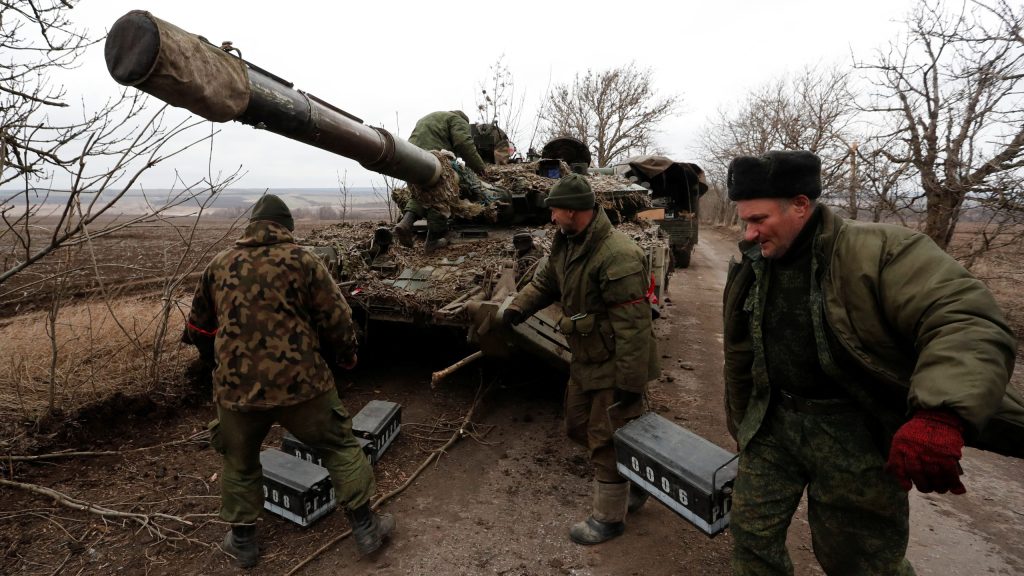
On the ground, tensions manifest in renewed skirmishes along regional borders, disputed control of towns and villages, and the continued presence of Eritrean troops in areas seized during the 2020-22 war. Washington and the U.N. have repeatedly called for Eritrea to withdraw its forces, but those appeals have yet to produce full compliance.
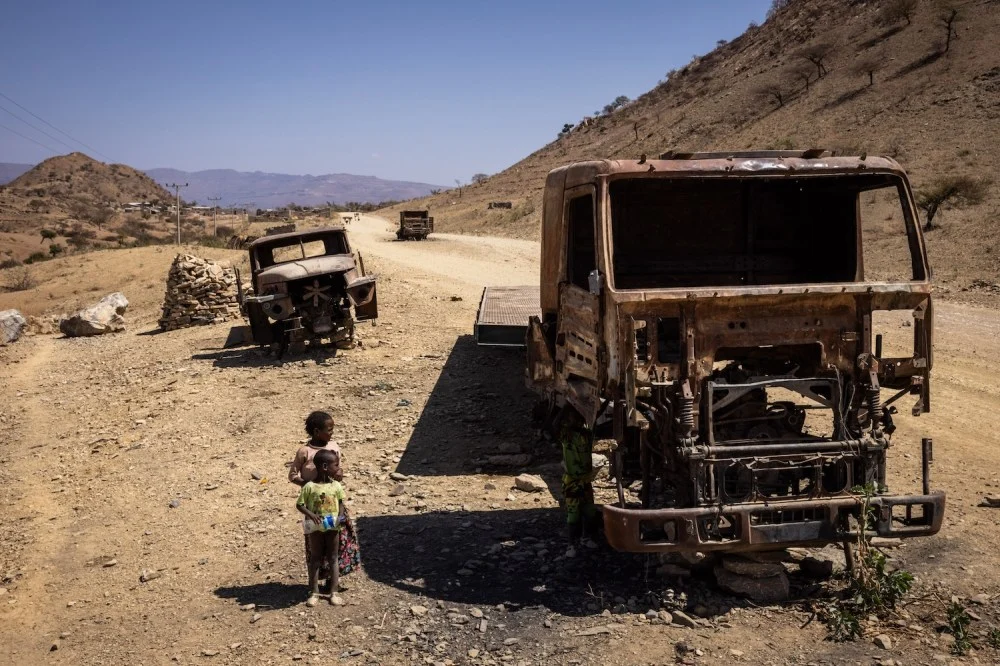
Human rights groups and regional experts warn that a return to large-scale fighting would have catastrophic humanitarian consequences. As Michael Woldemariam and Abel Abate Demissie recently wrote in Foreign Policy, “Whatever the formula for de-escalation, the bottom line is that the Horn of Africa, and the world, cannot afford another Eritrea-Ethiopia war,” highlighting the global stakes of a localized dispute. Human Rights Watch added a blunt warning, “The risk of renewed cycles of atrocities is all too real,” underscoring the urgency for preventative diplomacy.
Regional ripple effects and broader instability
Ethiopia-Eritrea tensions come as the Horn of Africa already faces multiple crises, from protracted conflicts and political instability to food insecurity. Renewed confrontation could destabilize neighboring countries, threaten Red Sea shipping lanes, and revive mass displacement. For Ethiopia, the push for a port is driven by economic and strategic imperatives, yet the choice of rhetoric and potential use of force risk provoking a military response that could engulf the region.
Analysts say the African Union, South Africa, and international partners should prioritize mediation to prevent a collapse of the 2022 Pretoria agreement. Diplomatic intervention, observers argue, must be swift and neutral, focusing on de-escalation, verified troop withdrawals, and mechanisms to guarantee access to ports without resorting to arms.
Experts also warn against the normalization of inflammatory language, given how quickly local skirmishes can escalate. In particular, statements about forcibly taking Assab raise the specter of cross-border operations, and further entrench alliances between dissident groups and foreign actors.
What to watch next
Key indicators for the international community include any movement of Ethiopian forces toward Eritrean territory, expanded military coordination between Eritrea and TPLF dissidents, and whether international mediation efforts gain traction. The United Nations and the United States have both urged restraint, and regional mediators will likely be called on to defuse tensions before they spiral.
While the demands of a landlocked Ethiopia for maritime access are not new, the current tone and timing have increased risks, and the world is watching to see whether cooler heads prevail. Renewed diplomatic engagement, concrete steps to withdraw foreign troops from Ethiopian soil, and verified assurances that political grievances will be addressed through peaceful means are seen as the only viable path to prevent another devastating conflict in the Horn of Africa.
Beyond the immediate crisis, the unfolding situation could reshape alliances in the region, influence international shipping security in the Red Sea, and affect humanitarian needs for millions of civilians. The stakes are high, and the international community faces a narrow window to act, before Ethiopia-Eritrea tensions turn into a wider and more destructive war.
Related regional pressures
While Ethiopia-Eritrea tensions dominate headlines, the Horn of Africa is contending with simultaneous shocks. In nearby Nigeria, security challenges have produced rising kidnappings, with one risk firm reporting, “Between July 2024 and June 2025, almost 5,000 people were abducted across Nigeria, with criminal gangs getting more than $1.6 million in ransom payments, according to SBM Intelligence,” a statistic that illustrates how state capacity is under strain across parts of Africa.
These crises are intertwined, because instability in one country can quickly spill across borders, complicating relief efforts and political solutions. For now, preventing an Ethiopia-Eritrea war is both a regional priority and an international imperative, requiring immediate diplomacy, clear verification measures, and pressure on leaders to choose negotiation over confrontation.