Final results, announced Nov. 17, leave a fragmented 329-member legislature and heighten risks as Iraq government formation enters a contentious, potentially violent phase
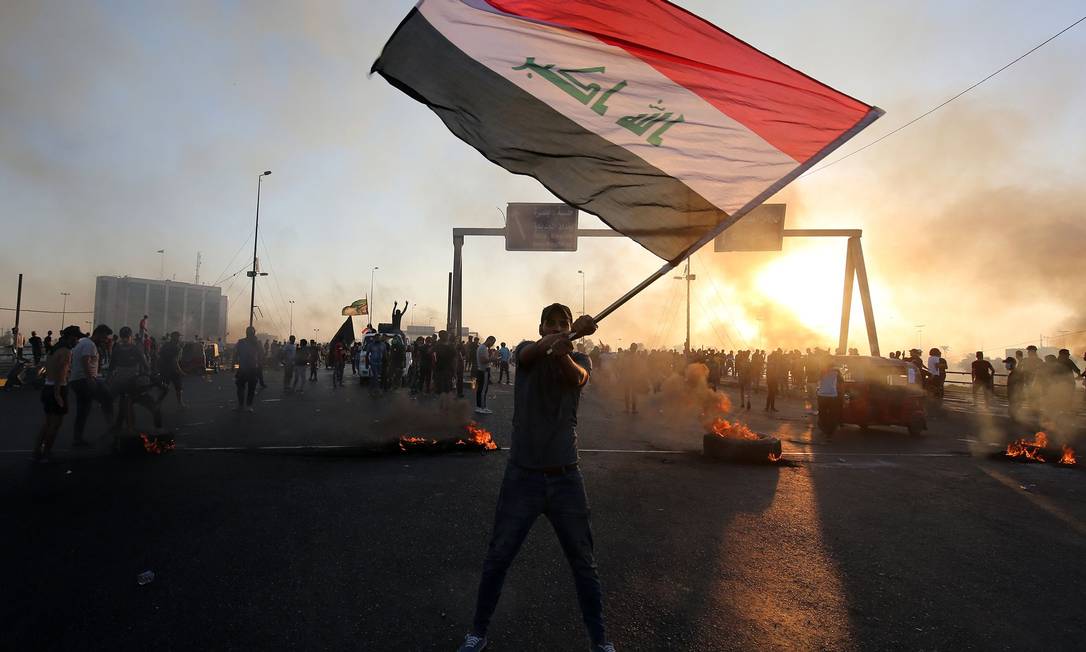
On Nov. 17, Iraq’s election commission announced the final results of the Nov. 11 parliamentary elections. The numbers show a deeply fragmented outcome that makes the upcoming Iraq government formation process likely to be turbulent, prolonged, and prone to creating interim power vacuums that could hamper policymaking and spark clashes among armed groups.
Iraqi Prime Minister Mohammed Shia al-Sudani’s political alliance, the Reconstruction and Development Coalition, secured the largest number of seats in the 329-member legislature, winning a total of 46. The results also list former Prime Minister Nouri al-Maliki’s State of Law coalition with 29 seats, the Shiite Islamist party Al-Sadiqoun with 27 seats, the Sunni-led Taqaddum Party with 27 seats, and the Kurdistan Democratic Party with 26 seats.
What the numbers mean for the Iraq government formation
The spread of seats across many blocs means no single party or straightforward coalition can claim a clear mandate. With 329 seats in parliament, alliances will be essential to form a government, but competing interests among Shiite, Sunni, and Kurdish blocs make those alliances unstable.
After the results were announced, the ruling Shia Coordination Framework (SCF) — a loose alliance of Shiite parties that includes the top three vote-getters — declared itself the largest overall parliamentary faction with… The SCF’s claim signals an immediate contest over who controls the bargaining process for prime minister and key ministries, complicating the Iraq government formation timeline.
Short-term risks: interim vacuums and stalled policymaking
When no government is in place, essential decisions on the economy, security, and public services can stall. That risk is acute in Iraq, where weak institutions and external influence leave room for nonstate actors to exploit gaps. An extended formation process could deepen economic uncertainty, delay budgets, and slow critical reforms.
Security risks rise as armed groups and militias test boundaries during political limbo. Analysts warn the combination of fragmented parliamentary results and competing claims to leadership could, in some circumstances, “create power vacuums in the interim, hamper policymaking and trigger violence among armed groups.” That exact phrasing reflects the central concern facing Baghdad as parties negotiate.
How coalition bargaining is likely to unfold
Expect weeks, possibly months, of intensive bargaining. Parties will jockey for the premiership, cabinet posts, and influence over security institutions. The largest party, with 46 seats, will need partners across sectarian and regional lines to reach a working majority. Kurdish and Sunni groups can act as kingmakers, squeezing concessions from Shiite blocs seeking to hold power.
The complexity of negotiations increases the chance of backroom deals, shifting alliances, and repeated rounds of horse-trading. That dynamic makes the phrase Iraq government formation synonymous with uncertainty for citizens and foreign partners watching for stability.
Regional and international implications
The outcome of Iraq’s government formation matters beyond its borders. Neighboring states and global powers monitor the process for implications on security, energy markets, and regional balance. A weak or fragmented government could undermine Iraq’s ability to manage foreign policy, counterterrorism cooperation, and economic recovery.
For U.S. and allied stakeholders, a drawn-out Iraq government formation increases diplomatic and security challenges, especially if political paralysis limits effective governance. Observers will be watching whether Baghdad can translate the Nov. 11 vote into a stable administration, or whether the post-election period deepens volatility.
In the weeks ahead, the key questions are who will build a viable coalition, how long bargaining will take, and whether interim instability will allow armed groups to expand influence. The final results, and the figures they contain, set the stage for that high-stakes contest.