Finland’s foreign minister on realistic conditions for Russia-Ukraine peace talks, why Moscow may resist settlement, and the limits of presidential leverage
Finland’s Foreign Minister Elina Valtonen told Al Jazeera that while there is interest in pursuing Russia-Ukraine peace talks, any realistic settlement would require clear, enforceable conditions, including respect for territorial integrity, credible security guarantees, and accountability for wartime abuses.
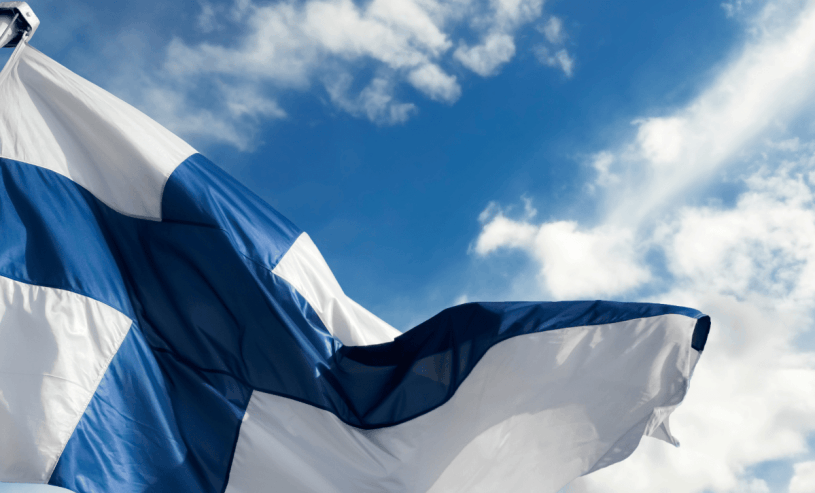
Speaking from a NATO state that shares a long land border with Russia, Valtonen emphasized Finland’s unique perspective on deterrence and the practical demands of a negotiated end to the war. She argued that Europe insists on defined red lines because a fragile or vague settlement would risk renewed aggression, and because civilian populations and allied security interests depend on durable guarantees.
Why Finland’s position matters for Russia-Ukraine peace talks
As a NATO member that borders Russia, Finland brings a frontline security viewpoint to the debate over Russia-Ukraine peace talks. Valtonen explained that deterrence, including NATO posture and national readiness, is a necessary complement to diplomacy. For Finland and other European states, diplomatic conversations cannot be separated from credible military and political measures that prevent any future violations.
Valtonen framed a realistic deal as one that would undo occupation, secure Ukraine’s borders, and embed robust verification mechanisms. Without those elements, she warned that any agreement would be at high risk of collapse, and that Europe would be compelled to maintain strong defensive measures, including the sustained support of NATO allies.
Can Donald Trump bring Putin and Zelenskyy to the negotiating table?
On whether former President Donald Trump could leverage negotiations to convene Russian and Ukrainian leaders, Valtonen expressed skepticism about the degree of influence a single leader can exert over Moscow’s strategic choices. She said that while powerful actors can create openings for talks, the success of Russia-Ukraine peace talks ultimately depends on tangible incentives and pressures that align with the interests of both Russia and Ukraine.
Valtonen noted that effective mediation requires clear objective conditions, independent verification, and an international framework that can implement and enforce terms. In that context, presidential outreach may be useful to open channels, but it cannot substitute for structural solutions such as legal guarantees, economic measures, and credible deterrence.
Frozen Russian assets, reconstruction, and accountability
Valtonen discussed the notion of using frozen Russian assets as part of a post-conflict reconstruction package, suggesting that assets frozen in the wake of the invasion could play a role in funding rebuilding, if legal and diplomatic challenges are addressed. She stressed that any plan to reallocate assets would have to be handled transparently, with clear legal frameworks and international agreement, to avoid precedent problems and ensure fairness.
Beyond reconstruction funding, Valtonen highlighted the importance of accountability measures. For a lasting peace, mechanisms must exist to address war crimes and violations of international law, while also creating pathways for reparations and reconstruction that help Ukrainian communities recover.
Why Europe insists on clear red lines
Europe’s insistence on explicit red lines stems from its proximity to the conflict, and from the lessons of past agreements that lacked enforcement. Valtonen underlined that vague commitments invite loopholes and delay, which in turn can be exploited to rebuild capabilities for renewed aggression. For NATO members and EU partners, clarity is a defensive preference and a political necessity.
In practical terms, those red lines translate into firm demands for Ukraine’s sovereignty, international monitoring, and the preservation of defensive capacities until guarantees are proved credible. Valtonen argued that safe, verifiable steps will be needed to move from battlefield stalemate to negotiated settlement, and that European unity on these issues remains essential.
Overall, Valtonen conveyed a cautious view: while diplomats should continue to explore avenues for Russia-Ukraine peace talks, the conditions for a durable peace are demanding, and Moscow’s willingness to accept those demands remains uncertain. For Finland, and for much of Europe, effective diplomacy must be backed by clear security guarantees, legal measures, and a readiness to use frozen assets and other tools to support Ukraine’s recovery and to deter future aggression.