Israel strikes southern Beirut suburbs as officials say a Hezbollah operative was targeted in Dahiyeh, with injuries, damage, and renewed pressure on Lebanon
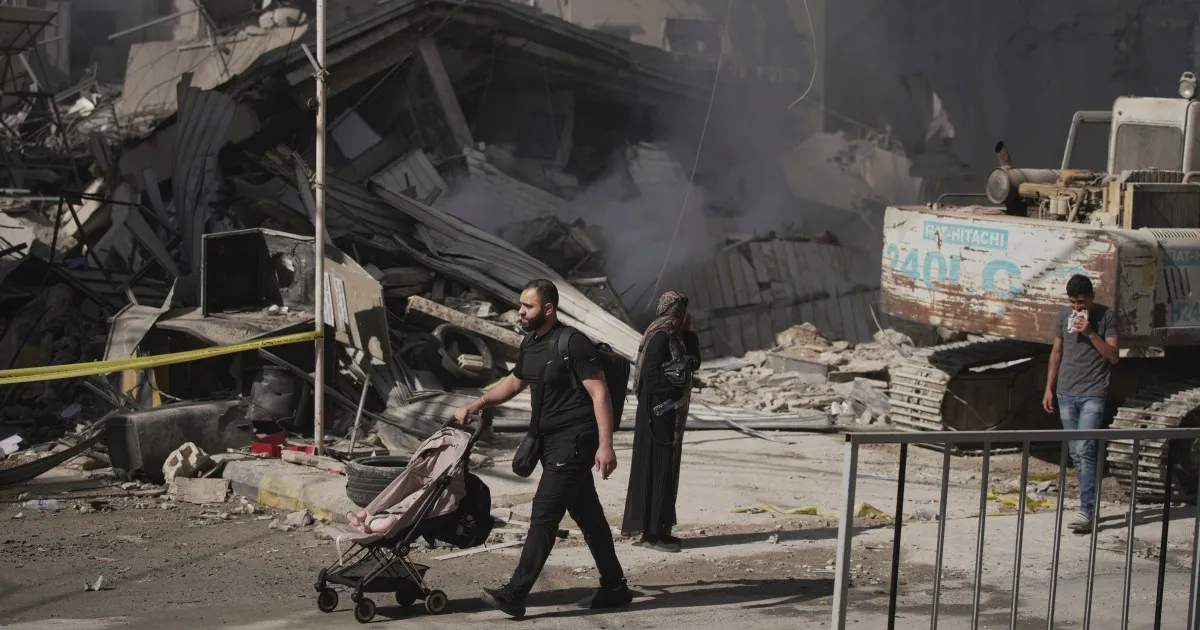
The Israeli military carried out an air attack on the southern suburbs of Beirut on Sunday, saying it struck a Hezbollah operative in Dahiyeh. Local media and officials reported injuries and extensive damage to buildings and vehicles in the busy Haret Hreik neighborhood.
Official statements and local reporting describe a focused strike that follows months of near-daily exchanges along the Israel-Lebanon frontier. The Lebanese National News Agency reported that the strike hit an apartment building in Haret Hreik, and that emergency services moved quickly to treat and evacuate the wounded.
Who was the target, and what did Israeli officials say?
Israeli authorities, and the office of Prime Minister Benjamin Netanyahu, said the strike targeted Hezbollah’s leadership. The statement read, “Israeli Prime Minister Benjamin Netanyahu gave the orders for a strike in Beirut on Sunday that targeted Hezbollah’s “chief of staff”, his office said.” Lebanese and regional media identified the potential target as Haytham Ali Tabatabai, described in reporting as Hezbollah’s chief of staff. According to the sources, Israeli media say the military tried to kill him twice during last year’s war, and that this would represent a third attempt. Hezbollah has not yet confirmed if he was injured or killed.
What happened on the ground in Haret Hreik?
Local reporters described the scene as chaotic and smoky. “Two missiles were fired at the building on al-Arid Street,” the reporting said, and ambulances arrived immediately to transport the injured to nearby hospitals. “A large plume of smoke could be seen in the busy neighbourhood, according to local media.” Videos shared widely on social media show crowds gathering near the impact site, and images indicate significant damage to the apartment block, surrounding structures, and parked cars.
Regional context and recent violence
The strike marks a significant violation of the ceasefire Israel signed one year ago to end the full-blown war in Lebanon. The news comes amid persistent Israeli strikes across southern Lebanon, and a wave of recent attacks that have included deadly hits on civilian areas. “At least 13 people were killed in an Israeli air strike on a Palestinian refugee camp in southern Lebanon this week, according to the Lebanese Ministry of Public Health,” the reporting noted, underscoring how the conflict continues to inflict civilian harm.
Separately, state media reported that a drone struck a car in the parking area of a mosque in the Ein el-Hilweh refugee camp near Sidon earlier in the week. Israel and the United States have both been pressing Lebanon to disarm Hezbollah, and the Lebanese military issued a plan approved by the government in September that would aim to disarm Hezbollah across the country by the end of the year. Israel claims Hezbollah is rebuilding its military capacity in southern Lebanon, claims the Lebanese government denies.
Analysis and reactions, including a local expert view
Observers say the strike sends a message about the limits of Lebanese state protection in the capital. Souhaib Jawher, a nonresident fellow at the Alternative Policy Institute, told Al Jazeera, “I believe that Tabatabai was the one reorganising Hezbollah’s military leadership, and the targeting of the southern suburbs of Beirut is an indication that the Lebanese state has no guarantees against the expansion of such attacks.”
Jawher added, “It is a means of exerting pressure, and there is no destructive decision that constitutes a ground invasion as long as the atmosphere is open to bombing and assassination.” Translated and presented here in English, his comments reflect a concern that strikes inside Beirut risk escalating tensions without clear checks on further attacks.
The attack on the southern Beirut suburbs is the latest in a pattern of strikes that have damaged civilian infrastructure and heightened fear across Lebanon. Officials, analysts, and residents are watching closely for how Hezbollah and the Lebanese state will respond, and whether diplomatic channels can reduce the risk of wider escalation.
As emergency teams continue work in Haret Hreik, hospitals and authorities in Beirut remain on alert, and diplomats in the region say they are monitoring developments closely. The strike renews pressure on Beirut to address security concerns, and on international actors to prevent further attacks that could spiral into broader conflict.