What Is Hezbollah? A clear, readable guide to its origins, leadership, military power, political role, and the recent escalation with Israel.
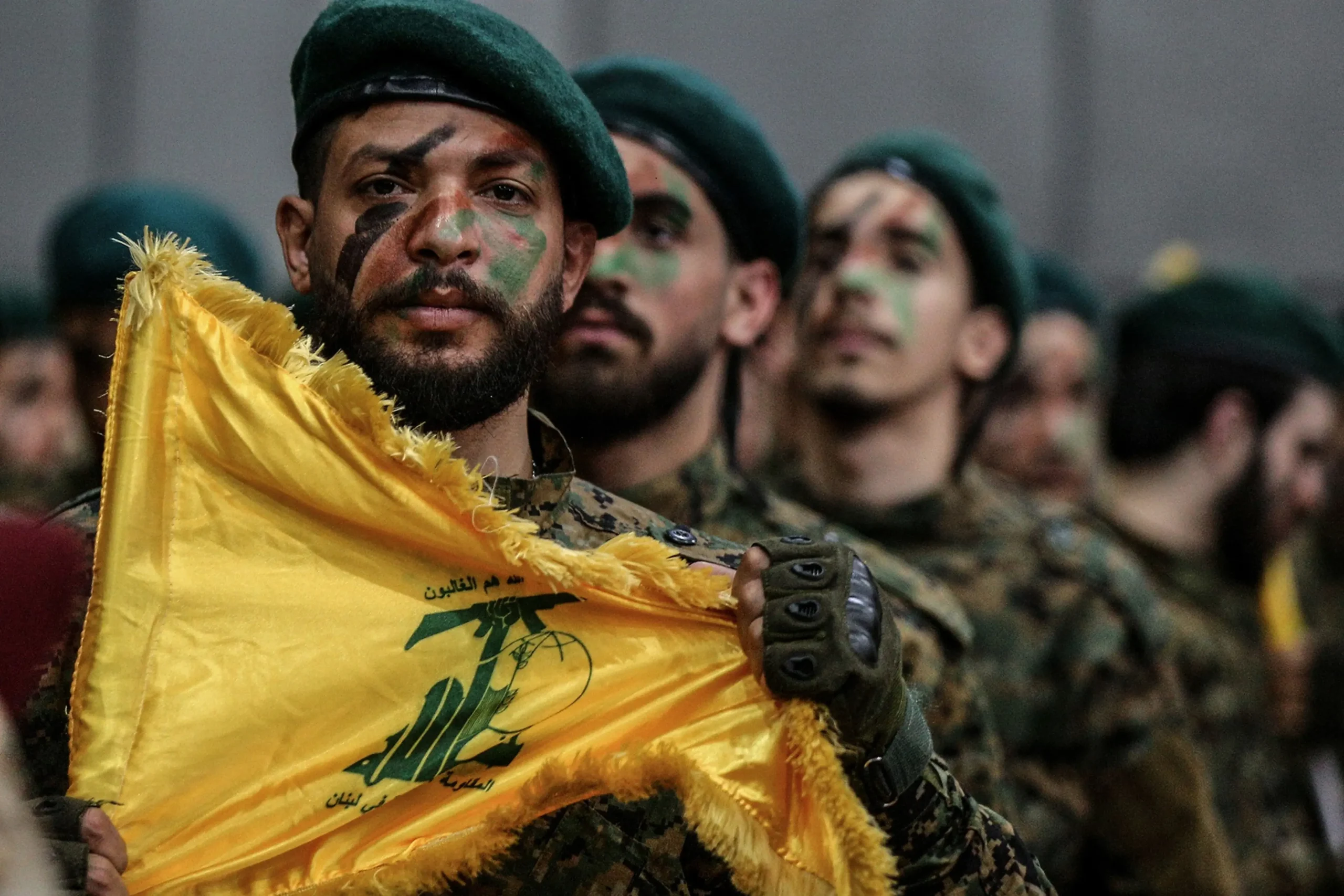
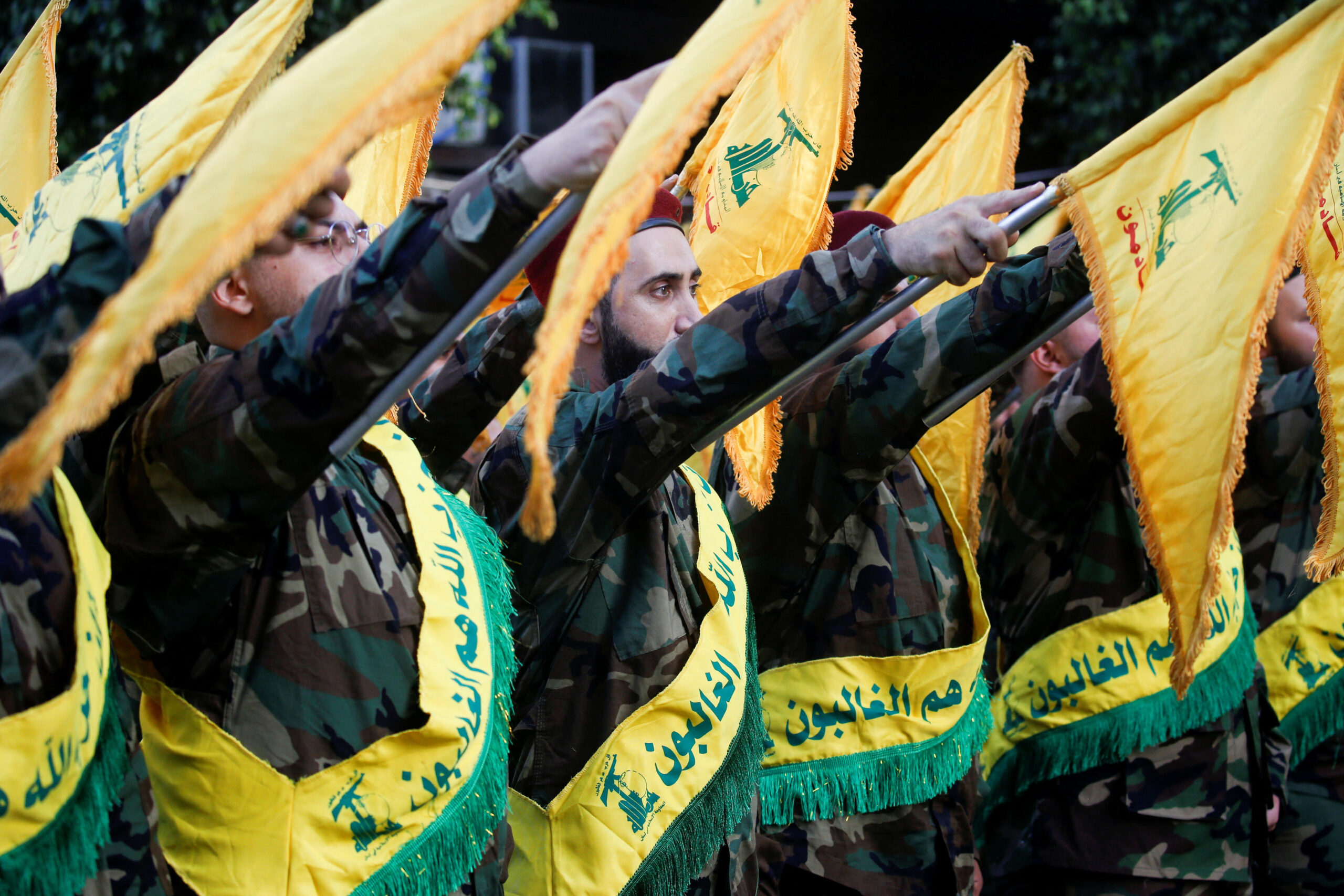
What is Hezbollah? In simple terms, Hezbollah is a Lebanese, Shiite Muslim political party and militant group that has long been described as “a state within a state.” Founded amid the turmoil of Lebanon’s civil war, it grew into an Iran-backed organization whose stated mission includes violent opposition to Israel and resistance to Western influence in the Middle East. The group is considered a terrorist organization by the United States and other governments, and it maintains deep ties to Iran and the Assad regime in Syria.
Origins: born from war, backed by Tehran
Hezbollah emerged during Lebanon’s civil war, which began in 1975 amid sectarian tensions and the armed Palestinian presence. A group of Shiites influenced by Iran’s 1979 Islamic Revolution took up arms against Israel’s occupation of southern Lebanon. Iran and its Islamic Revolutionary Guard Corps provided funds and training to the new militia, which adopted the name Hezbollah, meaning “The Party of God.”
The group’s 1985 manifesto set out an Islamist, Iran-aligned program that pledged allegiance to Iran’s supreme leader and vowed to expel Western powers and destroy the Israeli state. The manifesto also emphasized Lebanese self-determination, but Hezbollah’s operations have never been confined to Lebanese borders.
Hezbollah’s early record includes attacks on rival militias and foreign forces, most notably the 1983 suicide bombing of barracks housing U.S. and French troops in Beirut, which killed more than three hundred people. Over time Tehran turned Hezbollah into a key regional proxy, linking Arab Shiites to Persian influence, and enabling Iran to project power across the Levant.
Leadership and internal structure
Hassan Nasrallah, who rose as Hezbollah’s leader in the early 1980s, shaped the group into a formidable nonstate military and political actor for more than three decades. As CFR Senior Fellow Bruce Hoffman observed, “Among Nasrallah’s most important achievements was enmeshing Israel in an enervating war that in May 2000 prompted the unilateral withdrawal of Israeli forces from south Lebanon, ending its eighteen-year-long occupation,” a campaign that cemented Hezbollah’s image as the country’s most effective armed force.
Nasrallah oversaw a layered command, including a seven-member Shura Council and subcouncils for politics, military operations, parliament, executive functions, and judicial matters. His death in an Israeli strike in September 2024 was a major blow. As Hoffman put it, “Nasrallah’s death is a crushing blow,” writes Hoffman, “there are no clear successors to Nasrallah given his unique and unrivaled stature at the top of the movement.”
After a short interim period led by longtime deputy Naim Qassem, Qassem was selected as secretary-general in late October. Reports indicate leadership losses continued, with other senior figures killed or forced into hiding, complicating Hezbollah’s ability to mobilize effectively.
Political role and social services in Lebanon
Since 1992, Hezbollah has been a fixture in Lebanese politics, winning parliamentary seats and holding cabinet positions. The party’s 2009 manifesto softened some Islamist rhetoric and called for “true democracy,” signaling a more conventional political posture even as it retained an armed wing.
In areas it controls, Hezbollah functions much like a parallel state. It operates schools, clinics, infrastructure projects, and social programs that help sustain community support among Shiite and some non-Shiite Lebanese. Still, polling shows limited broad popular support nationwide; analysts note that while Hezbollah has significant influence, relatively few Lebanese back it wholeheartedly.
Military capabilities, arsenal, and regional ties
Hezbollah is widely regarded as the dominant military force in Lebanon. Numbers are disputed: In 2021, Nasrallah said the group had 100,000 fighters, although analysts consider that figure likely exaggerated. The U.S. State Department in 2022 estimated there were “tens of thousands of supporters and members worldwide.” Other analysts more recently have suggested force levels around 40,000–50,000.
Under the Taif Agreement that ended Lebanon’s civil war, Hezbollah was the only militia allowed to remain armed. Military analysts have described its arsenal as vast, with one 2018 report calling Hezbollah “the world’s most heavily armed non-state actor.” In June 2024, experts speculated Hezbollah had 150,000–200,000 rockets and missiles of various ranges, a stockpile that Tehran has helped supply along with training and funding.
Iran remains the primary patron, sending hundreds of millions of dollars, weapons, and training. Syria has also been a logistical conduit, allowing transfers and cooperation that deepened during the Syrian civil war, when Hezbollah sent thousands of fighters to assist the Assad regime and its allies.
Confrontation with Israel, global reach, and international reactions
From its first clashes with Israeli forces during occupation, Hezbollah has identified Israel as its principal enemy. The group has been blamed for attacks abroad, including the 1994 car bombing in Argentina that killed eighty-five people. It has repeatedly exchanged fire with Israel, notably in the 2006 war that saw Hezbollah fire thousands of rockets into northern Israel.
The United States designated Hezbollah a foreign terrorist organization in 1997, and it continues to target the group’s finance and leadership with sanctions. The European Union designated Hezbollah’s military wing a terrorist group in 2013, and some countries, including the United Kingdom and Germany, later proscribed the whole organization. Gulf states also consider Hezbollah a terrorist group, and international efforts have targeted its financing networks.
Hezbollah’s own manifesto states, “The American threat is not local or restricted to a particular region, and as such, confrontation of such a threat must be international as well.” That line underscores the group’s self-view as an actor with global reach on issues it deems strategic, and it helps explain why Western states treat Hezbollah as more than a Lebanese faction.
Recent escalation and humanitarian toll
Tensions with Israel spiked after Hamas’s October 2023 attack on Israel. Hezbollah launched rockets, mortars, and drones across the Israel-Lebanon border in a show of solidarity with Hamas, forcing tens of thousands of Israelis to flee homes near the border. Clashes intensified through 2024, with Israel blaming Hezbollah for missile strikes and moving to target the group’s infrastructure and leadership.
In late 2024, Israel killed Hassan Nasrallah in an air strike and thereafter launched a ground offensive into southern Lebanon aimed at pushing Hezbollah away from the border. Lebanese authorities reported heavy civilian costs; they said Israel’s bombardments “had killed more than 2,500 people and displaced more than one million since it stepped up its campaign against Hezbollah in late September.” The scale of destruction has heightened fears of a wider regional war, and analysts warn that leadership losses and degraded communications may reduce Hezbollah’s ability to sustain coordinated operations, at least in the short term.
Hezbollah’s future will rest on several uncertain variables: its remaining leadership cohesion, continued Iranian support, the Lebanese state’s capacity to assert control, and how the wider region responds to further escalation. For many Lebanese, Hezbollah remains both a provider of services and a source of instability, a dual role that complicates any effort to demilitarize the group without risking broader conflict.
Understanding what Hezbollah is therefore requires seeing it as a hybrid actor, part political party, part social services network, and part heavily armed militia. Its local roots, regional alliances, and international reach make it one of the most consequential nonstate forces in the Middle East today.