What the newly signed law means for the Epstein files, what will be released, and what could happen next as politicians and survivors react
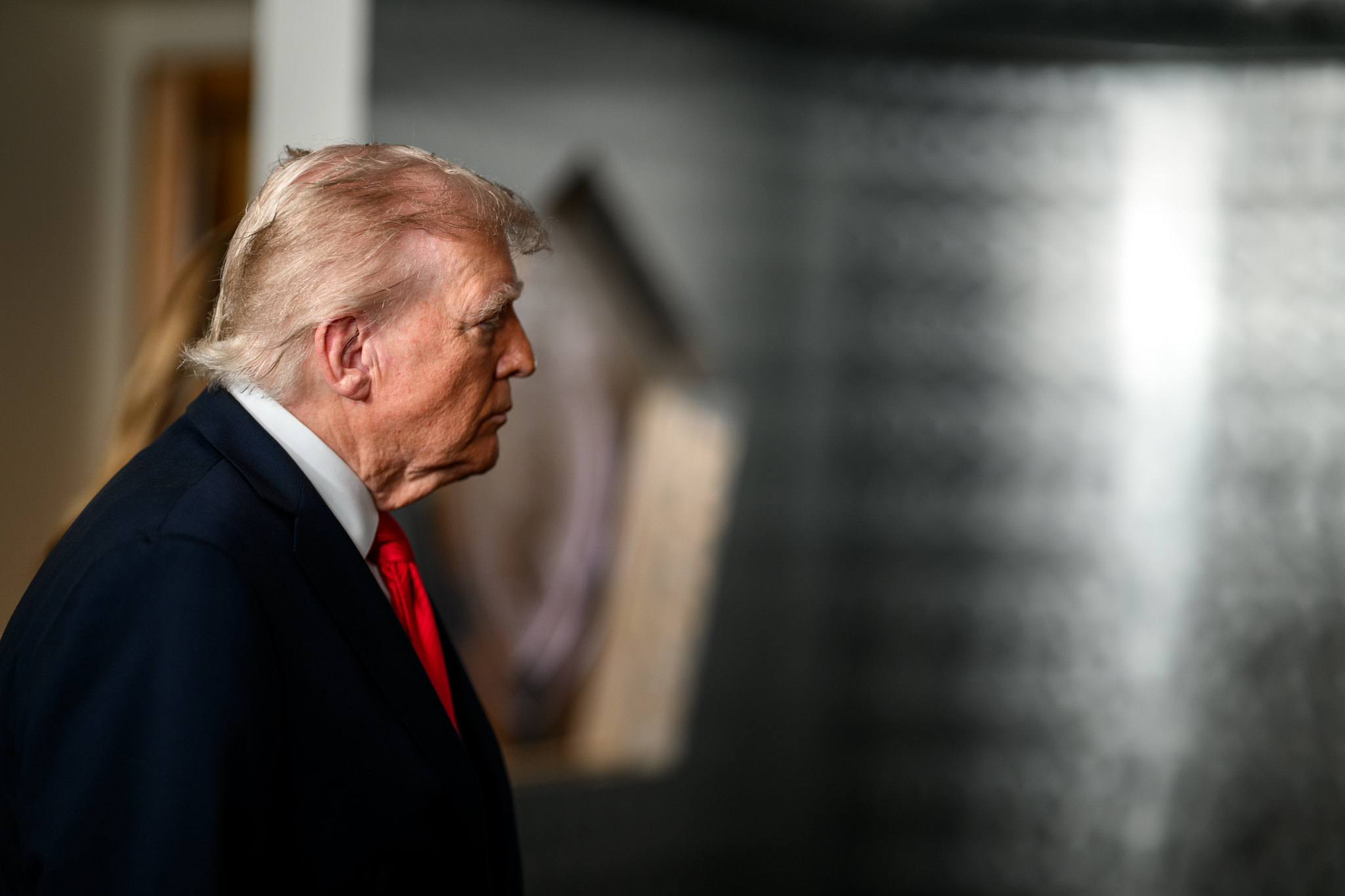
President Donald Trump on Monday signed into law a measure to disclose a broad collection of documents tied to Jeffrey Epstein, declaring on Truth Social that, translated to English, “Maybe the truth about those Democrats and their associations with Jeffrey Epstein will be revealed soon, because I JUST SIGNED THE BILL THAT RELEASES THE EPSTEIN FILES!”
How the law moved through Congress, and what it covers
The bill did not strictly need to pass Congress, because the president could have ordered release of federal records. Still, the House approved the measure by 427 votes to 1, and the Senate gave unanimous consent as soon as the text arrived, sending it to the president’s desk. The documents due to be made public include criminal investigative records, such as interview transcriptions with victims and witnesses, items seized during searches of Epstein’s properties, internal Department of Justice communications, flight logs, and names of people and entities connected to Epstein.
Officials and advocates say the collection is separate from the roughly 20,000 pages of materials from Epstein’s estate that Congress released last week, some of which already referenced Mr. Trump. Among the estate documents were messages attributed to Epstein from 2018 that, translated to English, read, “I am the only one capable of taking him down” and “I know how dirty Donald [Trump] is”. Those remarks are now part of the public record, but supporters of additional disclosure argued that more comprehensive files held by law enforcement could reveal a broader picture.
Reactions from survivors, family members, and lawmakers
The family of Virginia Giuffre, who died by suicide earlier this year, called the president’s signing “nothing less than phenomenal,” saying, “As we look to the next chapter, we remain vigilant. This work is not done. Every name must be revealed, regardless of power, wealth or party affiliation.” The statement from Giuffre’s brother and sister-in-law, Sky and Amanda Roberts, framed the law as a potential step toward accountability for survivors.
Mr. Trump has repeatedly said he knew Epstein as an acquaintance years ago, but that they had a falling out in the early 2000s, two years before Epstein’s first arrest. He has denied any wrongdoing, and when speaking to reporters on Monday night he told journalists that Republicans “do not have anything to do with Epstein”, and that, “It’s really a problem of the Democrats. The Democrats were friends of Epstein, all of them.”
Not all lawmakers are confident every document will reach the public. Representative Thomas Massie, one of the bill’s cosponsors, warned he is concerned that parts of the files could still be withheld. Translated to English from his remarks, he said, “I’m worried that [Trump] is opening a flood of investigations, and I believe they may try to use those investigations as justification not to disclose the files. That is my concern.”
Where the Epstein files could lead next
Lawyers, survivors, and some members of Congress hope the disclosed materials will identify previously unknown associates, show the scope of Epstein’s activities, and reveal any internal government communications about the handling of his case. The records promised under the new law are expected to include sensitive investigative material, which could lead to new inquiries, civil suits, or further public scrutiny of people who had ties to Epstein.
At the same time, there are practical limits. Some records could be redacted to protect ongoing investigations, privacy interests, or grand jury secrecy. Representative Massie’s concern reflects a broader worry among transparency advocates that authorities might cite pending probes or other legal exceptions to withhold portions of the files.
Broader political and institutional fallout
The disclosure push is already prompting consequences. On Wednesday, Harvard said that former university president Larry Summers had stepped away from his teaching duties while the school investigates his ties to Epstein after a series of friendly email exchanges with him were revealed. Epstein’s network included a range of high-profile figures across politics, finance, media, and royalty, such as Andrew Mountbatten Windsor, Donald Trump, Steve Bannon, and former president Bill Clinton.
Epstein was arrested in 2019 on federal sex trafficking charges and was found dead in his New York jail cell that year, a death the medical examiner ruled a suicide. He had previously been convicted in 2008 for soliciting a minor for prostitution. The newly slated disclosures could shed more light on the extent of his contacts and on decisions made by law enforcement and others during investigations into his activities.
The signing of the bill ensures that a substantial tranche of government-held Epstein records will reach the public domain, but how complete that release will be, and what it will trigger, remains uncertain. Survivors’ relatives, lawmakers, and transparency advocates say they will be watching closely, insisting that every name tied to Epstein be brought to light, regardless of influence, money, or party affiliation.