Business optimism and diplomatic caution collide as the Brazil-U.S. rapprochement raises hopes for trade and investment, while officials flag persistent uncertainties
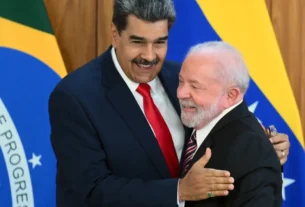
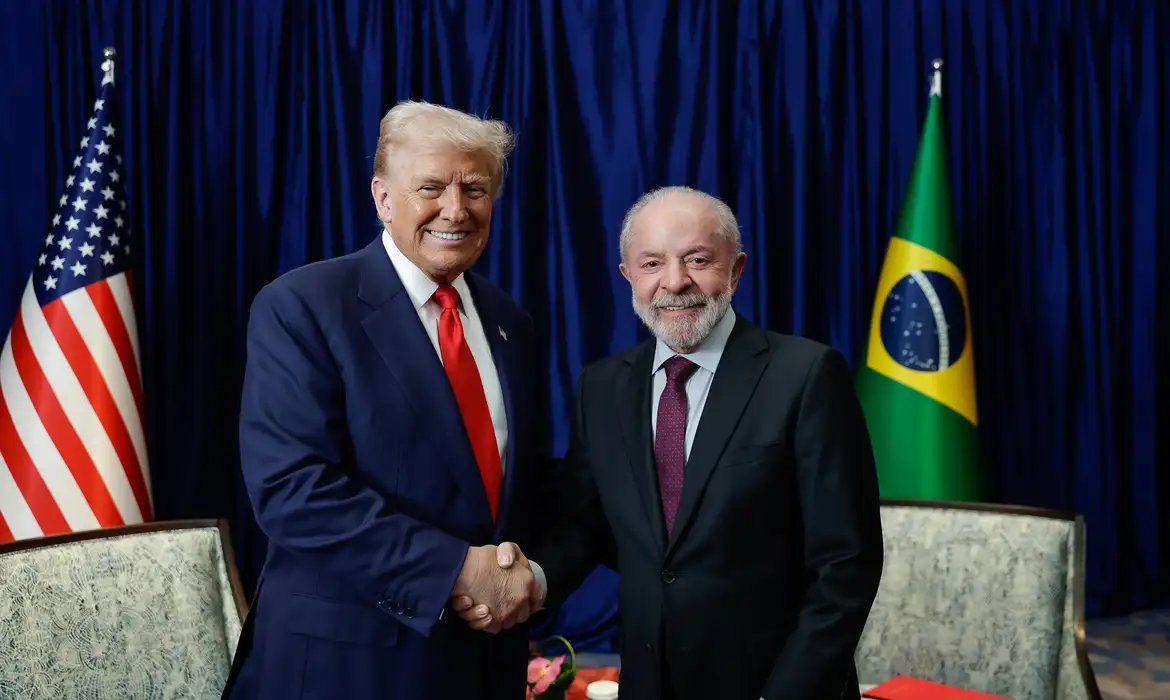
The recent gesture of warming between Presidents Lula and Trump has sparked cautious enthusiasm in Brasília and Washington, and the discussion now centers on what a deeper Brazil-U.S. rapprochement would actually mean. On one side, Brazil’s productive sector is openly welcoming the move as a potential catalyst for trade and investment. On the other side, career diplomats and foreign policy experts are reminding observers that a restart of high-level dialogue comes with real uncertainties, logistical hurdles, and political conditions that could slow results.
Local reporting summed up the split succinctly, stating, “The productive sector views the gesture of rapprochement between Lula and Trump favorably, but diplomacy warns of uncertainties in the resumption of dialogue.” That formulation captures both the immediate economic hopes and the sober institutional assessment that follow any sudden thaw in bilateral relations.
What businesses expect from a Brazil-U.S. rapprochement
Brazilian exporters, particularly in agribusiness and commodities, see an opening to reduce trade frictions and expand access to U.S. markets and capital. Private-sector groups are pushing for clearer trade protocols, quicker approvals for agricultural products, and improved conditions for U.S. companies seeking to invest in infrastructure and energy projects in Brazil. For many in the private sector, a visible improvement in bilateral ties could translate into concrete deals, faster licensing processes, and renewed investor confidence.
At the same time, U.S. businesses are watching regulatory and legal certainty closely. Companies often say that what matters most is predictable rules, stable enforcement, and transparent procurement practices. Those are precisely the elements that take time to negotiate, even after leaders send positive signals at the top.
Why diplomats say uncertainty remains
Diplomats point out several reasons to temper expectations about the pace and depth of a revived relationship. First, formal negotiations on trade, data flows, or security cooperation require detailed technical work that cannot be completed by goodwill alone. Second, domestic political calendars in both countries can limit how much either capital is willing to commit. Third, differences in policy priorities, from climate enforcement, to Amazon conservation, to regional alliances, may complicate immediate alignment.
Those structural factors are why officials emphasize that a gesture of rapprochement is a beginning, not a guarantee. The phrase translated from local coverage, “The productive sector views the gesture of rapprochement between Lula and Trump favorably, but diplomacy warns of uncertainties in the resumption of dialogue,” underscores that mismatch between public excitement and institutional caution.
Five areas to watch as the Brazil-U.S. rapprochement unfolds
Observers should track several concrete domains where movement is most likely, or most consequential. First, trade facilitation and sanitary approvals that could boost agricultural exports. Second, energy cooperation, including liquefied natural gas and renewables, where both countries have commercial interest. Third, investment flows into infrastructure and technology, which depend on legal certainty and financing arrangements. Fourth, environmental and climate dialogue, especially regarding the Amazon, which will shape international reputational and funding dynamics. Fifth, security and hemispheric cooperation, where shared interests may drive practical collaboration despite political differences.
What comes next and why it matters
For the private sector, the immediate test will be tangible signals—appointments, trade missions, memoranda, or eased paperwork—that suggest business opportunities will follow the diplomatic thaw. For diplomats and policy specialists, the track to sustainable cooperation requires institutional channels, technical teams, and time. That combination of market appetite and bureaucratic caution will shape the pace and reach of the Brazil-U.S. rapprochement.
In short, the current moment is notable for its potential, and for the gap between expectation and execution. The productive sector’s positive reception reflects a desire to convert diplomatic gestures into economic gains. Diplomacy’s warnings remind both capitals that turning goodwill into policy takes negotiation, compromise, and follow-through. Watching how the two sides translate signals into concrete measures will determine whether the Brazil-U.S. rapprochement becomes a durable alignment, or a temporary window of opportunity.