Why the U.S. invasion of Venezuela has been limited to pressure, naval forces, and covert tools, as Washington weighs oil, guerrilla risk, and diplomatic costs
At first glance, American actions near Venezuela in 2025 look like the prelude to a large war, but so far they have not become one. The question of a U.S. invasion of Venezuela keeps returning because of the dramatic signals Washington has sent, and because those signals mix hard power with restraint.
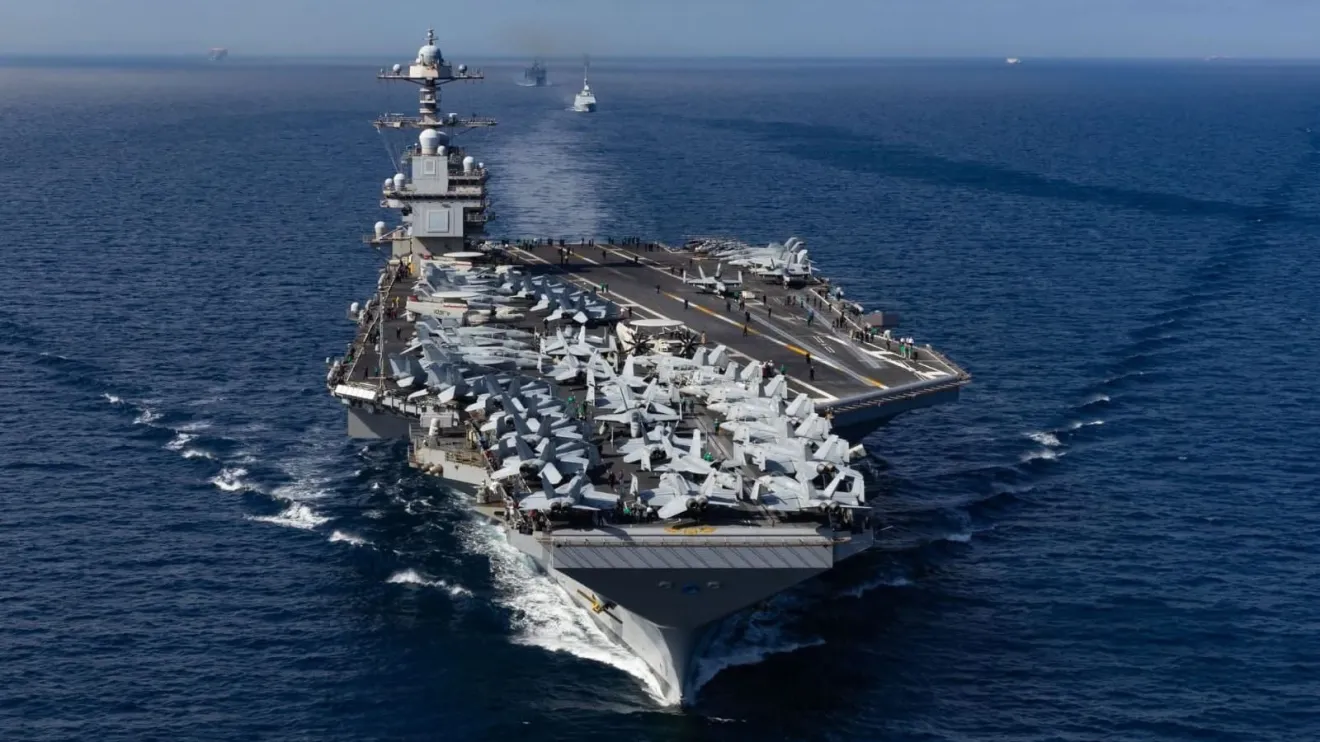
Since August 2025, the U.S. has escalated its naval presence in the Caribbean. According to Reuters, three Aegis-guided missile destroyers (USS Gravely, Jason Dunham, and Sampson), about 4,000 sailors and Marines, P-8 surveillance aircraft, a nuclear submarine, and other assets were deployed. Additionally, the USS Gerald R. Ford carrier strike group has been sent into the region.
President Trump recently said he “has not ruled out” putting U.S. forces on the ground in Venezuela, yet he also expressed a willingness to talk to Nicolás Maduro directly. That mix of public threats and openness to talks signals a strategy aimed at coercion, not immediate occupation. The pattern is clear, a scaffold of force, while keeping political options alive.
Military posture, coercion, and the political objective
Washington appears to prefer to use the visible threat of military power to extract concessions. As Al Jazeera political scientist Carlos Pina argued, “the main option for the U.S. … is not to carry out any armed attack but to apply enough pressure for Nicolás Maduro to resign and hand over power peacefully.” That sentiment matches other moves on the ground. The U.S. is building leverage with ships, aircraft, and public pressure, hoping a threatened but restrained posture will push Caracas toward a negotiated solution or internal collapse, rather than a bloody invasion and occupation.
[poll id=”2″]
The logic is straightforward, and brutal. A full invasion could topple a regime, but it could also create long-term chaos, costly occupation, and deep regional backlash. For many in Washington, the goal is to engineer change without paying the political, military, and financial price of an open, protracted war.
Why guerrilla risk and asymmetric defense deter a full-scale invasion
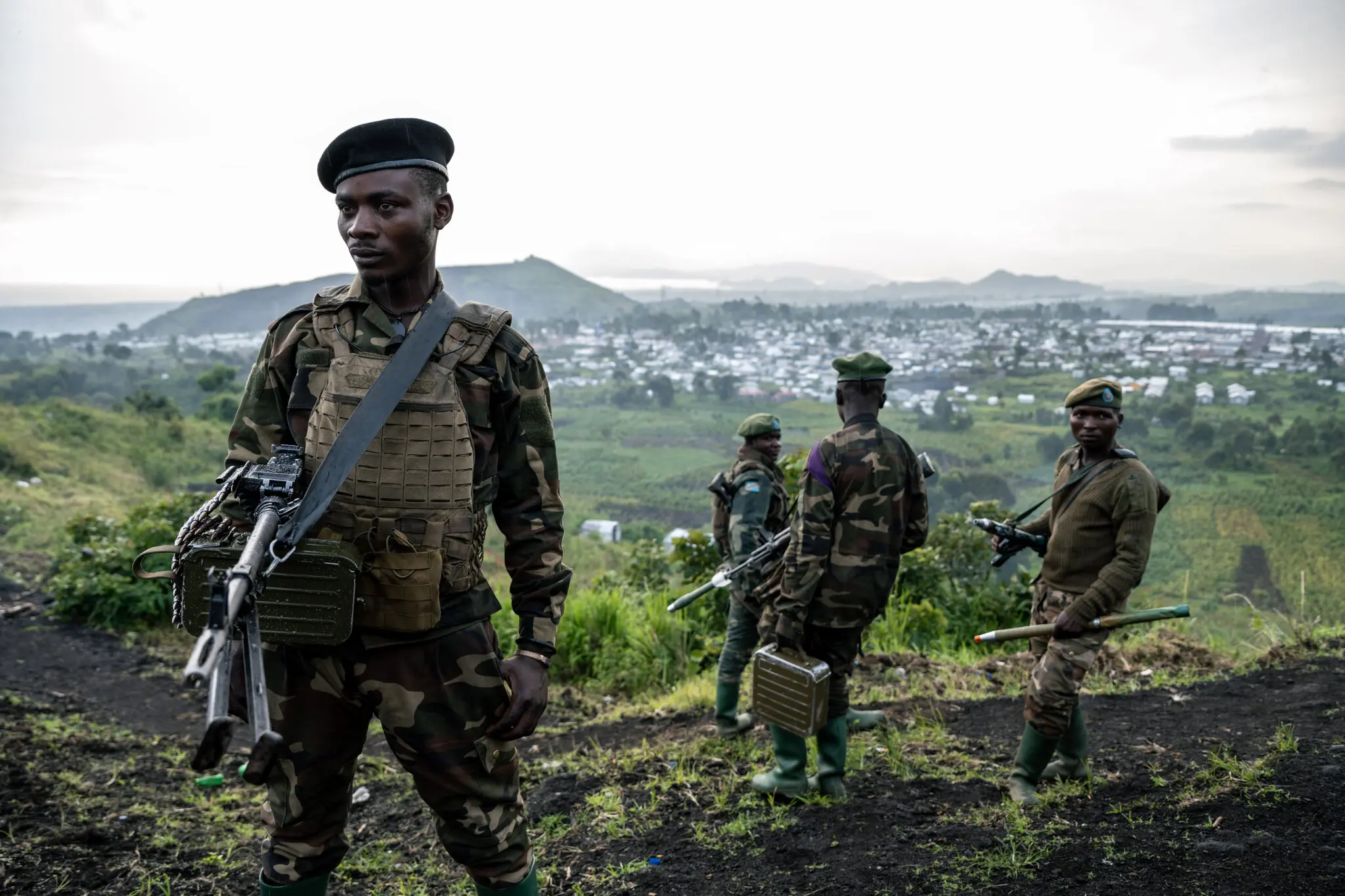
Venezuela’s own defense planning complicates any invasion calculus. Reporting by Reuters highlights that Venezuelan military planning documents envision a guerrilla-style response in case of an attack, relying on irregular warfare to make any invasion costly. Caracas has also mobilized civilian militias and can use older, effective Russian-made weapons to prolong resistance.
From a U.S. perspective, that raises the specter of a long, ugly conflict where territory may be seized but control is elusive. The historical memory of Vietnam and of recent messy interventions is fresh in policy circles. The risk of a protracted asymmetric campaign, with high U.S. casualties and political costs, is a major brake on the impulse to invade.
Geopolitics, oil, and the risk of wider confrontation
Venezuela matters far beyond its borders because of its oil reserves, and because of its alliances. Analysts note that behind the Trump administration’s stated war on drugs lies a broader ambition, that “overthrowing Maduro could disrupt Venezuelan oil flows, especially to Cuba, and thus reshape long-standing energy-geopolitical alliances,” according to Foreign Policy. Any military move that destabilizes oil production risks jarring global energy markets and invites political fallout.
The Economist warns that the buildup risks repeating the “mistakes of the ‘war on terror’,” by dragging the U.S. into long conflicts under the pretext of other goals. Venezuela’s ties to Russia, Iran, and Cuba also raise the possibility of proxy responses and diplomatic confrontation, further increasing the potential costs of an invasion.
Covert tools, legal constraints, and the value of Maduro alive
The U.S. is not limited to conventional military options. AA (Anadolu Agency) reported that Trump authorized the CIA to prepare plans for covert operations in Venezuela. That suggests an axis of strategy where public pressure and overt deployments are combined with clandestine efforts to weaken Maduro’s hold from within. Covert tools allow Washington to pursue change while avoiding the overt legal and diplomatic costs of invasion.
There are also significant legal and diplomatic constraints. Critics warn that a large strike or invasion could violate international law and provoke a regional diplomatic crisis. The Tricontinental Institute has raised a “red alert,” calling the moves potentially preparatory to a military assault. At home, Congress and public opinion would also be important checks on any plan that looks like naked regime change without legal cover.
Keeping Maduro alive may itself be a strategic choice. Analysts suggest that Maduro could be more useful as a bargaining chip, whether for a negotiated exit, intelligence extraction, or to shape a managed transition. Foreign Policy argues that the U.S. may well be aiming for “regime collapse, not change,” meaning American planners might prefer an internal unraveling produced by pressure, not an abrupt, violent overthrow that creates a vacuum.
The drug narrative, used publicly by the administration to justify strikes on vessels and to brand criminal threats, also helps create a legal and political pretext, even as many observers see broader geopolitical aims at play. There is debate about how tightly criminal networks are linked to the state, and whether focusing on narco-trafficking masks ambitions over oil and regional influence.
Timing, negotiation, and the costs of overreach
The U.S. posture reads like a long chess game. By signaling readiness to use force, delegating some action to covert agencies, and leaving space for diplomacy, Washington preserves options. Maduro, for his part, blends defiance with offers to negotiate, mobilizing militia forces to raise the cost of any attack, while signaling possible pathways to a deal.
For U.S. policymakers, the key calculation is whether the threat of force, combined with clandestine pressure, can bring about a favorable outcome without triggering a costly war. A full-scale invasion might win militarily, but it could lose politically, economically, and diplomatically for years to come. That is why the question of a U.S. invasion of Venezuela has produced so much saber-rattling, but so little commitment to outright invasion.
In short, a combination of guerrilla risk, oil geopolitics, legal limits, regional backlash, and the availability of covert options helps explain why Washington has so far chosen pressure over a full invasion. The U.S. appears to be betting that keeping Maduro alive and contained, while escalating costs, will lead to a managed outcome that delivers strategic gains, without the open wounds of a large conventional war.