A clear timeline of The Nisour Square Massacre, the ‘Raven 23’ shooting, the convictions including Nicholas Slatten, and why accountability gaps still matter
On the afternoon of September 16, 2007, a convoy of armored vehicles contracted by the U.S. government entered a busy Baghdad traffic circle and left a scene that many Iraqis remember as irreversibly changed. The Nisour Square Massacre became one of the most controversial episodes of the Iraq War, sparking investigations, courtroom battles, and a long debate over the use of private military companies.

The convoy, the shooting, and immediate human toll
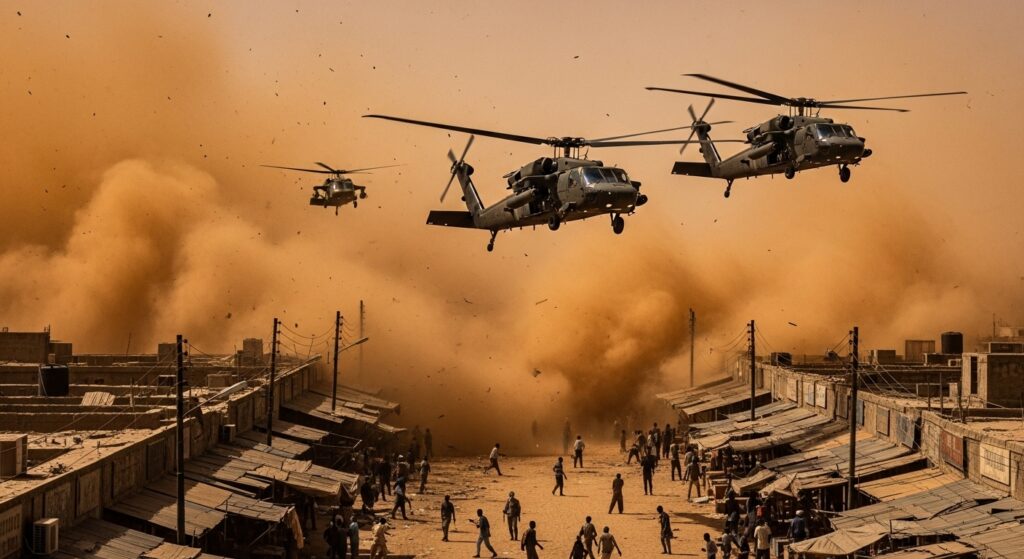
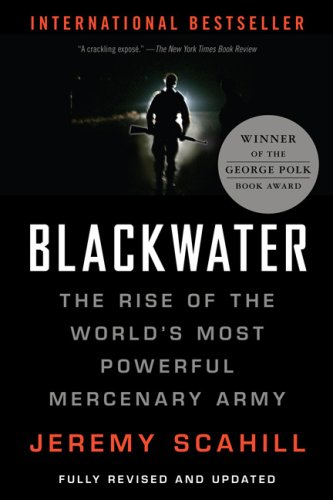
In the hours after a car bomb exploded elsewhere in the city, a Blackwater tactical support team known as “Raven 23” was sent to secure the area around Nisour Square. Reporting at the time captured the scale of the human tragedy, and investigators later summarized the immediate outcome with stark language. As reported, “Within minutes, at least 14 Iraqi civilians were dead, though some reports at the time placed the number as high as 17.” Among the dead was a nine-year-old boy sitting in the back seat of his father’s car.
Survivors and witnesses described scenes of panic, burning cars, and frantic attempts to escape. One witness told investigators the shooting felt like “a horror movie,” and accounts included graphic injuries and desperate rescues. The violence lasted approximately 15 minutes, long enough for military investigators to treat the episode as a sustained, not momentary, use of overwhelming force.
What investigations found, and the disputed claims
Multiple lines of inquiry brought conflicting narratives into focus. Blackwater personnel said their convoy had come under small-arms fire and that they responded according to their rules of engagement. Independent reporting, forensic analysis, and military dispatches painted a different picture. No independent investigation was able to confirm that insurgents fired at the convoy, and witnesses and arriving U.S. soldiers described civilians fleeing and vehicles riddled with bullets.
Human rights organizations compiled testimony that suggested a pattern of excessive force by contractors across Iraq, and the Nisour Square events fit that pattern. Investigators treated the sustained gunfire, the number of casualties, and the types of damage to vehicles and surroundings as evidence that the response was disproportionate to any perceived threat.
Legal battles, convictions, and political reversals
The legal aftermath was prolonged and complicated by early policy choices. The wartime decision encapsulated in Coalition Provisional Authority Order 17 limited Iraq’s ability to prosecute contractors, creating an early legal shield that inflamed Iraqi public opinion. In the United States, prosecutors hesitated, courts debated procedures, and the case moved through dismissals, appeals, and retrials.
Eventually, the Department of Justice secured convictions. As reported, “four contractors were convicted—three for manslaughter and weapons charges, and one, Nicholas Slatten, for first-degree murder.” Sentences ranged from 12 years to life, a mix that generated debate on proportionality and justice for victims. The legal process, however, did not end with those verdicts. In 2020, presidential pardons tied to the case reopened wounds and raised fresh concerns about the durability of accountability in cases involving private force.
Why the incident still matters in 2025
The Nisour Square episode is not only an historical tragedy, it is a living lesson about the modern use of outsourced military power. In the years since 2007, private military and security companies have expanded their operations across the globe, from Afghanistan to the Sahel, and into new theaters where Western governments seek deniable or low-profile capabilities.
At the heart of the debate are three linked problems. First, contractors often operate in a legal gray zone, outside the normal military chain of command, and not fully subject to host-nation or U.S. military law. Second, oversight has frequently lagged behind operational demand, allowing toxic practices to repeat. Third, political decisions can reverse accountability, as the 2020 pardons reminded observers, leaving victims and communities without recourse.
For Iraqis who lost family members and for human-rights advocates, the case represents more than misplaced rules of engagement. It symbolizes a structural failure. Families whose lives were devastated by the shootings still seek recognition and redress, and for many, the episode remains a clear example of how private force can cause civilian harm when not paired with robust oversight and transparent accountability.
Lessons and the path forward
The essential takeaway from the Nisour Square events is straightforward, and painfully relevant. Nations that rely on private military companies must build clear legal frameworks, enforce strict rules of engagement, and ensure independent investigation and prosecution when civilians are harmed. Without those mechanisms, the incentives of profit, speed, and deniability can lead to catastrophic outcomes.
Reforms since 2007 have changed some procedures and increased scrutiny of contractors, but the core questions remain: who monitors private armed actors, how are they held to account, and how do democratic governments prevent a repeat of tragedies like Nisour Square? The answers will shape not only U.S. policy, but the evolving norms of how wars are fought in the 21st century.
Nearly two decades on, the memory of that September day endures as both a human tragedy and a policy warning. For the victims and their families, the events will not be undone. For policymakers, the incident demands a persistent commitment to transparency, legal clarity, and the protection of civilians whenever private force is used overseas. Those are the measures that can help ensure that the lessons of Nisour Square remain lessons, not prelude.