Shadow Contracts expose the quiet, expanding private force that secures CIA black sites, rendition flights, and covert bases around the world
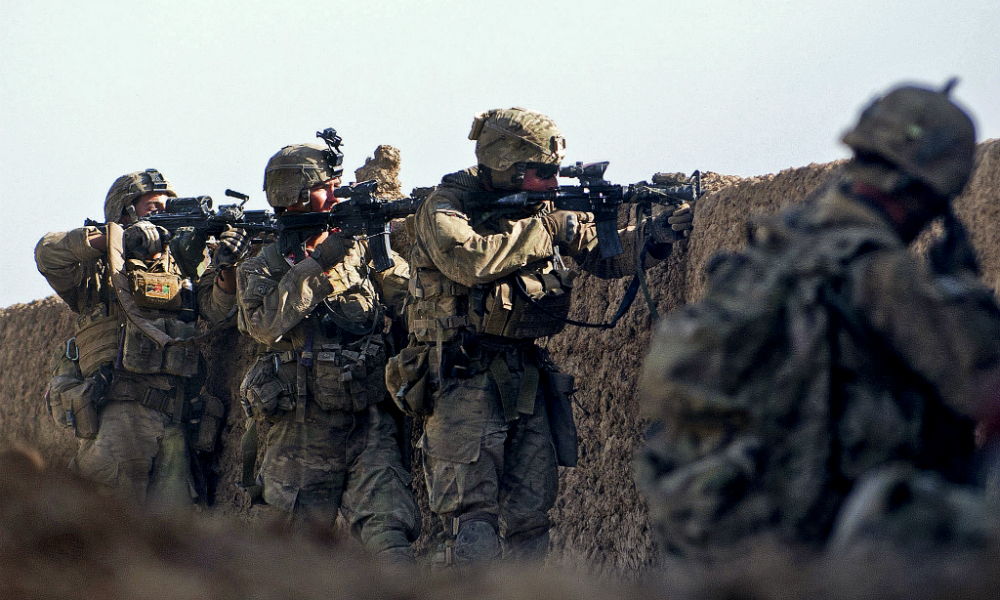
Across a widening global footprint where maps stop and secrecy begins, a growing class of private security operators has become essential to American covert power. These Shadow Contracts pay former Navy SEALs, Marines, Army Special Forces operators, and intelligence-trained security specialists to guard facilities and operations the United States will not publicly acknowledge. They work behind blast walls and biometric gates at sites that officially “do not exist”, on aircraft that move detainees across borders, and alongside case officers in cities where U.S. presence must remain invisible.

How this market grew, and why it matters
The origin of today’s private security ecosystem dates to the early 2000s, as U.S. counterterrorism operations ballooned. The CIA needed bodies to secure detention sites, safehouses, and logistics hubs around the globe, but as an intelligence agency, it does not maintain infantry. Government reporting, congressional reviews, and major media investigations show that what began as a niche, outsourced task rapidly became institutionalized.
One turning point was the rise of Blackwater, a company “founded by former Navy SEAL Erik Prince”, that proved a model for rapid, deniable deployment. The company’s notoriety, including the 2007 “Blackwater Nisour Square massacre”, crystallized the dangers of privatized force, yet the model itself propagated across dozens of firms, including Constellis/Academi, Triple Canopy, SOC, G4S Government Solutions, Amentum, and Northbridge Services Group. Today, these companies recruit aggressively from special operations communities, offering high pay and missions that blend security, logistics, and protective services for the intelligence world.
What contractors do inside Shadow Contracts
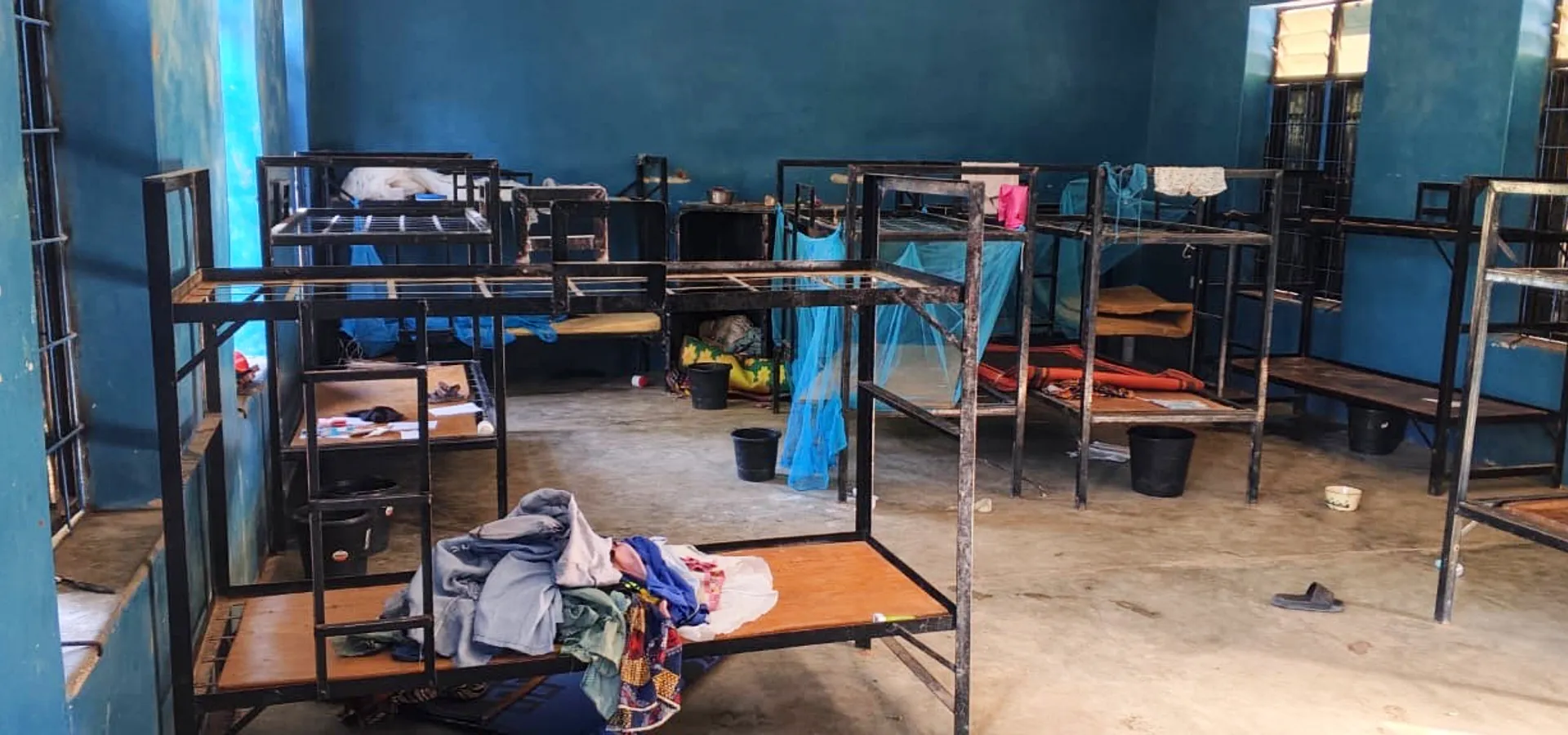
Public headlines often focus on contractors in overt warzones, but sources covering CIA programs show a far more specific set of responsibilities tied to intelligence work. Contractors secure so-called “black sites” where high-value detainees were once processed, they protect clandestine bases and safehouses, they guard intelligence aircraft used for rendition flights, and they provide close protection for CIA officers operating in hostile countries. Teams of former operators run surveillance detection routes, provide emergency extraction and mobility operations, and stand ready as quick reaction forces to counter assaults on covert sites.
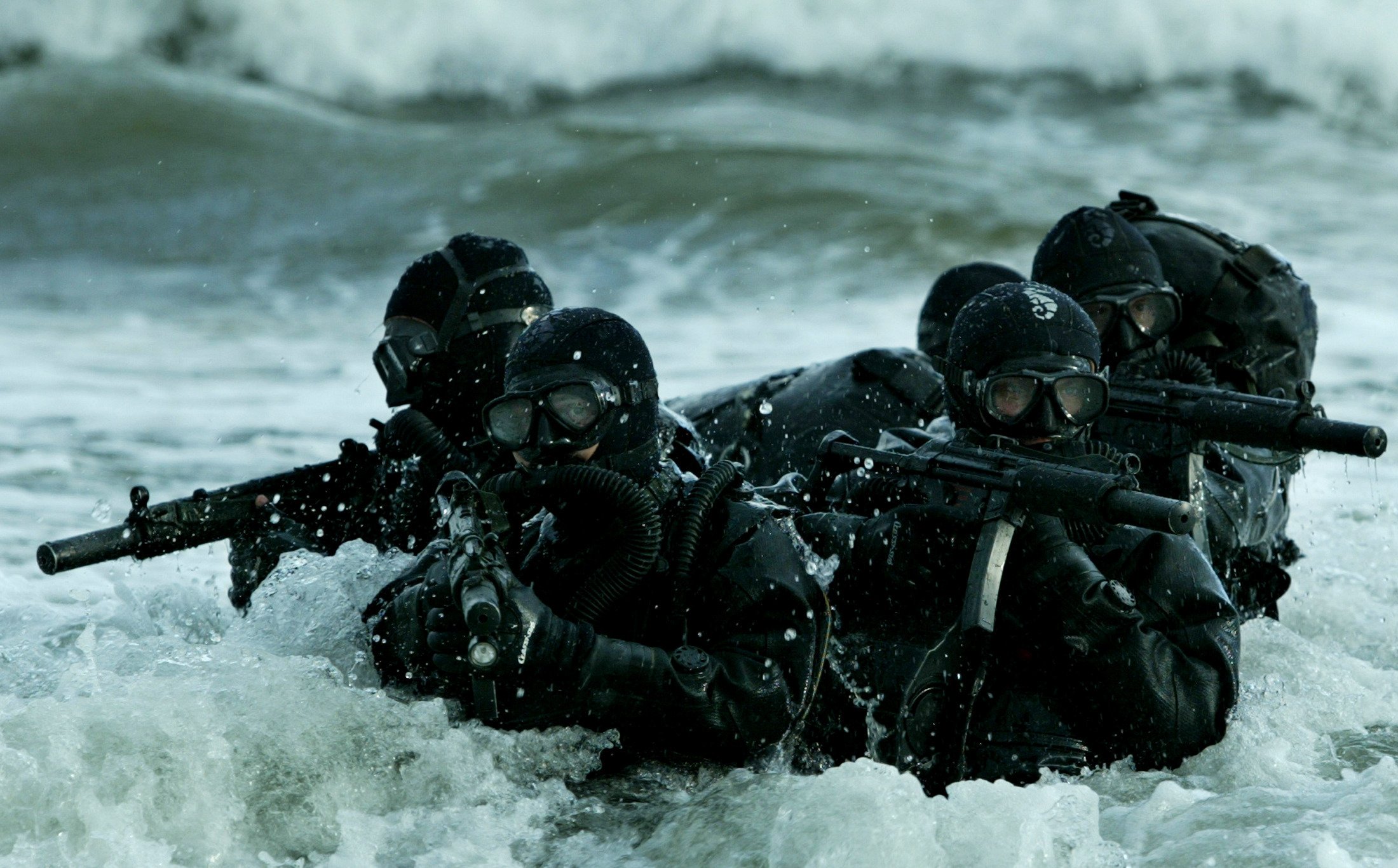
These tasks require special skills, and that helps explain the steady demand for former SEALs and Marines. Their training produces a mindset of adaptability, discipline, and comfort with ambiguity. Many already hold security clearances, and their experience operating alongside intelligence personnel creates cultural compatibility with CIA paramilitary units. For the Agency, contractors provide rapid deployment, flexible rules of engagement, and a layer of plausible deniability that uniformed forces cannot supply.
The legal, ethical, and oversight fog
Where Shadow Contracts operate, accountability often thins. Investigations by Reuters, UN oversight, congressional panels, and major news outlets have repeatedly highlighted unanswered legal questions. Contractors are civilians, yet they carry weapons and perform functions that approach paramilitary activity. They operate outside the Uniform Code of Military Justice, meaning discipline and redress turn on corporate policies and classified contracts rather than military law.
Who is ultimately responsible for a contractor’s actions? The contracting company, the CIA, the U.S. military, Congress, or the host nation? The answer is frequently unclear. Oversight is fragmented, and the Senate Intelligence Committee has flagged gaps in reporting requirements tied to intelligence contracting. In many host countries, local officials sign secrecy arrangements, leaving entire facilities and operations effectively shielded from public or independent scrutiny.
The practical consequence of this fog is not only legal ambiguity, it is strategic risk. High-profile abuses become geopolitical crises. The reputational damage from misconduct travels fast, and the long-term reliance on private forces risks eroding core levers of state control. Scholars and policy analysts at institutions like Brookings warn that structural dependence on private operators could weaken military sovereignty and complicate accountability for the use of force.
Why former SEALs and Marines are at the center of Shadow Contracts, and what comes next
The CIA’s preference for operators with special forces backgrounds is no accident. Former SEALs and Marines bring operational skills, security clearances, a culture of secrecy, and readiness for high-risk work. For many veterans, contracting offers a return to a familiar world without uniformed bureaucracy, and the pay can be substantial. For others, the life becomes an unmoored cycle of deployments that exacts a psychological toll.
The demand for these capabilities is growing again in 2025, driven by great power competition, expanded intelligence activity in Africa and the Middle East, the need to protect overseas cyber and drone infrastructure, and renewed covert counterterrorism efforts. As the CIA’s footprint multiplies, so will the number of private guards, technical teams, and security contractors operating under Shadow Contracts.
This growth carries predictable advantages for U.S. policymakers. Contractors provide rapid surge capacity, discretionary budgets that can be hidden in classified annexes, and the political comfort of distanced casualties. Yet the trade-offs are stark. The privatization of coercive authority raises fundamental ethical questions about whether lethal or coercive tasks should be outsourced, and the secrecy that enables operations also erodes oversight.
History may eventually illuminate many of the choices made in secret, as records are opened and investigations proceed. For now, fragments remain: leaked appendices, congressional reports on “the CIA’s Detention and Interrogation Program”, whistleblower accounts, and investigative journalism that pieces together where these contractors stood and what they guarded.
Shadow Contracts are not a peripheral curiosity, they are an expanding pillar of modern covert power. They sit at the intersection of military skill, corporate contracting, and intelligence secrecy. As long as conflicts remain gray, and plausible deniability stays useful, the quiet army of former SEALs and Marines will continue to stand watch at the edge of American covert action, behind walls that few will ever see.
Reporting for this piece synthesized investigative reporting, congressional materials, and published oversight reviews of CIA programs, including references to Blackwater and the documented 2007 “Blackwater Nisour Square massacre”, and to records about “the CIA’s Detention and Interrogation Program”.