A clear, modern look at Thermopylae: Heroism, terrain, betrayal, and how a brief stand shaped Greek resistance and memory
“The Battle of Thermopylae in 480 BCE has captured the imagination of historians, military theorists, and the general public for over two millennia.” That sentence, from classical summaries of the campaign, captures why the pass at Thermopylae remains a focal point for conversations about courage, strategy, and national mythmaking.
The story often centers on a small band of elite warriors, but Thermopylae is better understood as the meeting point of geography, politics, tactical skill, and crafted narrative. In modern debate, the battle is examined not only for the famous acts of valor, but also for the strategic choices that delayed a great army and bought crucial time for the Greek city-states.

Geopolitical context and the logic of the pass
In 480 BCE, Xerxes I sought to extend Persian control westward, confronting a fragmented but culturally linked collection of Greek city-states. Facing overwhelming Persian resources, Greeks divided responsibilities: Athens prepared its navy, while Sparta and allied land forces took responsibility for key terrain, above all the narrow corridor at Thermopylae, the so-called Hot Gates.
The pass itself was the decisive factor in the Greek plan. By funneling enemy forces into a confined space, Thermopylae allowed a smaller, disciplined army to blunt a larger force. Archaeological and environmental studies confirm that the landscape then was different from today, and that the terrain functioned as a natural choke point, enabling defenders to neutralize much of the Persian numerical advantage.
Spartan strategy, numbers, and leadership
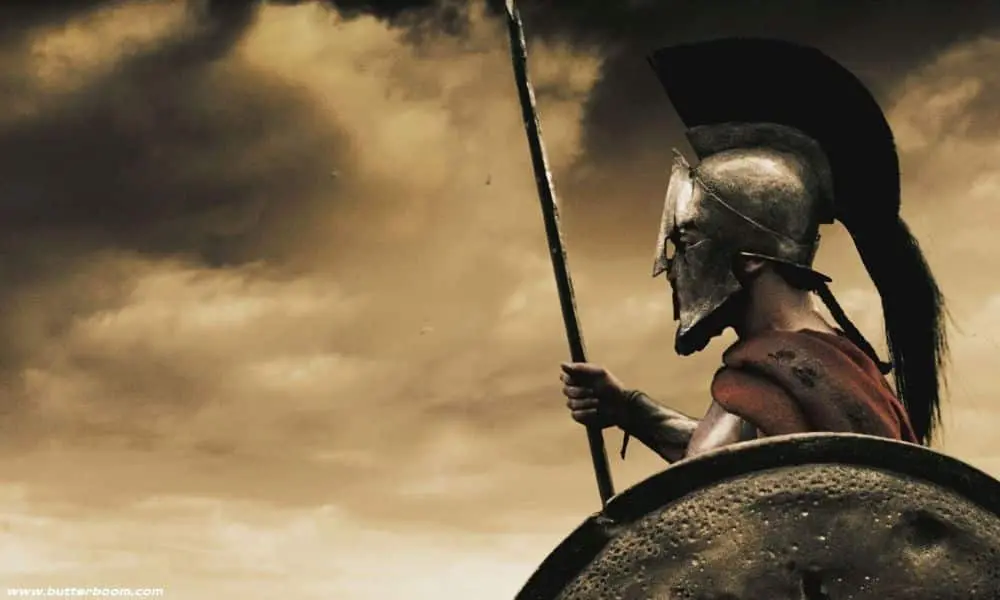
Ancient narratives emphasize the Spartans, and modern scholarship refines that emphasis without discarding it. According to Herodotus, Leonidas led approximately 7,000 Greek troops, including 300 Spartans, into the pass. That composition mattered politically and practically. The 300 were selected to exemplify Spartan values of discipline and loyalty, and their presence helped hold allied ranks together.
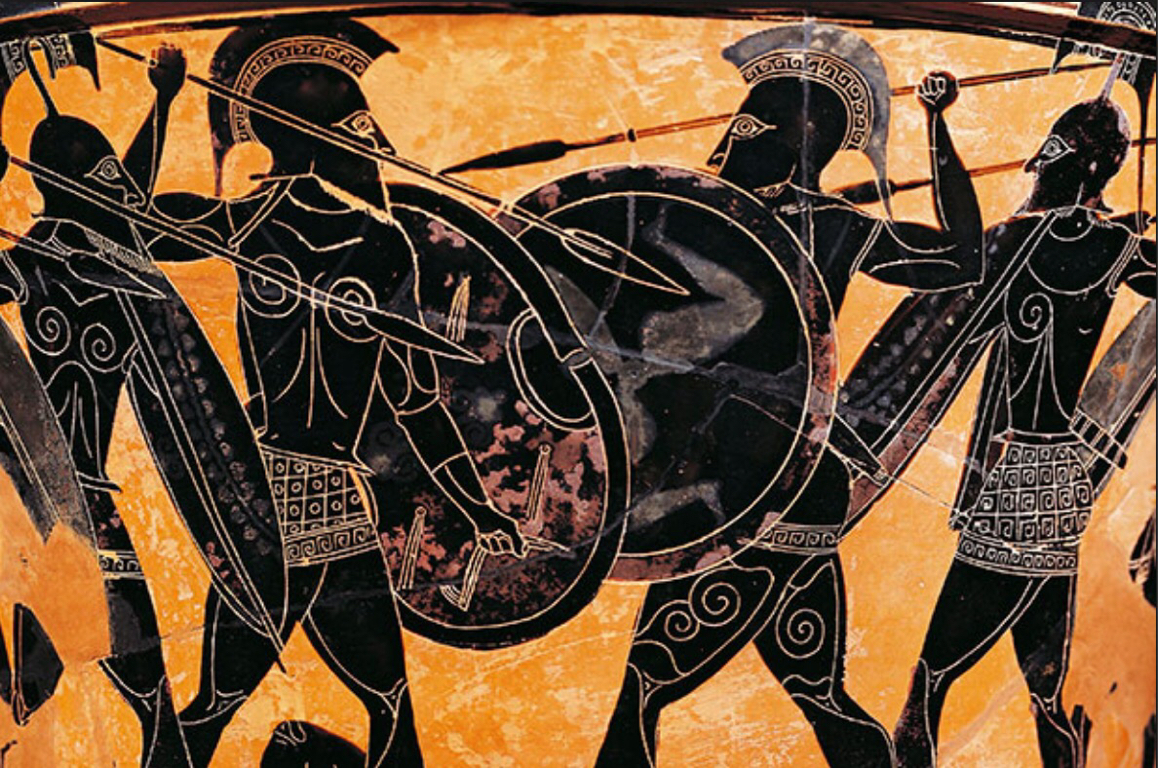
On the battlefield, Spartan training, phalanx tactics, and unit cohesion proved highly effective. In the tight confines of the pass, overlapping shields and bristling spears turned frontal assaults into costly, slow operations for the attackers. Modern reconstructions show that disciplined rotations and coordinated defense extended the Greeks’ ability to resist repeated Persian attacks across several days.
Betrayal, flanking maneuvers, and the limits of terrain
The classical turning point came when the Persians gained access to a hidden path, traditionally attributed to the traitor Ephialtes. This maneuver allowed Xerxes’ forces to outflank the defenders, making the position at Thermopylae untenable. Scholars debate details of the episode, noting that the story of betrayal also serves moral and literary purposes, emphasizing themes of loyalty and treachery within Greek ethical thought.
Whatever the exact mechanics of the flanking move, the larger lesson is clear: even the most favorable terrain cannot ensure victory if an adversary discovers an alternate route or exploits gaps in local knowledge. The fall at Thermopylae underlines how intelligence and intimate landscape awareness can overturn tactical advantages, and how static defenses must be paired with reconnaissance and adaptability.
Archaeology, numbers, and reframing the legend
Excavations near the pass have recovered fortification traces, weapon remnants, and signs of temporary encampments, confirming sustained, organized Greek resistance. These finds complicate the simple legend of an isolated last stand, showing instead a coordinated military operation integrated into a wider Greek strategy.
Ancient sources often inflate troop counts, and modern historians usually revise those figures downward. Even so, the imbalance in strength remained dramatic. Persian forces were still vastly larger, and their advantages in mobility and manpower shaped how commanders on both sides approached the contest.
Scholars therefore emphasize careful reassessment: numbers, tactics, political motives, and the role of ritualized remembrance all contributed to the story that later generations would inherit. The narrative of heroism coexisted with pragmatic strategic goals, and separating myth from operational reality deepens our appreciation of both.
Legacy, commemoration, and lessons for leaders
Thermopylae’s meaning extends well beyond its tactical outcome. Though the Greeks eventually yielded the pass, their resistance delayed Xerxes and helped buy time for naval preparations, including the decisive encounter at Salamis. In this way, a tactical loss contributed to strategic gain, demonstrating how short-term sacrifices can alter broader campaigns.
Culturally, the episode has been commemorated through epigrams, monuments, and ritual memory that reinforced civic ideals. As one summary puts it, “More than 2,400 years later, Thermopylae remains a testament to the enduring significance of sacrifice, strategy, and story — a single battle that shaped the cultural imagination of civilizations far beyond its immediate historical context.” That reflection underscores the dual nature of Thermopylae as both historical event and cultural symbol.
From a leadership perspective, the battle highlights enduring principles. Proper use of terrain can multiply force effectiveness, disciplined units can achieve disproportionate impact, morale shapes battlefield outcomes, and knowledge of local vulnerabilities is indispensable. These lessons inform modern military theory, as well as organizational leadership in nonmilitary fields.
Finally, the continuing reinterpretation of Thermopylae in film, literature, and politics reminds us that memory evolves. Each retelling emphasizes different virtues, from collective resistance to individual heroism, and each generation reshapes the story to reflect present concerns and ideals.
Understanding Thermopylae requires balancing admiration for visible acts of bravery with careful analysis of strategy, environment, and myth-making. The pass at Thermopylae, the stand by Spartan and allied forces, and the narratives that followed together show how a single encounter can influence military practice and cultural identity across centuries. By examining both the facts and the myths, we gain clearer insight into why Thermopylae: Heroism continues to resonate in public imagination and strategic thought.