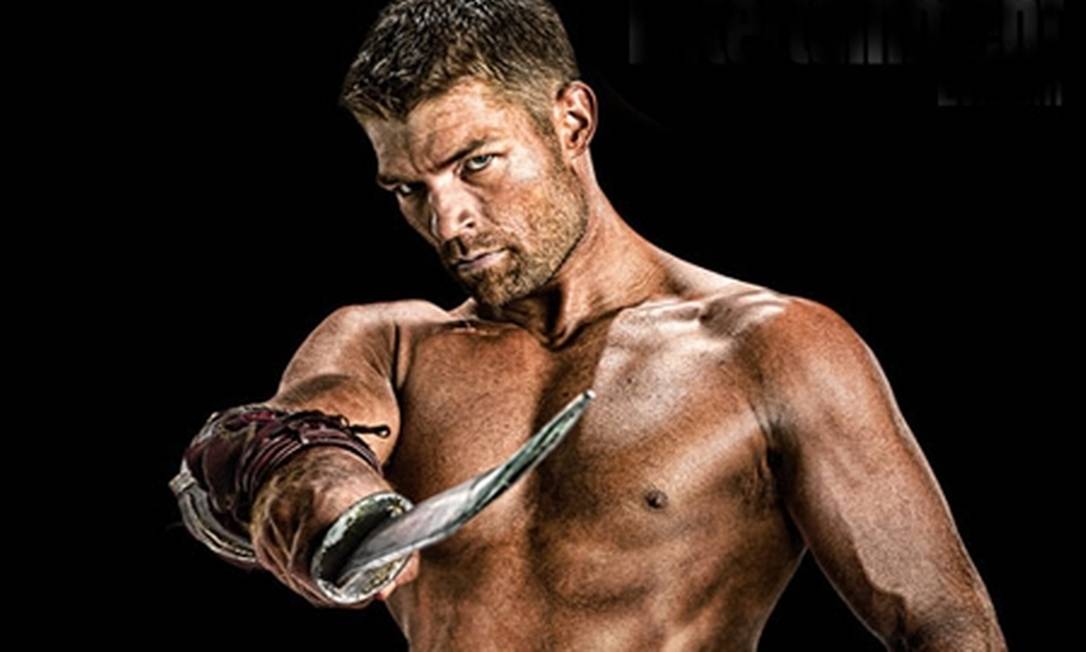
The Thracian gladiator SPARTACUS turned a kitchen-knife escape in 73–71 BCE into a mass rebellion that exposed the Roman Republic’s fragile foundations
SPARTACUS is one of history’s most magnetic figures, a man whose life blurred the line between fact and legend. Between 73 and 71 BCE, a band of escaped gladiators and runaway slaves coalesced into a force that repeatedly defeated Roman detachments, shook the Senate, and revealed deep weaknesses in a Republic built on conquest and slavery. The story of SPARTACUS is both simple and complicated, an account of daring escape, military skill, and a question that still divides scholars: what did he truly want?

From Thrace to the ludus, a soldier made a gladiator
Spartacus was born in Thrace, a rugged region known for fierce warriors. Ancient accounts suggest he served as an auxiliary in the Roman army before being captured. Once enslaved, he was sent to the gladiatorial school in Capua run by Lentulus Batiatus, where men were trained to entertain, and to die, for profit.
Even among captives, Spartacus stood out. Classical writers describe him as “Greek-educated” and possessed of “great dignity,” phrases that historians still debate, but that point to a leader with rare intelligence and charisma. Those traits help explain how a small escape rapidly transformed into an organized rebellion.
The breakout from Capua and the rise of a rebel army
About 70 gladiators escaped the school, initially armed with kitchen tools. They seized real weapons from wagons on the road and made for Mount Vesuvius, which became a natural fortress. Under Spartacus and fellow leaders such as Crixus and Oenomaus, the fugitives quickly turned improvisation into strategy. Using mobility, knowledge of terrain, and surprise, they defeated multiple Roman forces, showing tactical skill rather than mere luck.
The movement grew fast. What began as a few dozen freed fighters swelled into tens of thousands as slaves, shepherds, fugitives, and the dispossessed flocked to the cause. Ancient reports and modern estimates vary widely, with numbers ranging from about 30,000 to more than 120,000. Whether the larger estimates are accurate or reflect Roman panic, the growth underscored a simple fact, the Republic’s system of mass enslavement could be challenged from within.
Crossroads, strategy, and the march north
One of the enduring mysteries about SPARTACUS is his strategy at the peak of the revolt. At one point the rebels marched north seemingly to cross the Alps and let many fighters return home. Ancient writers framed that move as an attempt to end the struggle peacefully. Instead, the army turned south, a decision that has prompted debate among historians ever since.
Scholars propose several reasons for the southern turn. Some point to internal divisions, with leaders like Crixus focused on plunder, while others emphasize the practical difficulty of moving tens of thousands through hostile territory. A third theory suggests Spartacus may have realized Rome would never tolerate thousands of escaped slaves leaving unpunished, pushing him toward a more direct confrontation.
Crassus, decimation, and the final stand
Rome finally appointed Marcus Licinius Crassus to crush the rebellion. Crassus restored severe discipline, including the brutal practice of decimation to punish cowardice, and slowly tightened the noose around the rebels. Spartacus won several battles even as Roman power consolidated against him, but his options narrowed. Attempts to separate his force by sea, including an agreement with Cilician pirates, ended in betrayal. Trapped on the peninsula, the rebels faced overwhelming force.
The final battle in 71 BCE became the stuff of legend. Accounts describe Spartacus cutting through Roman lines, searching for Crassus in a desperate bid to end the war personally. He fought fiercely and died on the field, his body never recovered, a detail that helped turn him into myth. In a brutal display intended to frighten potential rebels, Crassus ordered that six thousand captured participants be crucified along the Appian Way from Capua to Rome.
Afterlife of a rebel, myth and memory
Spartacus’s defeat did not erase his story. Instead, his life and death became a potent symbol across centuries. During the Enlightenment he was invoked as a symbol of freedom, later as a hero for colonized peoples, and in modern political thought, Spartacus became a touchstone for socialist and revolutionary movements. In literature, film, and academic debate, the image of Spartacus shifted continually, reflecting each era’s hopes and fears.
Historians still argue over many details, including his exact origins in Thrace, whether the phrase “Greek-educated” should be taken literally, what his ultimate aims were, and the true size of his army. The most contested question remains why his force turned south instead of escaping the peninsula. None of these uncertainties diminish the core lesson: the revolt exposed a structural weakness in Rome that would reverberate through the Republic’s later crises.
Two thousand years later, the name SPARTACUS remains shorthand for resistance. He stands as a reminder that empires, however powerful, always harbor the potential for revolt. Rome killed the man, crucified thousands to silence dissent, yet the idea of Spartacus lived on, a ghost walking the Appian Way that revealed a truth, the powerful can crack when the oppressed organize and fight back.