The War That Rewired the World: How Desert Storm Redefined Modern Combat
Operation Desert Storm, a pivotal military campaign launched in 1991, stands as a defining moment in the history of modern warfare. This conflict, triggered by Iraq’s invasion of Kuwait in 1990, not only showcased a dramatic shift in military technology but also highlighted the power of international cooperation in the face of aggression. It was a stark demonstration of how miscalculation could lead to widespread conflict, as Saddam Hussein’s strategic misjudgments and his disregard for the international community’s resolve ultimately met a unified and formidable response.

A Coalition of Nations and Technological Superiority
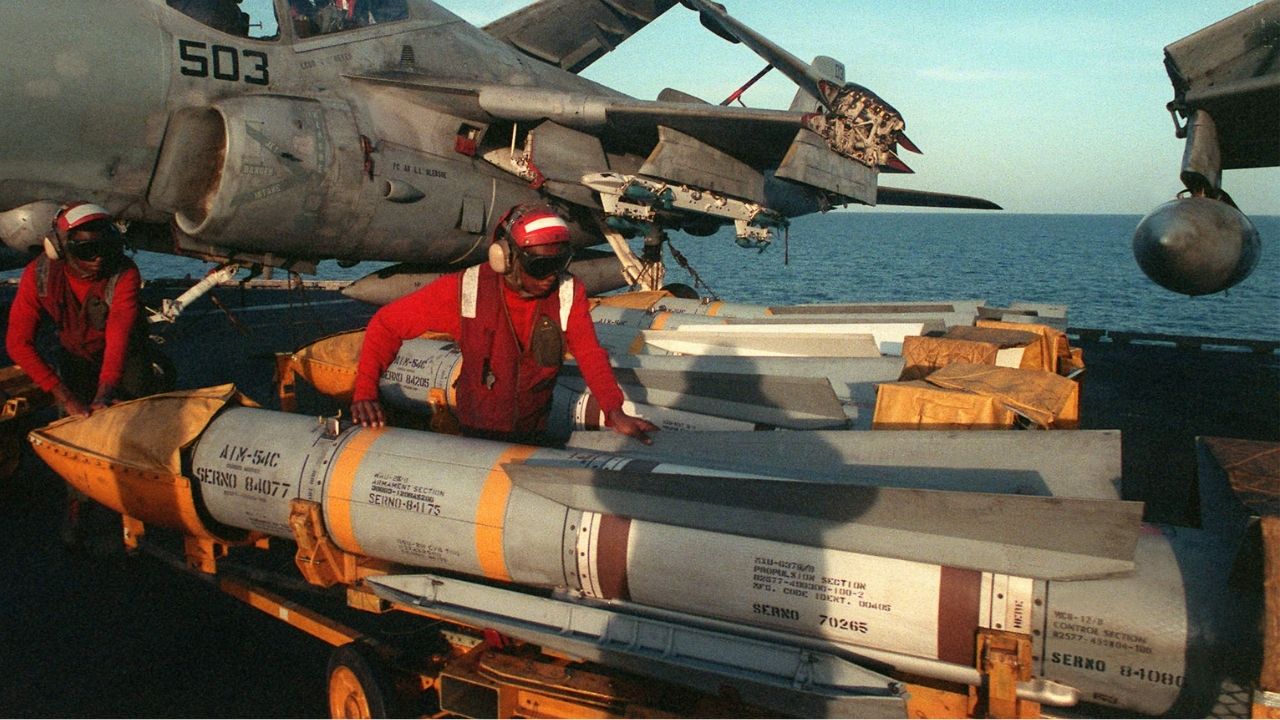
The sheer scale of the international coalition assembled for Desert Storm was unprecedented, with **more than thirty nations** joining forces. This global alliance was united by a common goal: to liberate Kuwait. The military strategy employed was equally groundbreaking, heavily relying on **advanced air-power, precision weapons, and unprecedented joint operations**. This marked a significant transition towards high-tech, networked warfare, where sophisticated technology played a central role in achieving battlefield dominance. The speed and efficiency of the coalition’s operations were a testament to this new era of warfare.
Ethical Debates and Lasting Geopolitical Shifts
Beyond the battlefield, Desert Storm also ignited important **ethical and legal debates**. Analysts scrutinized the intervention through the lens of just-war theory and the authorization provided by the United Nations. While the military objectives were decisively met, the operation left behind **unresolved political tensions** that would continue to shape the post-Cold War global order. The swift victory served to both highlight the immense capabilities of modern military force and expose its inherent limitations, particularly in achieving long-term political stability.
Reshaping Future Conflicts and U.S. Strategy
The legacy of Desert Storm extends far beyond its immediate military success. The conflict set a precedent for future engagements in the Middle East and fundamentally reshaped the **strategic posture of the United States** for decades to come. It demonstrated the effectiveness of overwhelming technological superiority and coordinated international action, influencing military doctrines and foreign policy decisions. The lessons learned from Desert Storm continue to be analyzed and applied in understanding and addressing contemporary global security challenges, making it a crucial case study in the evolution of warfare.