The Peloponnesian War (431–404 B.C.): A Defining Struggle for Greek Supremacy
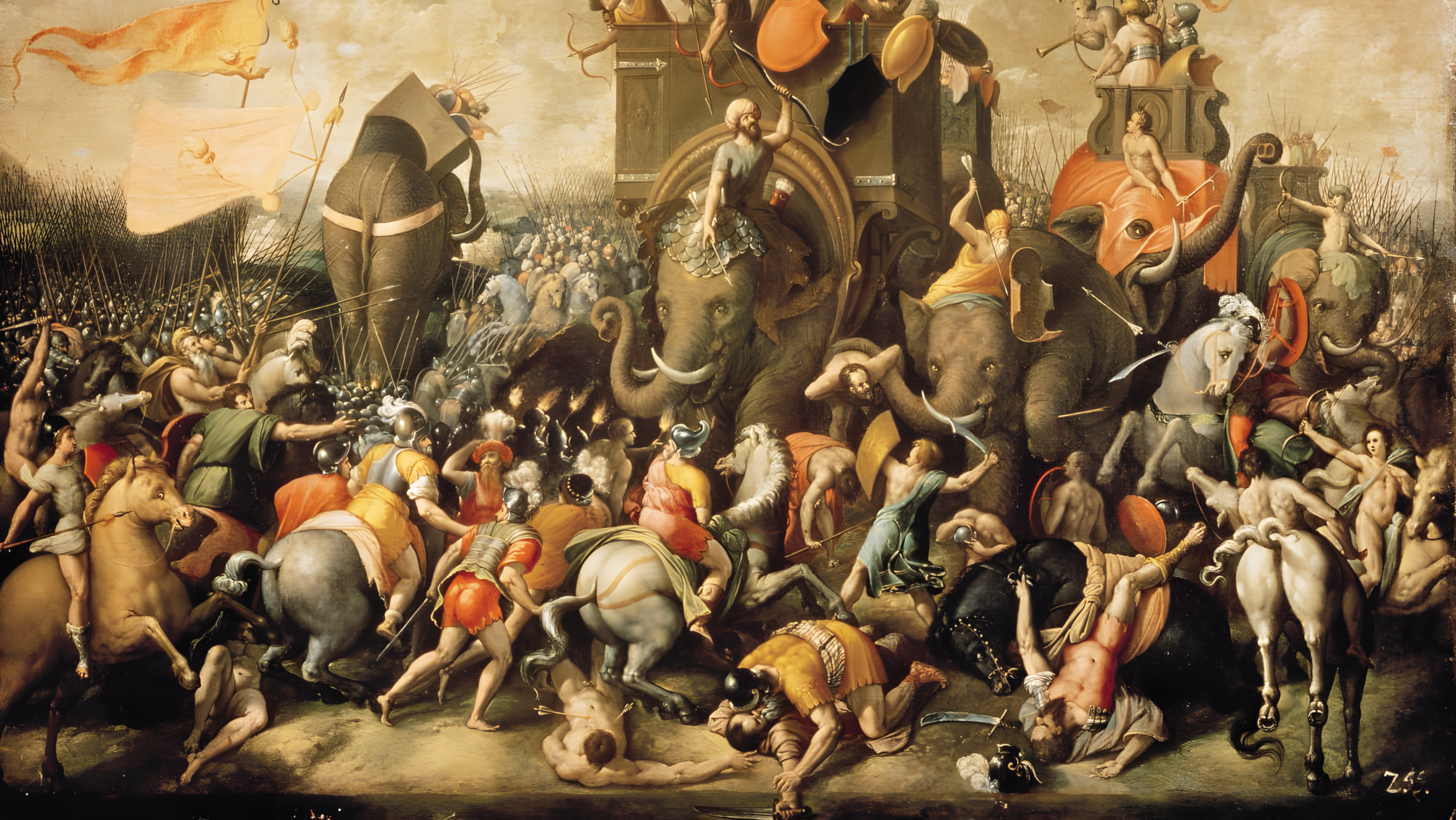
The ancient world witnessed a titanic clash that would forever alter the course of Greek civilization, the **Peloponnesian War**. This monumental conflict, lasting nearly three decades from 431 to 404 B.C., pitted the formidable Athenian Empire against the Peloponnesian League, spearheaded by the land-based military might of Sparta. More than just a series of battles, this war was a crucible that reshaped Greek politics, revolutionized military strategy, and left an indelible mark on its culture. It stands as a **defining example of prolonged interstate conflict** and a rich case study for understanding warfare, power dynamics, and human behavior, brilliantly documented by the primary historian of the era, **Thucydides**.
The Seeds of Conflict: Fear, Rivalry, and Provocation
The origins of the Peloponnesian War were sown in the fertile ground of **growing tension between Athens and Sparta** in the aftermath of the Persian Wars. Athens, having risen to prominence as a dominant naval power, had established the **Delian League**, effectively controlling the Aegean Sea and levying tribute from its member states. This burgeoning Athenian influence was viewed with **suspicion and fear** by Sparta, the preeminent land power, which saw its own traditional autonomy threatened. Several key factors fueled this escalating rivalry:
A primary driver was **Sparta’s fear of Athens’ expanding influence** over other Greek city-states. This was compounded by **economic and political tension**, as Athens’ tribute system and its interventions in the affairs of allied city-states challenged established norms of self-governance. Specific incidents, such as the **Corinthian-Corcyra dispute** and the **Megarian decree**, served as the immediate sparks that ignited the wider conflict. This potent mix of strategic rivalry, economic competition, and political anxiety made war almost inevitable.
Two Leagues, Two Strategies: A Clash of Naval and Land Power
At its core, the Peloponnesian War was a confrontation between two distinct alliances, each with its own strengths and strategic doctrines. On one side stood **Athens and the Delian League**, a maritime coalition built on naval supremacy, control of vital trade routes, and the consistent collection of tribute. Their strategy relied on projecting power across the sea and maintaining economic dominance.
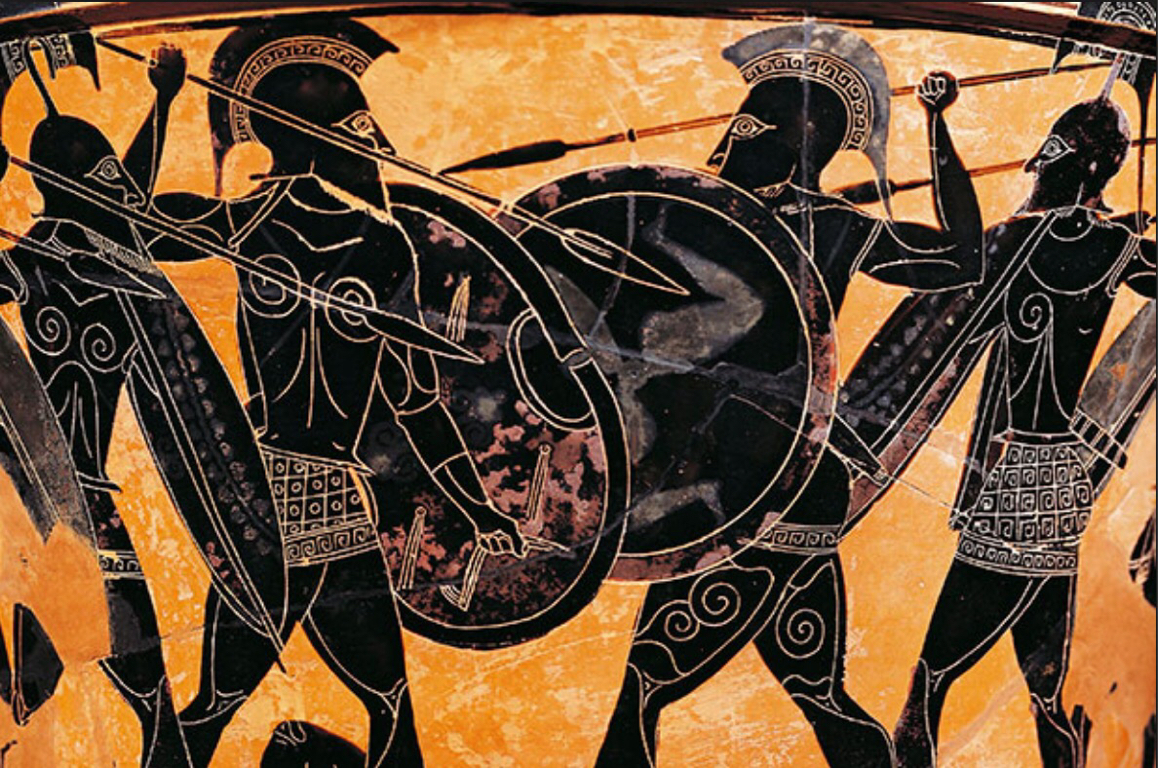
Opposing them was **Sparta and the Peloponnesian League**, a coalition of land-based powers whose strength lay in their highly trained **hoplites** and a tradition of unyielding military discipline. The conflict, therefore, embodied a fundamental strategic dichotomy: Athens leveraged its **naval superiority and vast wealth**, while Sparta depended on its **formidable land forces and disciplined infantry formations**. This dynamic profoundly shaped the offensive campaigns and defensive strategies employed by both sides throughout the war.
The Archidamian War: Invasion, Plague, and Stalemate
The initial phase of the Peloponnesian War, known as the **Archidamian War** (431–421 B.C.) and named after the Spartan king Archidamus II, was characterized by a predictable pattern. Spartan armies launched **annual invasions of Attica**, Athens’ home territory, aiming to provoke a decisive land engagement. However, under the astute guidance of **Pericles**, Athens adopted a strategy of **perimeter defense**. They wisely avoided large-scale land battles, relying instead on the impregnability of their city walls and conducting disruptive naval raids against Spartan allies.
A devastating blow to Athens came with the **Plague of Athens (430–426 B.C.)**. This terrible epidemic swept through the densely populated city, claiming tens of thousands of lives, including that of Pericles himself. The plague severely weakened Athens both politically and militarily, highlighting how disease, strategy, and geography could dramatically influence the outcomes of war.
Naval Dominance and Economic Warfare
Athens, with its unparalleled naval strength, utilized its fleet as a primary instrument of war. They effectively controlled the Aegean trade routes, projecting power and enabling raids on the Peloponnesian coast, designed to divert Spartan attention and resources. The **tribute collected from Delian League allies** was crucial, funding Athens’ extensive military operations and its vast navy.
Furthermore, Athens employed **blockades and supply control**, using its fleet to constrain Spartan logistics. This forced Sparta into costly and protracted land campaigns that offered little decisive advantage. These measures demonstrate how **economic and naval power were integral to Athens’ war strategy**, showcasing a sophisticated blend of military and political maneuvering that was remarkably advanced for its time.
The Fragile Peace of Nicias and the Sicilian Blunder
The Peace of Nicias, signed in 421 B.C., offered a temporary respite from the brutal conflict. Intended to last for fifty years, this treaty proved to be **undermined by deep-seated mutual distrust** and persistent, albeit smaller-scale, skirmishes. Events like the **Battle of Mantinea (418 B.C.)** underscored the reality that neither side possessed the capacity for a decisive victory, leading to a prolonged stalemate. During this interlude, Athens continued intermittent campaigns on the periphery of the Peloponnese, seeking to destabilize Spartan allies.
Athens’ ambition, however, ultimately led to a catastrophic misstep: the **Sicilian Expedition (415–413 B.C.)**. The objective was to conquer Syracuse and expand Athenian influence into Sicily. However, **poor planning, a severe misjudgment of the terrain, and sheer overextension** led to an unmitigated disaster. The result was the **complete destruction of the Athenian force**, with thousands killed, severely weakening the Athenian empire and its capacity to wage war.
Spartan Resurgence and the Crucial Role of Persia
Sparta skillfully capitalized on Athens’ weakened state following the Sicilian debacle. A pivotal turning point came with **financial support from Persia**, which enabled Sparta to build a competitive navy capable of challenging Athenian maritime dominance. Spartan allies in the Aegean also played a crucial role, using **deceit and diplomacy** to undermine Athens’ control over its tributary states.
The final offensives saw Sparta lay siege to Athens directly. The decisive blow came at the **Battle of Aegospotami (405 B.C.)**, where the remaining Athenian fleet was annihilated. This Persian involvement highlights the significant role that **external powers can play in intra-Greek conflicts**, demonstrating the interconnected nature of the ancient Mediterranean political landscape.
Athens’ Surrender and the Dawn of Spartan Hegemony
By 404 B.C., the once-mighty Athenian Empire was forced to surrender. The terms of the surrender were harsh: Athens’ **walls were dismantled, and its fleet was severely limited**, effectively ending its imperial dominance and curtailing its autonomy. The immediate aftermath saw political turmoil, including the brief, destabilizing rule of the Thirty Tyrants. Sparta emerged as the **preeminent Greek power**, though it proved unable to consolidate its control for any significant length of time. The war’s conclusion serves as a stark reminder that military victory does not automatically guarantee lasting political stability, a lesson echoed throughout history.
The Enduring Legacy: Thucydides and Lessons for Today
The Peloponnesian War left an indelible mark on Greek thought and historiography, most notably through **Thucydides’ seminal account**. His work emphasized **rational analysis, cause and effect, and the intricate interplay of human nature and politics**. The wartime experiences profoundly shaped debates about democracy, oligarchy, and the perils of imperial ambition. Thucydides also provided invaluable **moral and psychological insights**, highlighting fear, honor, and self-interest as key motivators for both states and individuals. The war thus transcended its military significance, becoming a **cultural and intellectual turning point** that profoundly informed classical political philosophy.
The Peloponnesian War continues to offer enduring lessons for the modern world. It illustrates the inherent dangers of **contested balance of power** and how rivalries between dominant powers can inevitably lead to conflict. The war underscores the critical need for the **integration of strategy and politics**, where successful warfare demands both tactical competence and astute political acumen. The impact of **external powers** in altering the course of conflicts is also evident, as is the **limits of hegemony** – demonstrating that even the most powerful states can collapse under prolonged strain. Modern scholars and military strategists still study the Peloponnesian War for its profound insights into protracted conflict, the dynamics of alliances, and the art of statecraft.