The Future of India’s Modern Conflicts: A Region on Edge
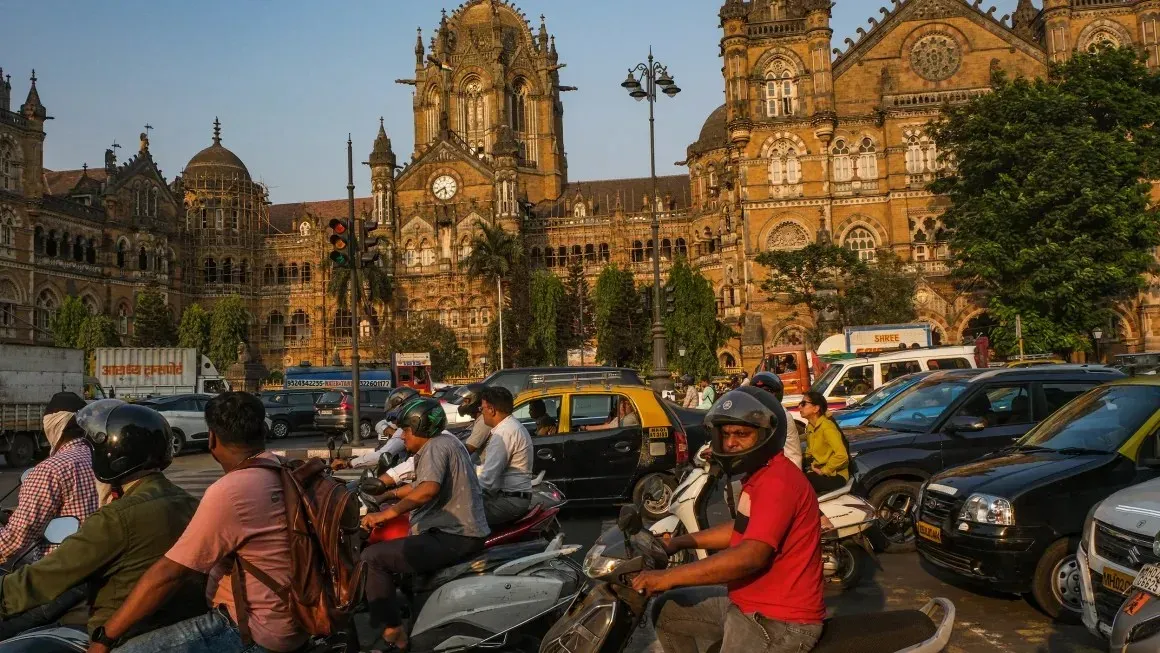
South Asia is once again a tinderbox, with old rivalries and new provocations threatening to ignite. The year 2025 saw India and Pakistan engage in cross-border strikes, a stark reminder of the high stakes along one of the world’s most militarized borders. Simultaneously, the Himalayas remained a theater of tension, as India and China engaged in troop maneuvers reminiscent of a strategic chess match on a frozen board. These weren’t sudden outbursts, but rather continuations of **deep-seated historical fractures**, woven from colonial legacies, religious divisions, territorial disputes, and the emergence of new regional powers. Understanding the origins of these conflicts is crucial to predicting their trajectory and grasping why the world should pay attention to the future of India’s modern conflicts.
Partition’s Enduring Trauma: The Birth of Modern Conflicts
The genesis of the current cycle of conflict can be traced back to the **Partition of British India in 1947**. This event, one of history’s largest forced migrations, saw British withdrawal draw a brutal line across the subcontinent, cleaving communities of Hindus, Muslims, and Sikhs, and redrawing borders that had never existed before. From this profound trauma, two nations emerged: India, a secular state with a Hindu majority, and Pakistan, conceived as a homeland for Muslims.
However, Partition left behind a **territorial time bomb**: Jammu & Kashmir. This princely state, ruled by a Hindu maharaja but with a Muslim-majority population, became the flashpoint for the first Indo-Pakistani war in 1947–48. Both nations claimed the region, viewing it as existential to their national identity, and neither was willing to compromise. The ensuing ceasefire line, now known as the Line of Control (LoC), remains a **bleeding scar** to this day, a constant source of friction in the future of India’s modern conflicts.
The China Factor: A Second Front Emerges
India’s security landscape was further complicated in the 1950s with the entry of China. The **border between these two Asian giants had never been clearly demarcated** by the British Empire. Beijing’s subsequent takeover of Tibet transformed the frontier into a strategic frontier. Tensions escalated, culminating in the **Sino-Indian War of 1962**, a conflict that resulted in a humiliating defeat for India. This war solidified two permanently contested zones: Aksai Chin, controlled by China but claimed by India, and Arunachal Pradesh, held by India but claimed by China. This established a second fault line along India’s northern border, a frozen frontier that continues to crackle with danger and significantly shapes the future of India’s modern conflicts.
Post-Cold War Escalation: India’s Rise and Growing Risks
As India’s economic power grew in the post-Cold War era, so did its regional ambitions. Concurrently, Pakistan forged a stronger strategic alliance with China and actively supported insurgent movements within Kashmir. Several key turning points have defined this modern era. The **1999 Kargil War** saw Pakistani forces infiltrate Indian territory, leading to a massive Indian counterattack and marking the first nuclear-shadowed war of the 21st century. From 2001 to 2020, the region was plagued by **insurgency and cross-border terrorism**, with attacks like the 2001 Parliament attack and the 2008 Mumbai attack transforming the LoC into a volatile zone of firefights, artillery duels, and retaliatory cycles.
A significant escalation occurred in **2020 with the Galwan Valley clash** between Indian and Chinese troops. For the first time in 45 years, soldiers from both nations died in hand-to-hand combat using improvised weapons in the high-altitude terrain of Ladakh. This confrontation shocked the world and turned the Line of Actual Control (LAC) into a heavily fortified and tense zone, further complicating the future of India’s modern conflicts.
The 2025 Crisis: India-Pakistan on the Brink
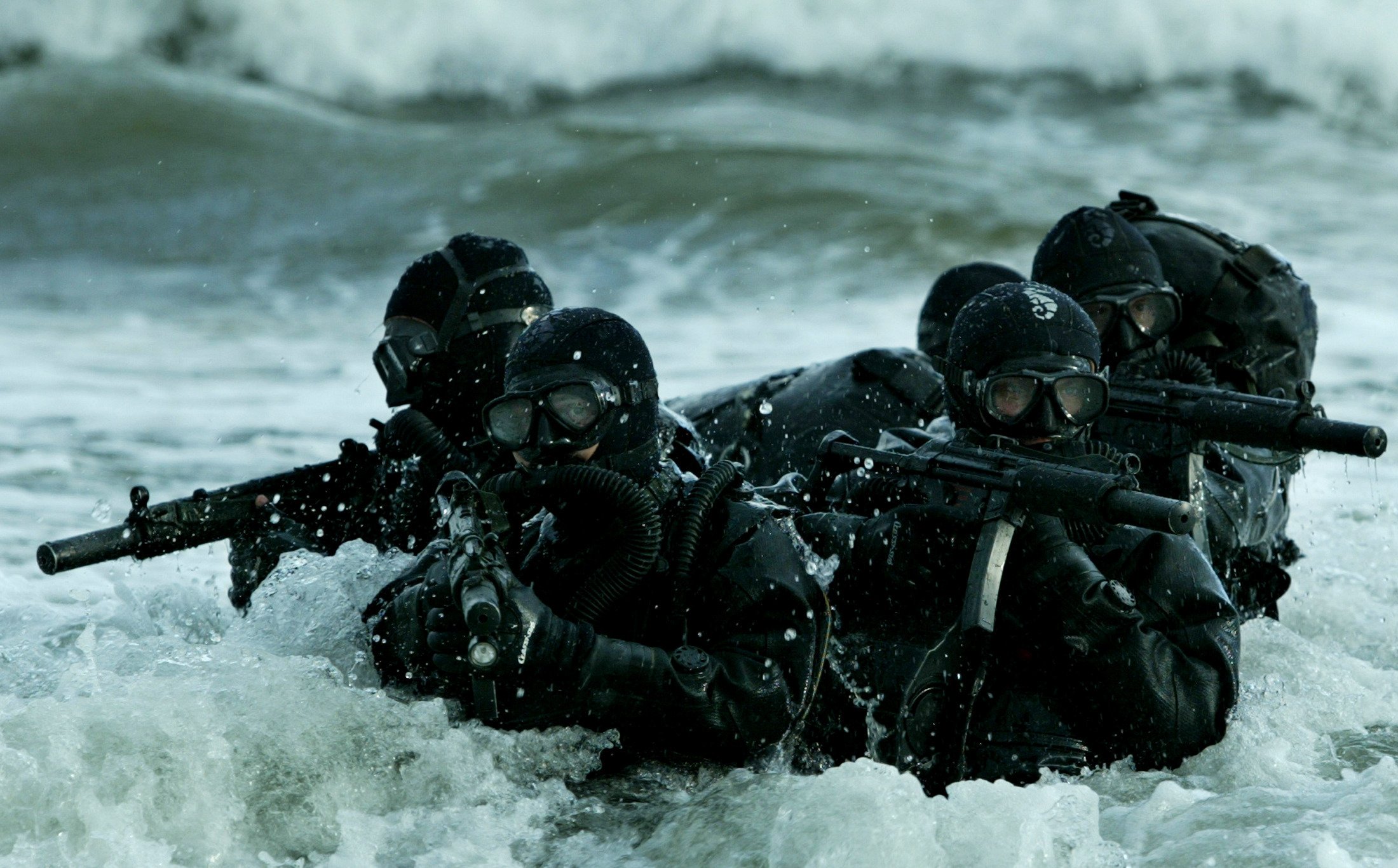
Fast forward to 2025, the region once again found itself on the precipice. India launched “Operation Sindoor,” striking what it described as **terrorist infrastructure deep inside Pakistani-controlled territory**, including in Punjab, targeting groups such as Jaish-e-Mohammed and Lashkar-e-Taiba. Pakistan responded with missile tests, troop deployments, diplomatic threats, and heavy firing along the LoC. For several days, the world held its breath, fearing a nuclear escalation. Satellite footage revealed airbases on high alert, and both sides moved armored units toward forward positions. The United States, China, Europe, and Gulf states scrambled to call for de-escalation, eventually announcing a pause—a fragile halt in a storm that had already claimed lives and destabilized the region. However, the **true danger lies not just in the exchanged fire, but in the strategic environment** that makes such escalations increasingly probable, defining the immediate future of India’s modern conflicts.
Clash of Giants: India and China’s Himalayan Standoff
While Pakistan remains India’s primary short-term military rival, China represents its **long-term strategic competitor**. The two nations have been engaged in repeated standoffs in the Himalayas since 2020. These tensions stem from structural issues: the **undefined border spanning thousands of kilometers**, China’s extensive infrastructure development, including high-speed roads, railways, and military bases on the Tibetan plateau, which India has mirrored with its own upgrades, and a broader geopolitical rivalry. This rivalry is intrinsically linked to China’s Belt and Road Initiative and India’s alignment with the United States, Japan, and Australia through the Quad, as well as strategic competition for influence in the Indian Ocean.
Every improvement in China’s military posture compels India to respond in kind. Each patrol clash carries the risk of spiraling out of control. In 2024, both sides initiated limited troop disengagement in certain areas, but the **broader military buildup remains firmly in place**, a constant shadow over the future of India’s modern conflicts.
The World’s Most Dangerous Flashpoint: Overlapping Disputes
The Indo-Pakistani and Sino-Indian disputes are not isolated incidents; they overlap, amplify, and feed into one another. India finds itself facing **two nuclear-armed rivals**, two active border disputes, and two fronts where escalation can occur, even accidentally. Meanwhile, Pakistan increasingly relies on China for economic and military support, while China views India as an emerging competitor to be contained. The United States, in turn, sees India as a crucial counterweight to Beijing. This creates a **tense triangle** where local disputes can rapidly escalate into global crises, significantly impacting the future of India’s modern conflicts.
Three Scenarios for the Next Decade: 2025-2035
Looking ahead, three scenarios could shape the future of India’s modern conflicts over the next decade:
Scenario 1 – Controlled Tensions (Most Likely): In this scenario, India, Pakistan, and China maintain hostile but predictable relations. Border skirmishes will likely continue, but full-scale war will be avoided due to the catastrophic costs, particularly the risk of nuclear escalation. Diplomacy and military backchannels will play a crucial role in mitigating the risk of accidental conflict.
Scenario 2 – Limited War or Blockade (Moderate Risk): This scenario could be triggered by a major terror attack in India, a significant border clash, internal political pressure within Pakistan, or a miscalculation in Ladakh. It might involve days or weeks of intense fighting utilizing drones, artillery, missiles, and cyberattacks, falling short of total war. China might refrain from direct military involvement but could exploit the situation to expand its influence.
Scenario 3 – Multi-Front War (Low Probability, High Impact): This represents the nightmare scenario. India and Pakistan could exchange major strikes, while China exerts pressure along the LAC. U.S. intelligence and support would likely enter the equation, leading to global market panic and the Indian Ocean becoming contested space. Such a war would have worldwide consequences, including the disruption of global trade, the destabilization of nuclear states, economic recession, and humanitarian crises in Kashmir and along the Himalayan borders. While unlikely, the existing structure of rivalries makes this scenario not impossible, profoundly shaping the future of India’s modern conflicts.
Driving Forces Shaping the Future
Several forces will significantly influence the future of India’s modern conflicts in the coming decade. Nationalism is a powerful driver, with domestic politics in all three countries encouraging strong posturing. Military modernization, encompassing drones, cyber warfare, hypersonic missiles, and satellite systems, is making conflicts faster and more unpredictable. Emerging challenges like water scarcity and climate change, with melting Himalayan glaciers and shifting river flows, could exacerbate disputes over water resources, particularly between India and Pakistan. Furthermore, evolving global power alignments, especially the intensifying U.S.–China rivalry, position India as a pivotal state. As the world becomes more divided, South Asia increasingly becomes a geopolitical battleground.
A Region Where the Past Refuses to Fade
India’s conflicts with Pakistan and China are not transient storms but rather the continuation of **historical tempests** rooted in empire, partition, ideology, and geography. The borders were drawn in blood, grievances have been inherited, and distrust is generational. Yet, the region grows more dangerous each year as nationalism surges, militaries modernize, and global powers choose sides. Whether the next decade brings uneasy peace or uncontrolled escalation hinges on whether these nations can break free from their historical wounds, or if history will, once again, drag them toward the brink, dictating the grim future of India’s modern conflicts.