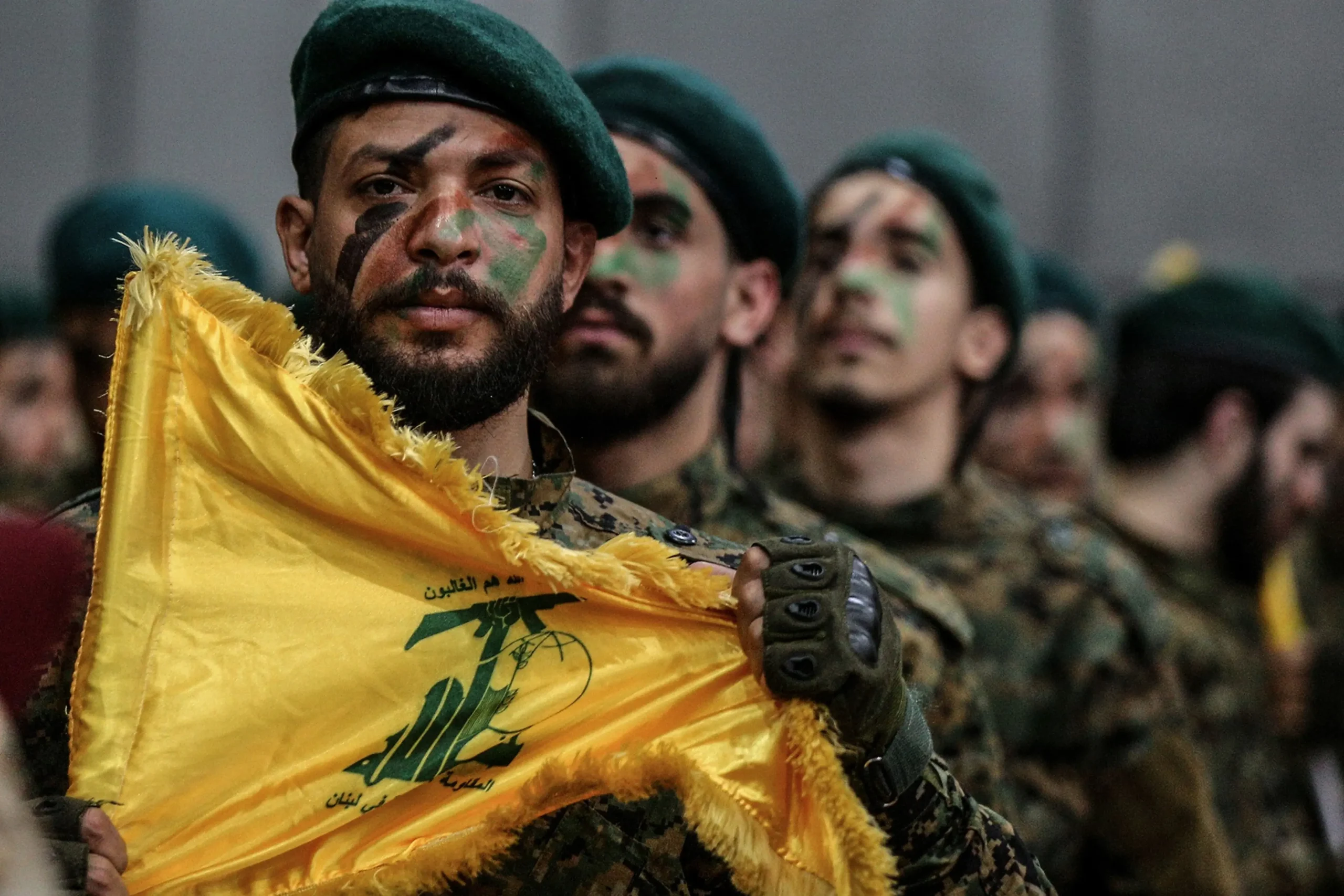
An accessible analysis of the Houthi escalation into maritime attacks, the role of Iran and regional allies, and what the Israel-maritime onset means for global trade and security.
The Houthi Escalation and the Israel-Maritime Onset describes a rapid transformation in which a once primarily local Yemeni rebellion became a central actor in a wider regional contest, threatening critical shipping lanes in the Red Sea and Bab-el-Mandeb. From their origins in northern Yemen, the Houthis, also known as Ansar Allah, expanded their reach at sea, directly challenging vessels linked to Israel, and drawing in navies and policymakers from the United States, Europe, and Gulf states.
Origins, identity, and backing
The Houthis trace their roots to the Zaidi Shia community in Sa’dah, northern Yemen. Their founder, Hussein Badreddin al‑Houthi, began as a Zaidi cleric who criticized then-president Ali Abdullah Saleh for corruption and foreign influence. Over time the movement moved from tribal and regional grievances to political control, culminating in the 2014 takeover of Sanaa. Their rhetoric shifted as well, and their slogan, “Death to America, Death to Israel”, became a defining part of their public posture.
External support is layered. Multiple analyses identify Iran, including elements of the IRGC and Quds Force, as a primary backer providing weapons, training, and logistics. The Houthis also benefited from smuggling and broader networks across the Horn of Africa and beyond. At the same time, the group built a resilient internal revenue base by levying port fees, controlling fuel imports and exchange operations, and exploiting the local economy.
As noted in U.S. reporting, “a U.S. Treasury advisory notes that the network led by financier Sa’id al‑Jamal funnels tens of millions of dollars via smuggling of petroleum products and other commodities to the Houthis.” That financing makes them more than a rudimentary insurgency, enabling sustained operations and a maritime posture.
Why the move into maritime and Israel-adjacent conflict occurred
The spark that pulled the Houthis into the Israel-adjacent, maritime theater was the October 2023 Israel-Hamas war. In public statements the Houthis expressed solidarity with Palestinian militants and quickly escalated attacks on vessels associated with Israel and its partners in the Red Sea and Gulf of Aden. This was not a random expansion, but a strategic choice. By threatening transit through the Bab-el-Mandeb and the Red Sea, the Houthis could project influence far beyond Yemen’s borders, applying economic and political pressure on Israel, Gulf states, and global trade.
Analysts point to several enabling factors. The Houthis had been improving their long-range missile and drone capabilities for years, and they reportedly became the first non-state actor to deploy anti-ship ballistic missiles operationally. At the same time, the global moment, with Israel focused on Gaza, presented an opening. The confluence of improved Houthi capabilities, vulnerable maritime routes, and a charged regional conflict created the conditions for the Houthi Escalation and the Israel-Maritime Onset to unfold.
International response, sanctions, and the temporary lull
The response to Houthi maritime attacks was swift and multi-layered. Western and allied navies, including U.S. and U.K. task forces, moved into the Red Sea to escort commercial shipping and to deter further strikes. The U.S. also took direct action at times, targeting economic hubs used by the Houthis; media reporting cited strikes on facilities such as the Ras Isa fuel port. Diplomatically, the U.S. re-designated the Houthis as a Foreign Terrorist Organization (FTO) on 4 March 2025, a step that unlocked a broader sanctions toolkit, asset freezes, and legal measures against their networks.
These measures, coupled with concerted naval deterrence and pressure from Gulf states and the U.N., helped produce a reduction in attacks. Analysts observed a drop in the monthly average of Houthi strikes on shipping between September and December 2024. The Gaza cease-fire in January 2025 also contributed to a pause in Houthi escalation, as their declared solidarity posture with Palestinian militants entered a quieter phase.
Yet this cooling is best seen as a pause rather than a permanent end. The Houthis retain long-range drones and missiles, and their maritime denial capabilities around Bab-el-Mandeb remain credible. Sanctions and strikes can degrade capacity, but they do not remove the strategic calculus that drove the group to the sea in the first place.
What the Israel-maritime onset means for the region and global trade
The broader implications of the Houthi Escalation and the Israel-Maritime Onset are wide-ranging. The Red Sea corridor is a vital global artery. Any sustained disruption raises insurance costs, reroutes shipping, and risks wider economic shock. For Iran, the Houthis offer a low-cost means of projecting power asymmetrically, complicating calculations for Israel, Saudi Arabia, and the U.S. For Gulf states, the possibility of proxy-based escalation constrains both maritime policy and diplomatic engagement with Israel.
Inside Yemen, the Houthis’ ability to finance governance and military operations through ports, fuel controls, and smuggling gives them durability. That financial resilience, however, can also prompt harder measures from outside actors. Continued pressure could either push the Houthis toward negotiation, or, if they double down, toward renewed maritime attacks to generate revenue and strategic leverage.
The most dangerous flash-points are foreseeable. A new flare-up in Gaza or a breakdown in humanitarian aid could motivate the Houthis to resume attacks. Conversely, a mediated political settlement in Yemen could shift incentives away from maritime disruption, particularly if external backers and regional powers see value in stability.
Throughout, the risk of miscalculation looms. A Houthi strike that mis-hits a Western warship, or an overbroad retaliatory campaign, could draw in regional powers more directly, escalating a localized campaign into a broader confrontation.
Conclusion, the transformation captured by the Houthi Escalation and the Israel-Maritime Onset underlines how non-state actors can shape global security far from their home bases. The Houthis turned local control of ports and coastlines into strategic leverage, and their maritime actions forced international powers to respond. The lull that followed international pressure and diplomatic moves is fragile. Whether diplomacy can channel that latent force into stability, or whether the region will face renewed shocks to shipping, depends on both internal Yemeni dynamics and the broader Iran-Gulf-Israel calculus.
For readers and policymakers watching the Red Sea, the lesson is clear. The next crisis may arrive from a direction once considered peripheral, yet now central to global trade and security. The Houthi network, its financing, and its alignment with regional actors will remain critical variables in predicting the future course of the Israel-maritime onset, and the security of one of the world’s busiest maritime corridors.