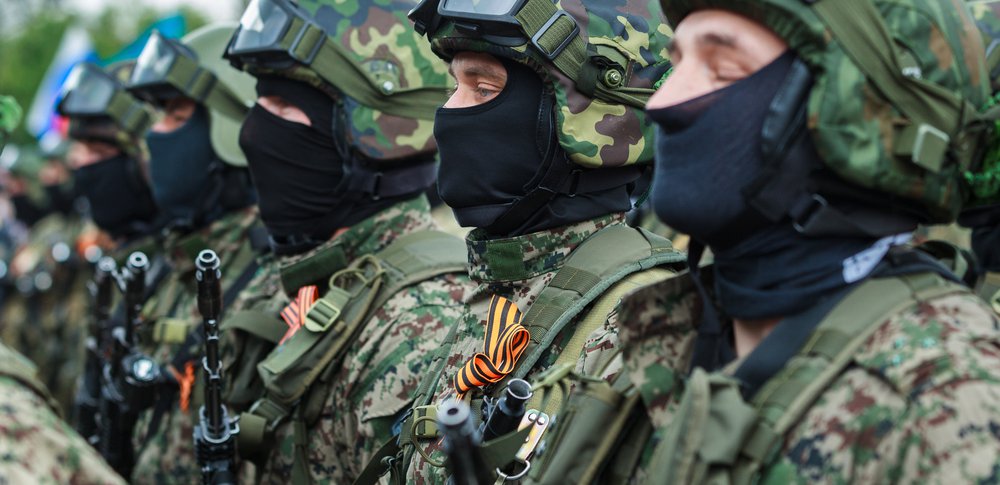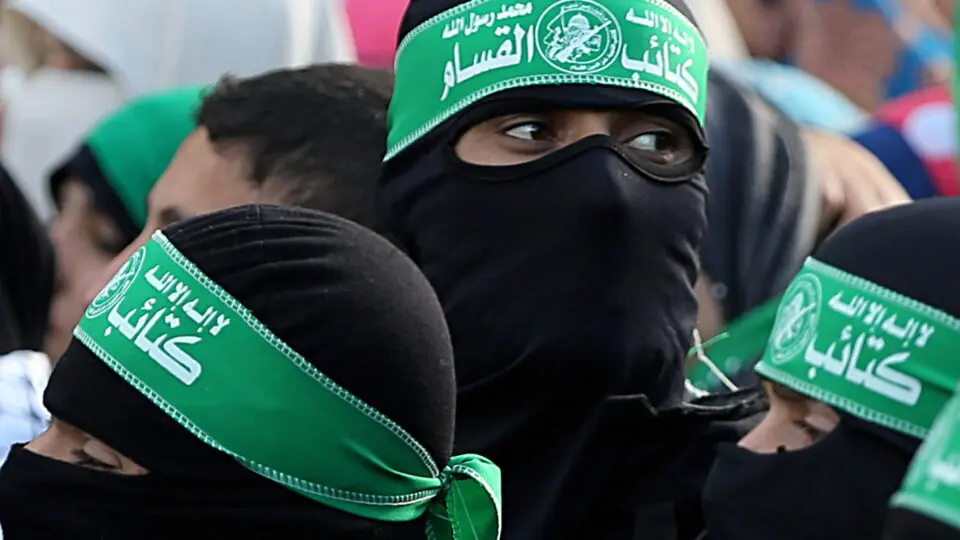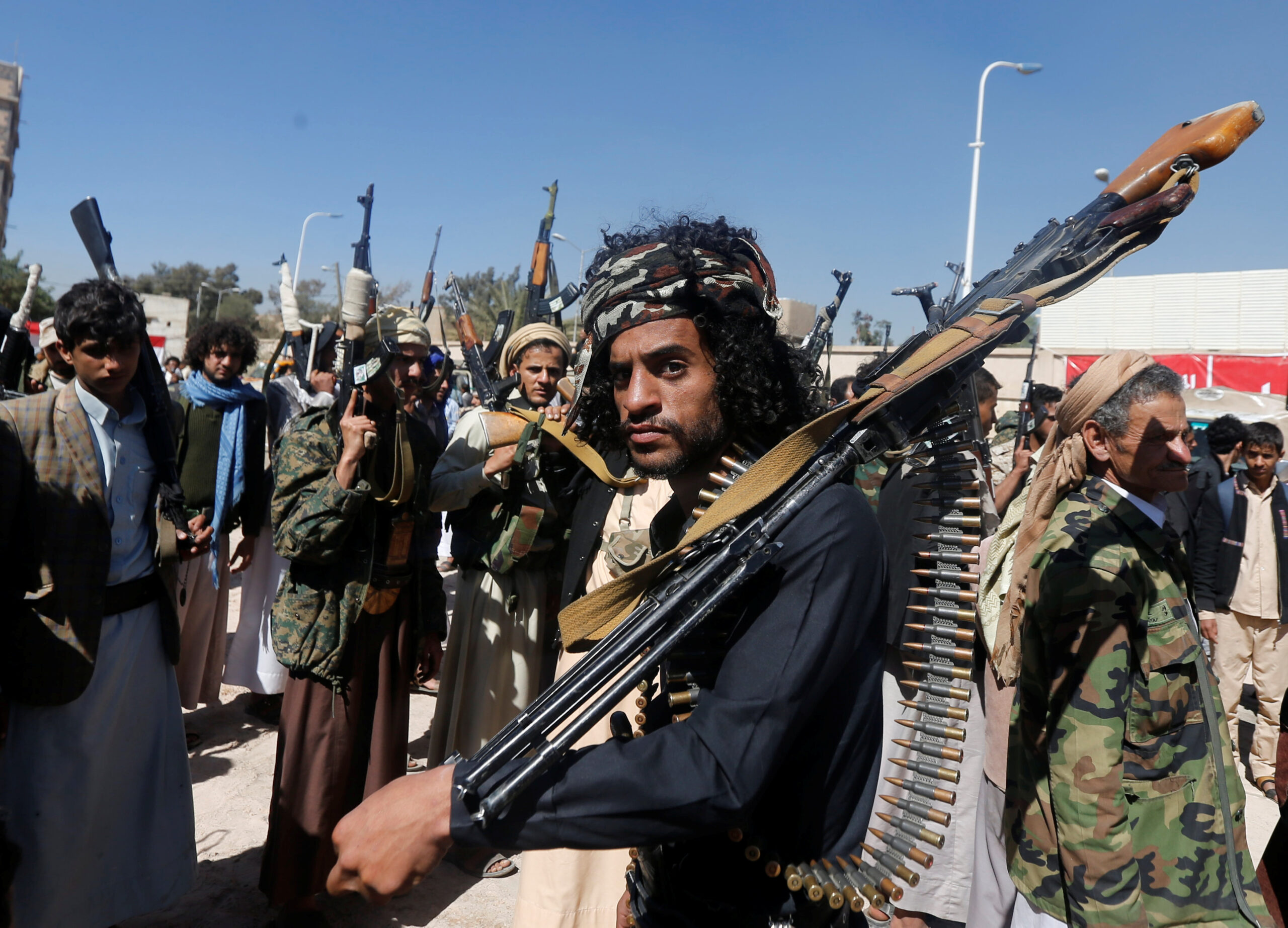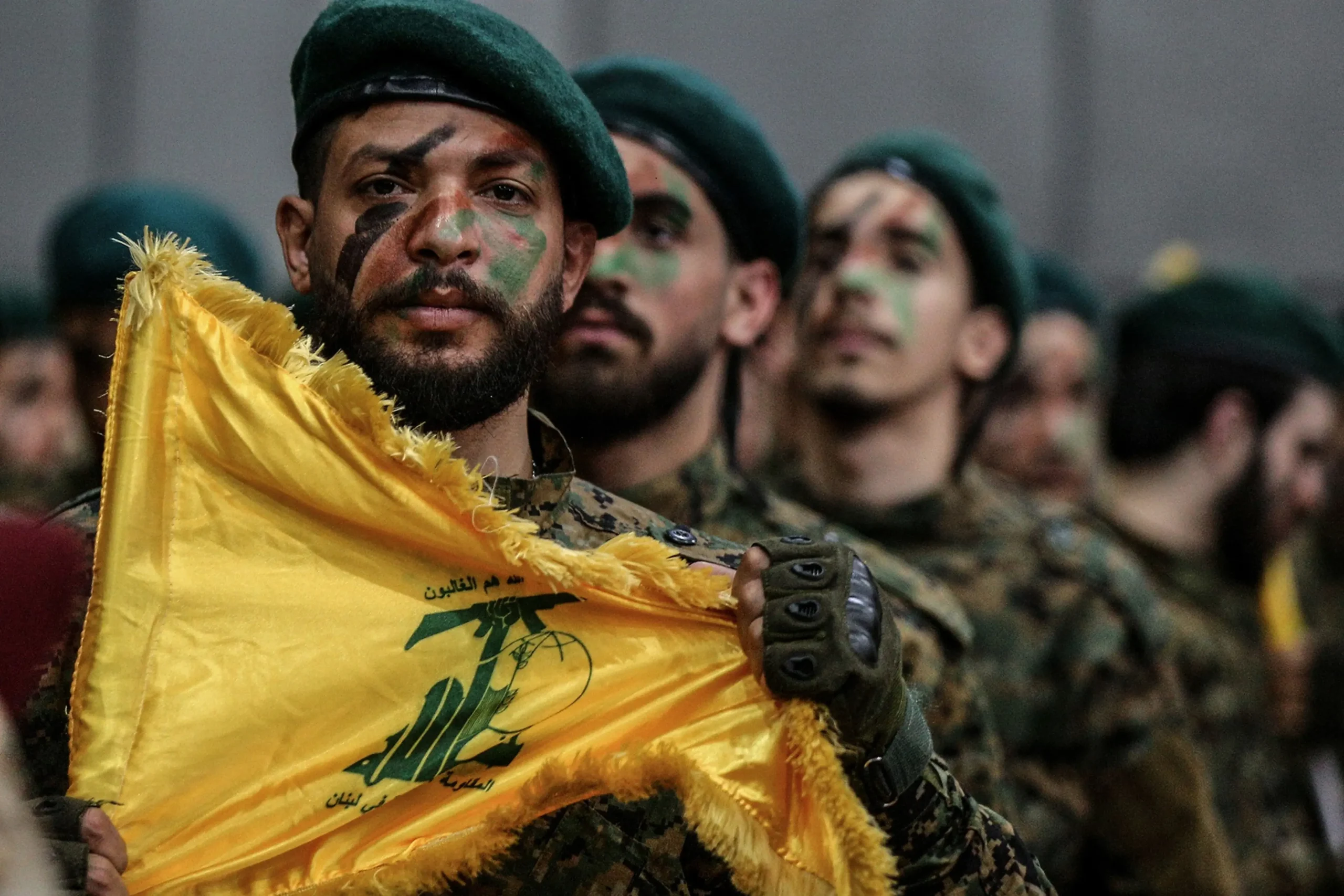
How Proxy Warfare lets states like Iran project power without open war, from rockets and drones to smuggling lines and political influence
Proxy Warfare has become one of the most consequential, and least visible, instruments of modern statecraft. In an era of high-technology missiles, cyber-attacks, and intense media scrutiny, powerful states increasingly rely on allied militias and insurgent groups to advance strategic goals while avoiding formal declarations of war. That approach buys sponsors plausible deniability, lower political cost, and flexible escalation, but it also spreads instability and raises the risk of major miscalculation.
The basic anatomy of proxy conflict
As one source puts it, “The term “proxy war” is defined in political science as an armed conflict where at least one of the belligerents is supported by an external power that provides material, training, funding and strategic direction.” (source: Wikipedia) This relationship creates a sponsor-client dynamic, in which the state supplies resources, training, and sometimes command guidance, while the non-state actor fights on the sponsor’s behalf. The result is an asymmetric cost-benefit for the sponsor, who can wield influence at far lower direct expense than a conventional war.
Key features of Proxy Warfare include the sponsor-client relation that ties states and armed groups, the strategic benefit of plausible deniability, and the expansion of conflict into grey zones outside the sponsor’s territory. These dynamics fragment traditional ideas of war and peace, because proxies operate in long-running, fragile spaces where ceasefires are unstable and governance is weakened.
Iran’s model: motives, methods, and limits
Iran is widely viewed as a defining example of modern proxy strategy. The Islamic Revolutionary Guard Corps, and particularly its Quds Force external arm, has built a network of allied militias and movements across the Middle East. Iran frames this activity in its doctrine of “resistance” (muqawama), combining ideological outreach with a clear strategic logic. The aims are to deter Israel and U.S. power indirectly, to project influence cost-effectively, and to maintain a regional axis of support that offsets economic and diplomatic isolation.
Tehran’s toolkit includes training, funding, supply of rockets, missiles, and increasingly drones, plus the construction of smuggling and logistics lines. Units within the IRGC oversee covert arms flows and training. By filling governance vacuums in places such as Lebanon, Syria, and Yemen, Iran can embed proxy groups that serve both military and political roles.
That model has clear strengths. It allows Iran to “punch above its weight,” maintaining an ideological brand as a leader of regional resistance while avoiding the domestic and legal costs of open war. But the system also has limits. Proxies pursue local agendas, producing frequent principal-agent tensions, while the long-term cost of supporting many armed groups strains Iran’s economy and political standing.
Hezbollah and Hamas: two faces of the same strategy
Two of the most prominent case studies are Hezbollah and Hamas. In the words of one source, “Founded in 1982 with IRGC help, Hezbollah is often highlighted as the prototype Iranian proxy.” Iran’s backing helped Hezbollah evolve into a hybrid political and military actor, one that fields rockets and a trained militia, while also exercising political leverage inside Lebanon. That dual role gives Tehran a forward posture against Israel, and a platform for training and projecting militia capabilities across the region.
Hamas, while less doctrinally tied to Tehran, has also benefited from Iranian funding, weapon supplies, and training. Iran’s relationship with Hamas illustrates both the power and the unpredictability of proxies. Strategic alignment can bridge sectarian and ideological gaps, yet proxies retain their own chains of command and local priorities, sometimes diverging from the sponsor’s goals. That mismatch creates what analysts call a “principal–agent problem,” where control is imperfect and outcomes can be unpredictable.
Why proxy warfare reshapes stability and international norms
Proxy Warfare extends conflict into maritime, cyber, and hybrid domains, with spillover effects far beyond front lines. Militias equipped with rockets, drones, and anti-ship weapons can threaten shipping lanes and extend instability into global trade corridors. As armed groups acquire heavier weaponry, the risk of rapid escalation increases, turning localized skirmishes into broader crises.
The use of proxies also complicates international law and state accountability. When a proxy launches an attack, a sponsor can claim non-involvement, yet the political and strategic fallout often still reflects back on the supporting state. Diplomacy becomes more fraught, because it is harder to negotiate with diffuse networks of non-state actors and to hold their sponsors to conventional norms.
Policy takeaways and the near-term outlook
For states facing proxy campaigns, counter-strategies typically combine sanctions, disruption of arms networks, intelligence operations, and efforts to strengthen local governance to undercut militia appeal. Some analysts argue that Iran’s network is showing signs of strain, weakening its deterrence credibility in certain theaters, while others warn that Tehran may adapt by tightening control, diversifying into cyber and maritime tools, or deepening logistical links.
The world must recognize that Proxy Warfare is not a peripheral tactic, it is central to contemporary geopolitics. The shadows behind armed groups — the smuggling lines, the ideological networks, the covert finances — matter as much as the fighters on the ground. As states refine and contest these tools, the greatest dangers are miscalculation, spiraling escalation, and the erosion of international norms that separate war from politics.
Understanding the mechanisms of proxy conflict, from the sponsor-client bond to the limits of deniability, is essential for policymakers and citizens alike. The hidden frontlines of power shape the headlines we see, and the peace we do not yet have.