Why the word Violence determines legal tools, public narratives, and how non-state actors become shadow authorities
The language we use to describe conflict matters as much as the weapons on the ground. In a world where state authority is fragile in many regions, the label we apply to violent actors—whether terrorists, criminals, or insurgents—shapes policy, public perception, and the legal arsenal states can deploy. The keyword Violence sits at the center of this debate, because calling something violence is not neutral, it is an act of power.
As the 19th century strategist observed, “War is merely the continuation of politics by other means.” — Carl von Clausewitz. That idea helps explain why modern conflicts increasingly revolve around narratives. When institutions, media, and international bodies name a group, they are mapping moral territory as much as geographic territory. The semantics of Violence decide whether a problem is handled by policing, courts, or military force.
Words as power: The politics behind labels
Labeling a group terrorist unlocks extraordinary tools, including surveillance, targeted strikes, and the suspension of procedural protections. Labeling the same actors as criminal frames the issue as one of law enforcement, prisons, and prosecution. Those decisions are rarely purely analytical. They are strategic choices that reflect geopolitical priorities, political feasibility, and the desire to restore a sense of order.
In practice, many modern networks combine ideology and profit. A movement may preach political liberation while operating narcotics routes, processing extortion, or running smuggling corridors. These hybrid actors exploit the ambiguity between political grievance and economic opportunity, leaving policymakers trapped in categories that do not fit reality. The consequence is that Violence becomes a flexible instrument, used to achieve governance, revenue, or survival.
When governance fails, violence organizes
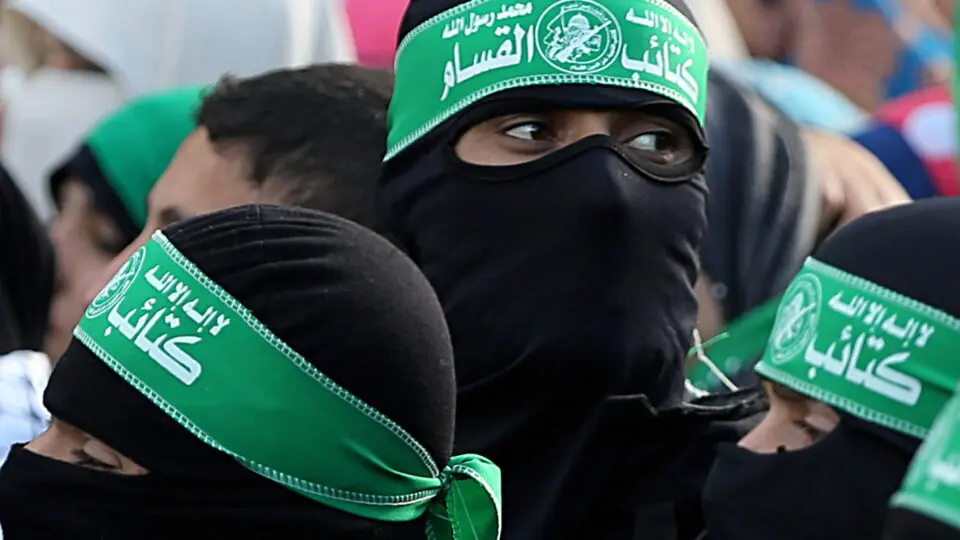
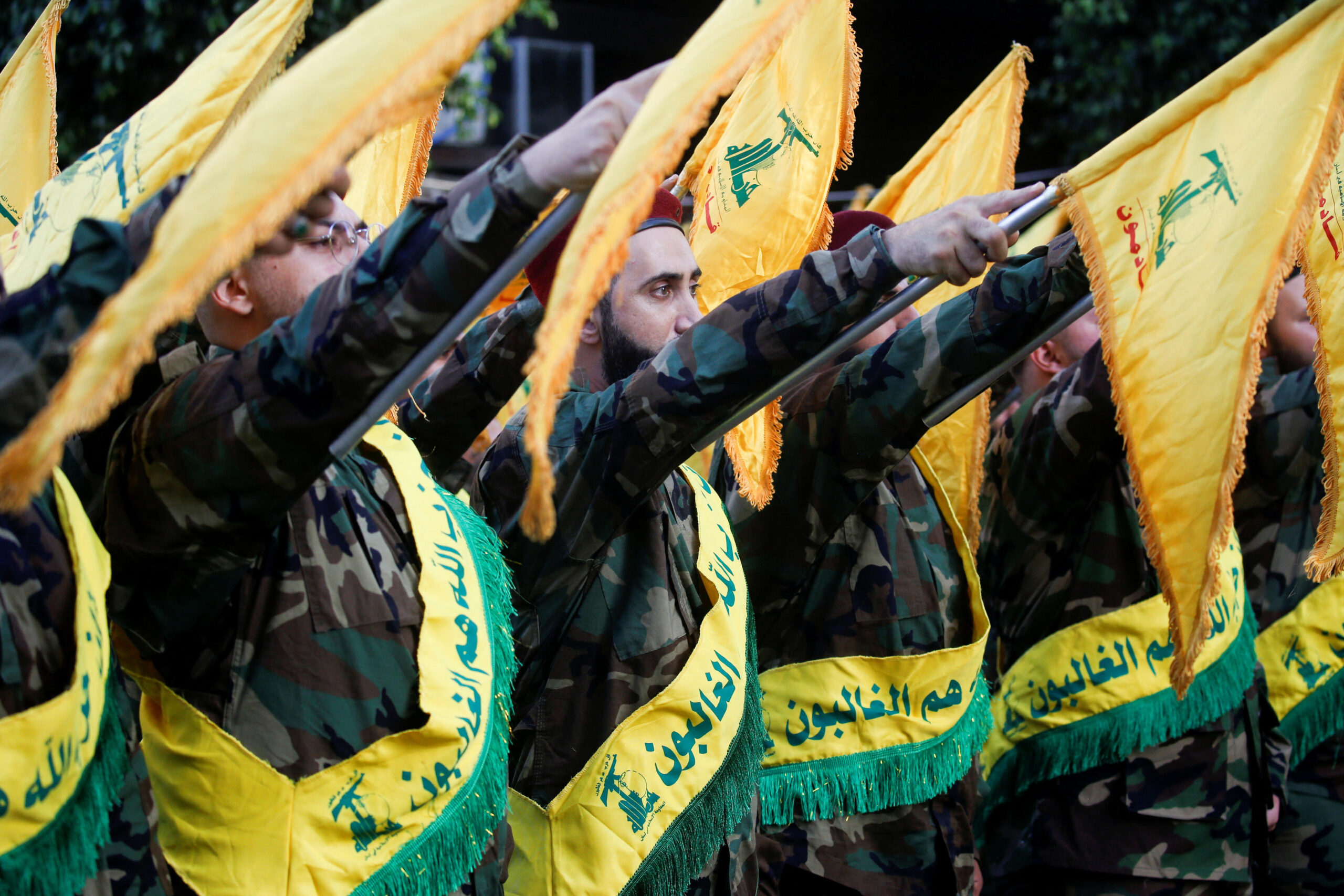
Non-state armed groups often appear where the state’s monopoly on order breaks down. In places of corruption, poverty, or occupation, these groups step into roles once held by governments, providing security, adjudicating disputes, and distributing resources. They become shadow sovereignties, exercising authority without international recognition, and they legitimize their rule by offering stability where official institutions have failed.
This localized legitimacy is the real currency of many violent networks. It is not enough to possess weapons; a group must be perceived as a source of order to win allegiance. Fear and loyalty intertwine, and the functional resemblance between ideological insurgents and profit-driven criminal enterprises becomes clear. Both embed themselves within communities, and both transform Violence into a mechanism of governance.
What the semantics predict: outcomes, policy, and the limits of state power
The words used to describe conflict can be predictive. When a state criminalizes actors, it signals that law enforcement tools will be the primary response. When it declares them terrorists, it signals that extraordinary measures and military solutions will follow. Success or failure often rewrites the record: victorious rebels can be legitimized as politicians, while those defeated are condemned as criminals or terrorists.
Globalization complicates matters further. Illicit economies and ideological movements share logistical systems such as encrypted communications, informal finance, and cross-border mobility. The modern networked era means that Violence is distributed through financial, digital, and social arteries rather than through fixed borders.
Understanding this shift requires abandoning simplistic moral binaries. Violence should be analyzed as a system: an instrument, a form of communication, and a performance of legitimacy. The labels we apply tell us as much about who holds the power to name as they do about the actors themselves. Ultimately, the semantics of Violence shape what is permissible, what is politically feasible, and what can be admitted into the order of states.
The challenge for policymakers and citizens is to see beyond moralizing labels and to address the underlying fractures that produce non-state power. Only by recognizing how Violence functions, and why the powerful choose particular words, can durable strategies be designed to restore accountable governance, rather than merely punish symptoms.
“War is merely the continuation of politics by other means.” — Carl von Clausewitz, remains a reminder that naming and violence are intertwined, and that the semantics of conflict will continue to shape the future of global order.